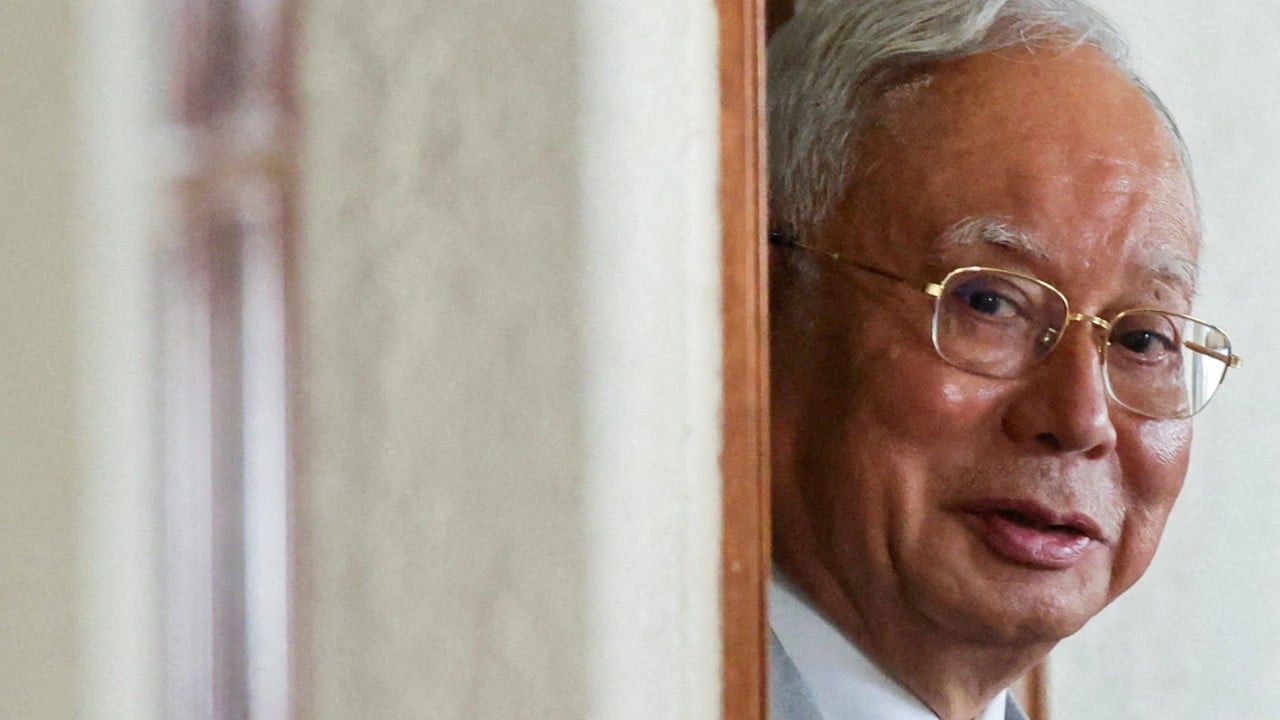
When former Malaysian Prime Minister Datuk Seri Najib Razak walked out of Kajang Prison to serve the remainder of his sentence at his Jalan Langgak Duta residence, political shockwaves rippled across Southeast Asia. People love simple narratives. They call it a get-out-of-jail-free card or a sign of systemic corruption. But the reality of Najib Razak being granted house arrest by the Pardons Board is a masterclass in constitutional mechanics, royal authority, and messy political compromises that keep fragile unity governments alive.
If you look past the partisan shouting, you find a legally binding process involving royal prerogative, steep financial conditions, and strict confinement rules that defy lazy media hot takes.
The Anatomy of the Royal Pardon and House Arrest
Let's clear up the timeline because confusion reigns online. Najib was originally sentenced in July 2020 to 12 years behind bars over the SRC International corruption scandal. That sentence got halved to six years by the Pardons Board, and his massive RM210 million fine was slashed to RM50 million.
The turning point happened when Malaysia's King, Sultan Ibrahim, granted a conditional pardon. The core requirement? Pay that hefty RM50 million fine. Once UMNO and his supporters pooled resources to settle the payment, the legal framework for his transfer to home detention clicked into motion.
Critics screamed about double standards. Yet under Malaysian law, the right to submit a pardon petition belongs to any prisoner. The Pardons Board reviews these petitions, but the final executive discretion rests entirely with the Ruler. When King Sultan Ibrahim declared the conditional pardon unambiguous and warned against public disputes, the judicial debate effectively settled.
Strict Confinement Behind Closed Doors
House arrest sounds plush. You picture cozy living rooms and unlimited freedom. Think again.
The conditions drawn up by the Home Ministry and the Pardons Board are tight. Najib is confined entirely to his Kuala Lumpur residence until his scheduled release date on August 23, 2028. He faces an absolute ban on:
- Making public media appearances
- Participating in any political activities or public gatherings
- Using telecommunications freely without monitoring compliance
- Leaving the designated property boundaries without written authorization
Prison Department officers monitor his every move. When he recently stepped out for Friday prayers under heavy police escort, it marked a rare exception, not a lifestyle perk. Step out of line or breach a single rule, and he goes straight back to Kajang Prison.
The Political Calculus for Prime Minister Anwar Ibrahim
Why didn't Prime Minister Anwar Ibrahim's administration block it? Because they couldn't, and frankly, trying to override royal decrees triggers constitutional crises nobody wants to fight.
Anwar runs a delicate unity government. UMNO remains an essential coalition partner. If Anwar had openly fought the royal pardon, his government could have collapsed overnight. At the same time, keeping UMNO happy risks alienating urban reformist voters who despise corruption and view any leniency toward Najib as a betrayal of reform promises.
It is a classic political tightrope walk. Anwar has publicly stated his disagreement with certain financial moves, like UMNO paying Najib's fine, but he respects the constitutional boundaries of the monarchy.
The Catch That Keeps Him on the Hook
Here is the detail most commentators miss. This house arrest applies exclusively to the SRC International case.
It does not wipe away his legal troubles. A separate 15-year prison sentence handed down in late 2025 related to 1MDB corruption charges looms large. Legal teams are actively appealing that conviction, and the Attorney-General's filings explicitly state that Najib is scheduled to be transferred back to prison once his current house arrest term concludes, pending further rulings.
This isn't total freedom. It is a highly monitored, legally constrained chapter in an ongoing legal saga that will define Malaysian politics for years. Stop looking for simple heroes or villains here. Watch the courts, watch the upcoming electoral shifts, and recognize that constitutional monarchies operate by rules most casual observers refuse to understand.
Ex-Malaysia PM Najib returns home to begin house arrest
This video provides a concise visual overview of former Prime Minister Najib Razak returning to his Kuala Lumpur residence under tight security to begin his house arrest sentence.