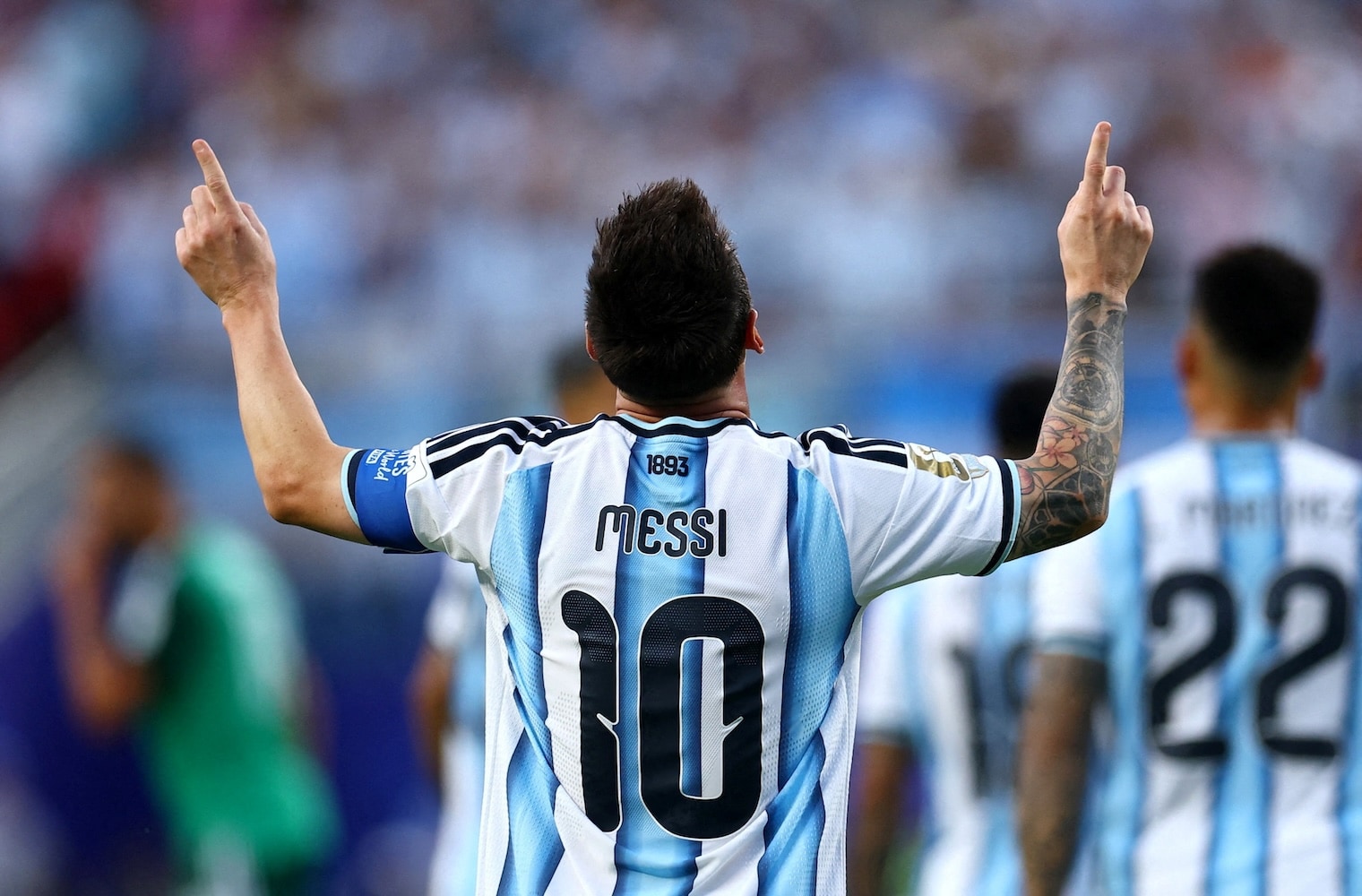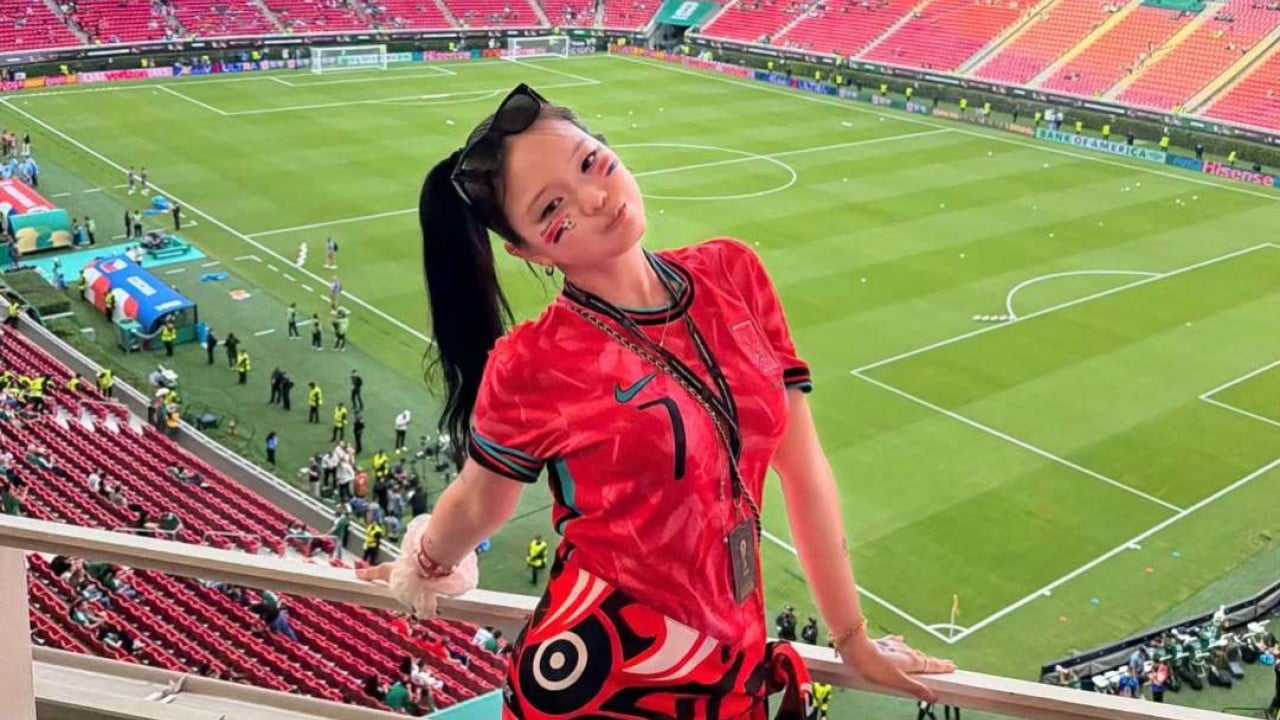
The global soccer media apparatus is lazy, predictable, and blindingly repetitive. As the final opening group stage fixtures kick off today, mainstream pundits are running the exact same script they used four, eight, and twelve years ago. They look at the names on the back of the jerseys, cross-reference the FIFA rankings, and confidently declare victory for the establishment.
It is a broken way to analyze international football. Meanwhile, you can explore other stories here: The Cabo Verde Football Myth Why Beijing Did Not Build That Historic Draw Against Spain.
If you are betting money or planning your day around the mainstream consensus for Portugal vs. DR Congo or England vs. Croatia, you are being sold a fantasy. International tournaments are not won on historical reputation or individual branding. They are won on tactical friction, age curves, and stylistic mismatch. Let us strip away the narrative and look at why the standard predictions for today's fixtures are fundamentally flawed.
The Delusion of Portugal's Easy Ride Against DR Congo
Every major preview treats Portugal's Group K opener against DR Congo in Houston as a routine training exercise. The narrative focuses on Cristiano Ronaldo's historic sixth World Cup appearance at age 41, framing this match as the opening chapter of a romantic last dance. Portugal are listed as heavy -340 favorites. The consensus says they roll. To explore the complete picture, we recommend the recent report by ESPN.
The consensus is wrong.
I have watched dozens of elite teams completely stall in opening tournament fixtures because managers refuse to make difficult structural decisions. Under Roberto Martínez, Portugal possess an astonishingly gifted midfield unit featuring Bruno Fernandes, Vitinha, and Bernardo Silva. But the tactical reality of accommodating a 41-year-old forward radically alters how a team must play.
Standard Portugal Pressing Shape:
[High Energy Midfield] ---> (No Forward Pressure) ---> [Stretched Backline]
When your central striker can no longer lead a high, sustained press or run the channels effectively, the entire pitch stretches. It forces the midfield to cover double the ground. DR Congo are not an amateur squad happy to just share the pitch with greatness. Nine of their players featured in Europe’s top five leagues this past season, anchored by Yoane Wissa out wide and a terrifyingly athletic fullback pairing in Aaron Wan-Bissaka and Arthur Masuaku.
DR Congo will deliberately cede possession, drop into a compact low block, and target the space behind Portugal's advancing fullbacks on the counter-attack. In the sweltering Texas heat, a sluggish, possession-heavy team trying to feed a static target man is a recipe for a grueling, frustrating afternoon.
- The Lazy Prediction: Portugal wins 3-0 or 4-0 in a comfortable showcase.
- The Reality: A jagged, low-scoring 1-1 or 1-0 struggle where Portugal's midfield is forced to pass sideways for 80 minutes to avoid the counter-trap.
Thomas Tuchel's England Facing the Ghost of Croatia
Over in Group L, the headline act in Dallas brings together England and Croatia. The English media is already doing what it does best: singing about "It's Coming Home" and assuming Thomas Tuchel's tactical genius will instantly translate to international dominance. England are the clear favorites at -139.
This line underestimates the single most ruthless tournament team of the modern era.
Croatia are constantly dismissed as "too old" or "nearing the end of a cycle." Pundits see a 40-year-old Luka Modrić and assume the engine room has finally run out of gas. What they miss is how Zlatko Dalić adapts. Croatia qualified for this tournament completely unbeaten. They do not rely on raw physical output; they rely on suffocating rhythm control.
| Tactical Factor | England (Tuchel) | Croatia (Dalić) |
|---|---|---|
| Pace Preference | High-tempo transition | Slow, suffocating possession |
| System Maturity | Early stage, new ideas | Mastered over a decade |
| Over-reliance | Harry Kane for goals | Systemic midfield rotation |
If England are allowed to play an open, transitional game, their superior individual athleticism will destroy Croatia. But Croatia know this. Modrić, alongside younger talents like Petar Sučić and Martin Baturina, will deliberately foul, slow down restarts, and retain the ball in non-threatening areas just to starve England's attackers of oxygen.
Furthermore, England’s squad balance is incredibly fragile. Beyond Harry Kane, the drop-off in proven international goal-scoring threat is immense. If Croatia successfully isolates Kane using a deep defensive line, England lack the dynamic secondary runners to unlock them.
The smart money isn't on an English statement win. It's on a cagey, tactical stalemate. Do not expect a repeat of the open, attacking displays we saw earlier in the week. Expect a high-stakes chess match that ends with both managers settling for a point rather than risking a catastrophic opening-day defeat.
The Real Value in the Hidden Fixtures
While everyone stares at the marquee names, the actual tactical intrigue lies in the other two matches today: Colombia vs. Uzbekistan and Ghana vs. Panama.
Colombia are entering Group K with a dangerous mix of veteran presence and younger talent, but their opponent is the real wildcard. Uzbekistan are making their World Cup debut under the guidance of Fabio Cannavaro. The mainstream perspective views debutants as automatic three-point banks for South American powerhouses.
That view ignores Cannavaro’s defensive architecture. Uzbekistan qualified on the back of an extraordinarily rigid, Italian-inspired defensive structure. Colombia traditionally struggle when forced to break down highly disciplined defensive walls that refuse to offer space for dynamic wingers like Luis Díaz to exploit.
Stop listening to pundits who only read the historical track records of national associations. International football in 2026 is defined by microscopic tactical margins, physical preparation, and structural discipline. The heavy favorites will find out the hard way that names do not win matches on the grass.