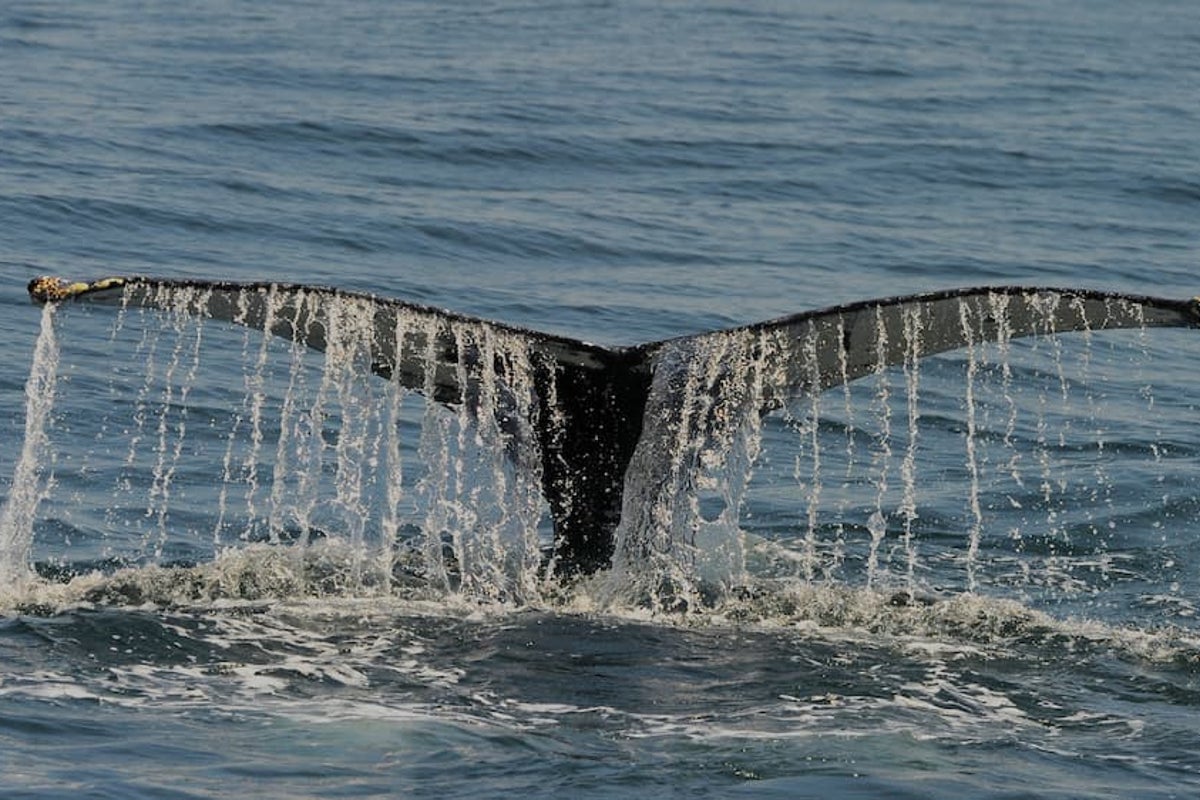
Another week, another breathless headline about tour guides unlocking the ancient secrets of the deep. This time, the internet is losing its mind over a supposed breakthrough regarding Great Barrier Reef whales. The narrative writes itself: humble boat captains stumble upon mysterious cetacean behavior that leaves PhD marine biologists scratching their heads. Not even scientists knew what it meant, the clickbait screams.
Save me the drama.
I have spent two decades tracking marine ecology funding, marine park policies, and the desperate commercial reality of eco-tourism operators fighting for survival in Queensland. When a boat skipper claims to have witnessed a behavior science missed, you are not looking at a paradigm shift in marine biology. You are looking at a marketing masterclass designed to fill empty seats on a catamaran.
Science didn't miss the behavior. Science simply watched it, categorized it, measured it, and correctly decided it wasn't worth a press release. The tour operators, however, need a hook.
The Myth of the Untouched Amateur
The romantic trope of the untrained observer outsmarting the academic establishment sells magazines and tour tickets, but it falls apart under basic scrutiny. Whale behavior along the Australian coast is some of the most heavily monitored marine data on the planet. Between aerial surveys by the TropWATER team at James Cook University, passive acoustic monitoring arrays tracking vocalizations year-round, and satellite tagging programs run by the Commonwealth Scientific and Industrial Research Organisation, humpback and dwarf minke populations live under a microscope.
When a tour guide claims a specific breaching pattern, bubble-net variation, or social rubbing ritual is a brand-new phenomenon, they are usually suffering from a fundamental lack of baseline historical knowledge. They are seeing something for the first time in their three-season career and assuming human history started the day they earned their skipper's ticket.
Marine biology is built on long-term data sets, not anecdotal snapshots from someone trying to justify a four-hundred-dollar day trip.
What the Guides Actually Found
Stripping away the PR gloss, what do these sensationalized whale encounters actually represent? Usually, they document behavioral plasticity. Cetaceans are hyper-intelligent, highly adaptable mammals. As water temperatures shift, shipping lanes crowd, and krill densities fluctuate due to localized oceanographic upwellings, whales adjust their feeding, socializing, and migrating tactics.
They improvise. They change their resting spots. They rub against different reef structures or modify their pod dynamics to deal with acoustic interference from commercial vessels.
To a marine ecologist, this is expected adaptation. To a tour operator with a quota to hit, it is an ancient secret begging to be monetized.
Imagine a scenario where a human visits a foreign city every single year for a decade, notices the locals taking a new shortcut through a park because construction closed the main street, and runs to the local newspaper claiming to have discovered a secret human ritual. That is the exact intellectual rigor behind these viral whale stories.
The Real Threat to Reef Whales
While the public consumes fairy tales about mystic tour guides decoding whale dialects, actual threats to the Great Barrier Reef's cetacean populations are quietly compounding. And they have nothing to do with hidden behaviors.
Acoustic Masking
Commercial shipping traffic, seismic testing for resource exploration, and high-speed tourism vessels create a wall of underwater noise. This noise pollution shreds the communication channels mothers use to keep track of calves. You do not need a new behavioral discovery to understand that deafening whales with boat engines is a bad idea.
Prey Distribution Shifts
Warming Coral Sea temperatures alter the southward migration corridors and the Antarctic feeding grounds. When krill populations shift due to minor current anomalies, whales expend catastrophic amounts of energy searching for reliable caloric intake. Starving animals do strange things. They enter shallow bays they normally avoid, they strand more frequently, and they display erratic surface behaviors that amateurs misinterpret as mysterious communication.
Vessel Strike Velocity
Despite strict approach regulations enforced by the Great Barrier Reef Marine Park Authority, fast-moving leisure craft and whale-watching boats routinely cross paths with nursing pods. The physics of a high-speed hull collision with a forty-ton humpback are brutal. No amount of magical tour guide intuition will save a calf from a fiberglass bow traveling at twenty knots.
Stop Buying the Mysticism
We love treating nature as an ancient, cryptic puzzle box because it lets us play the role of the humble explorer. It strips away the uncomfortable truth that we are actively modifying these ecosystems in real time. Blaming ecological shifts on a mysterious whale language we just cracked is a comforting distraction from the fact that our carbon output and marine management policies are steering the ship toward the rocks.
Next time you see a headline about a boat captain outsmarting marine science, check who funded the boat trip, who wrote the press release, and what tour company is mentioned in the final paragraph.
The whales aren't sending us cryptic messages. They are just trying to survive the noise we built around them.