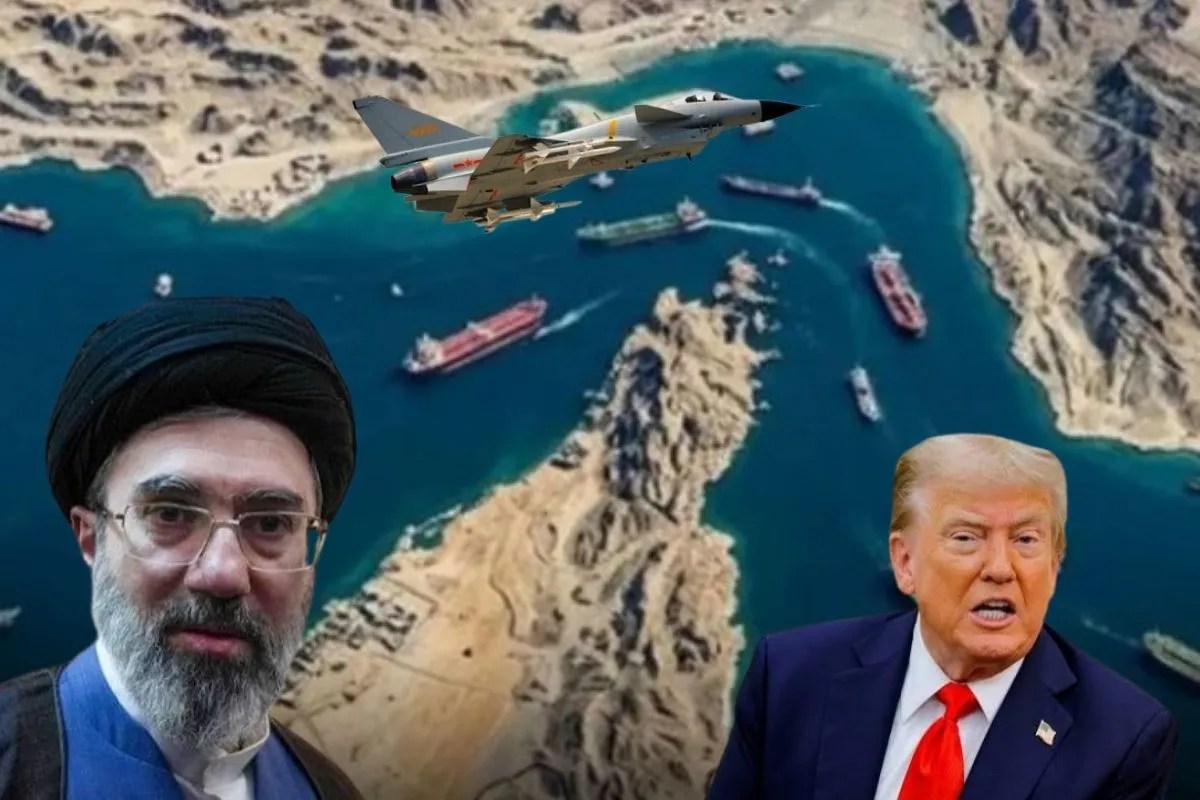
The media narrative surrounding Iran keeping the Strait of Hormuz locked down until its sweeping list of demands is met relies on a lazy, recycled script. Headlines shriek about skyrocketing crude prices, panic in Western capitals, and Tehran holding global energy hostage with a set of maximum-pressure conditions.
It is a comfortable fiction. It paints a clean picture of a rogue state clutching a choke point while the civilized world scrambles for a diplomatic off-ramp.
The reality is far more uncomfortable. The closure of Hormuz is not a temporary extortion plot waiting for a diplomatic signature. It is the permanent baseline of a fractured global order.
The Consensus Fallacy
Standard reporting treats the Strait as a valve that can simply be turned back on the moment Washington or Tehran blinks. Analysts parse Mohammad Bagher Zolghadr’s demands—complete sanctions relief, massive reparations, permanent regional ceasefires, and the unfreezing of assets—and classify them as "unrealistic negotiating positions."
That analysis assumes both sides still operate inside a framework where commerce trumps conflict. They do not.
I have watched companies burn millions chasing stability assumptions in volatile corridors, treating geopolitical fault lines like temporary weather delays. When you look at the actual vessel traffic data from firms like Kpler, the numbers do not point toward a delayed reopening; they point toward a permanent structural bifurcation. Daily transits have cratered from pre-conflict norms of roughly 138 vessels down to a fractured trickle.
Tehran is not using the closure to bargain for a better deal. They are using it because the old architecture of international maritime law has already collapsed under the weight of sustained naval blockades and mutual kinetic strikes.
Defining the Choke Point Fallacy
Let us clear up the core misconception defining energy commentary today. A choke point only functions as a choke point when all parties recognize the sovereignty and security rules governing the lane.
The moment the United States implements a dynamic naval blockade and redirects dozens of commercial carriers, and Iran responds by shutting the water column entirely, the legal fiction of innocent passage evaporates.
When officials talk about technical arrangements with Oman for alternative shipping lanes, mainstream commentators treat it as a stepping stone to a full reopening. Foreign Minister Abbas Araghchi explicitly noted that technical maritime arrangements with Muscat do not equal opening the strait to general traffic. Yet, markets and media outlets consistently misinterpret localized logistics adjustments as broad de-escalation.
Stop looking at this as a standoff. Look at it as a divorce.
The Unspoken Cost of Total Control
Washington insists it maintains total control via a naval "wall of steel", while Tehran insists the waterway stays shut until its five-point or six-point demands are entirely satisfied. Both claims miss the structural reality on the water.
Imagine a scenario where the US Navy successfully forces passage for every flagged tanker in the registry. Even if you escort every single vessel through at gunpoint, insurance premiums do not reset. Shipping companies do not operate in a vacuum of military bravado. Underwriters are pricing in permanent risk.
The downside of this contrarian thesis is stark: accepting that Hormuz is fundamentally altered means abandoning the 20th-century model of cheap, frictionless Persian Gulf transit. Energy security strategies built on the promise of a quick return to normal are obsolete.
The Actionable Truth
If you are running supply chains, trading commodities, or hedging macroeconomic exposure based on the assumption that a grand bargain will drop oil prices back to pre-conflict baselines, you are planning for a world that no longer exists.
Stop waiting for the diplomatic breakthrough. Diversification is no longer a corporate buzzword for an annual report; it is an immediate survival mechanism. Capital must pivot toward domestic extraction, non-Gulf export routes, and regional redundancies that do not depend on the goodwill of a contested marine ditch.
The strait is closed because the era of cheap security is over. Act accordingly.