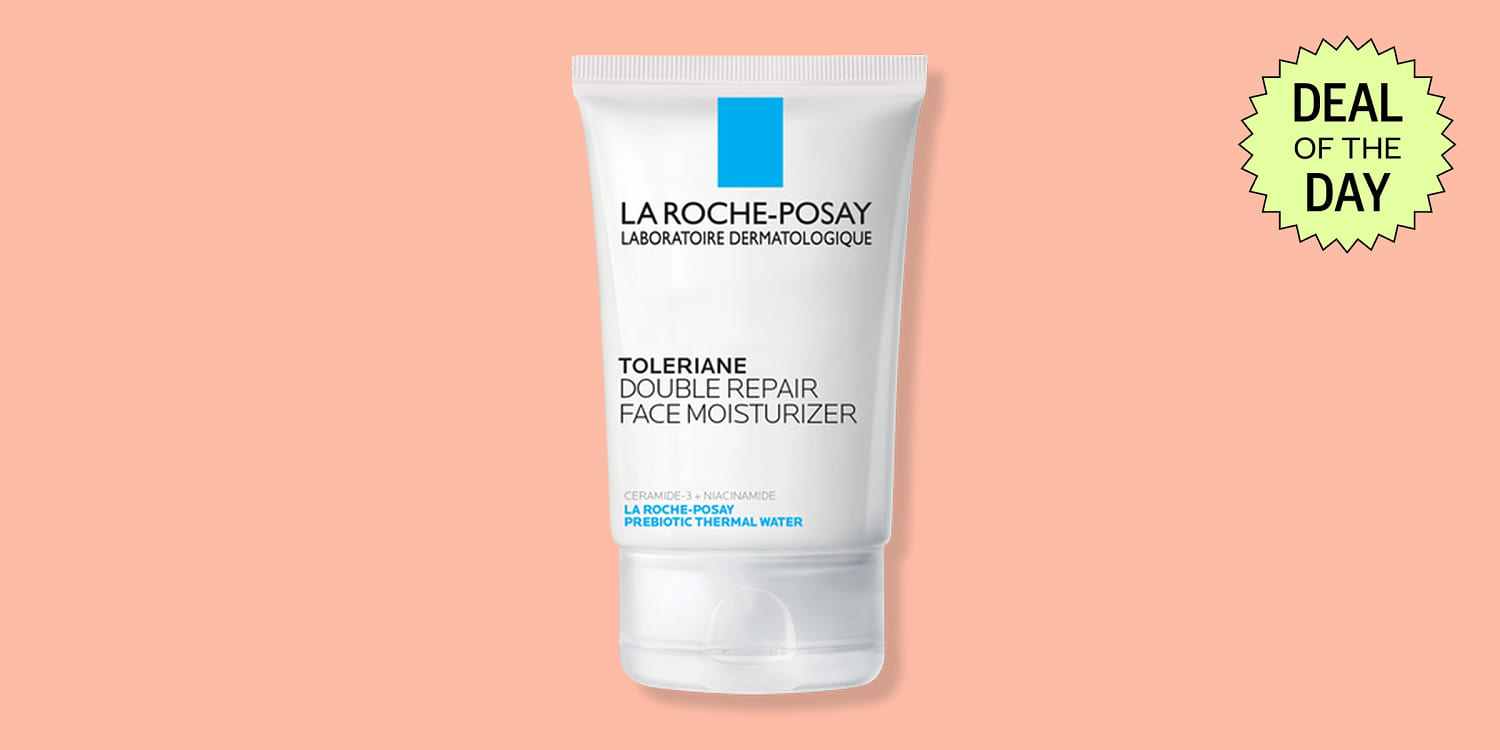
Skincare purchasing behavior is largely driven by perceived authority, emotional branding, and heuristic decision-making rather than intrinsic formulation costs. When a high-volume consumer product experiences a price compression event—such as dropping below a twenty-dollar threshold—it triggers a predictable shift in consumer acquisition velocity. Understanding why certain topical formulations can sustain profitability at low price points while others command luxury multiples requires dissecting the underlying cost structure of cosmetic manufacturing, supply chain logistics, and marketing overhead.
The commercial lifecycle of a mass-market topical emulsion is governed by three primary economic variables: ingredient input costs, packaging and distribution overhead, and customer acquisition costs. Most consumers operate under the assumption that retail pricing scales linearly with ingredient efficacy. Empirical analysis of formulation chemistry reveals a different reality. The active compounds driving primary performance metrics—such as humectants like glycerin, occlusisves like petrolatum, or barrier-repair lipids like ceramides—frequently represent a single-digit percentage of the total unit cost of goods sold. The majority of production expenditure is tied to stability testing, regulatory compliance, preservative system optimization, and commercial packaging.
When a retail brand positions a formulation below twenty dollars, it leverages economies of scale in raw material procurement and high-speed contract manufacturing. High-volume production lines reduce per-unit overhead significantly. Premium brands, by contrast, absorb lower production volumes and allocate substantial capital toward lifestyle marketing, artistic container design, and exclusive retail placement fees. Consequently, a price drop on a mass-market product does not necessarily signal a compromised formulation; rather, it reflects a deliberate volume-maximization strategy where gross margin per unit is traded for accelerated inventory turnover and broader market penetration.
Evaluating the structural value of a moisturizer requires moving beyond marketing nomenclature and examining the functional mechanisms of skin barrier support. A competent daily hydrator performs two core operations: preventing transepidermal water loss through occlusive and barrier-mimetic lipids, and binding water within the stratum corneum via humectants. When these structural components are combined in a stable emulsion, the functional output is identical regardless of whether the product bears a prestige label or a mass-market price tag. The primary divergence lies in sensory profile optimization—such as spreadability, absorption speed, and fragrance masking—which are engineered to enhance consumer compliance rather than biological efficacy.
The financial incentive for temporary promotional pricing is rooted in customer lifetime value calculations. Acquiring a consumer at a discounted entry price establishes a recurring consumption loop. Because topicals are consumable goods with finite lifespans, lowering the initial barrier to entry shortens the payback period for marketing expenditure. This creates a predictable replenishment cycle where subsequent purchases occur at standard retail margins.
Navigating the cosmetic marketplace effectively requires decoupling price from performance. By analyzing formulations through the lens of active concentration, barrier compatibility, and cost-per-ounce efficiency, buyers can isolate functional efficacy from branding expenditure.
Implement a formulation-first audit for daily topicals by prioritizing concentration transparency of core lipid and humectant matrices over proprietary marketing blends, ensuring optimal cost efficiency per milliliter of active barrier support.