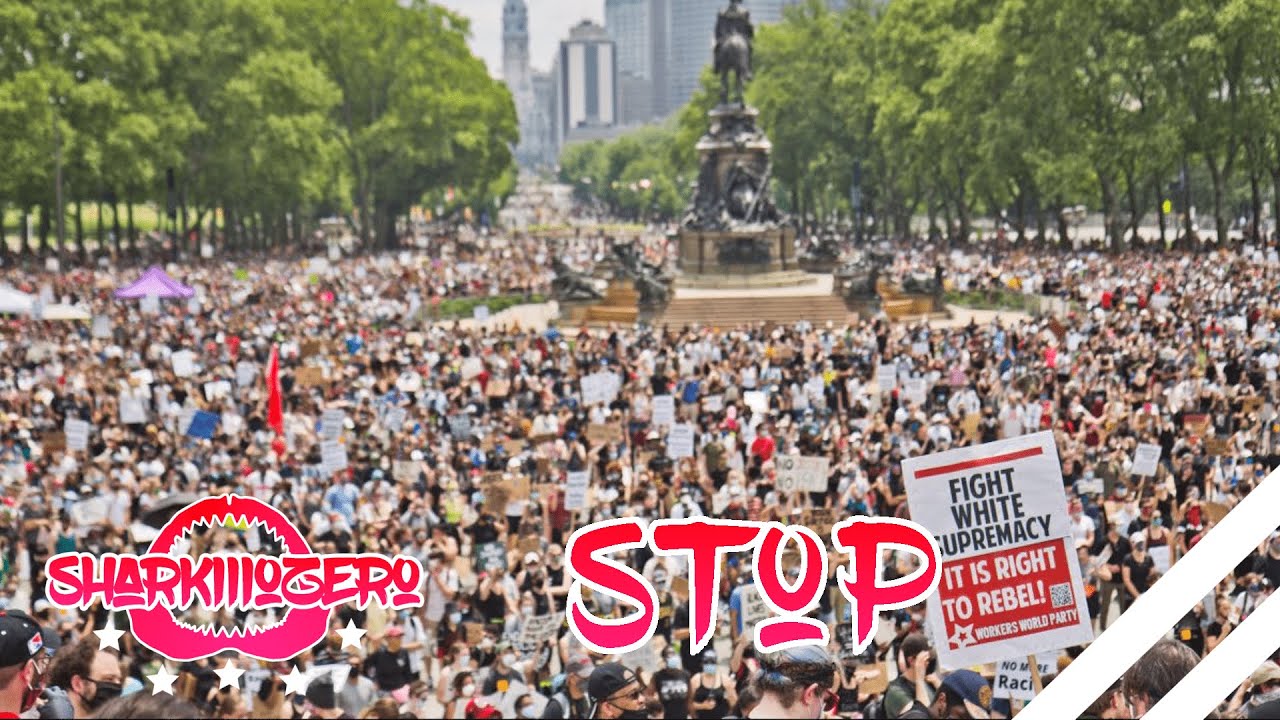
The lights are up and the stage is set, but the mood in the wings is anything but celebratory. As the first semi-final of the 2026 Eurovision Song Contest approaches, the European Broadcasting Union (EBU) finds itself trapped in a geopolitical pincer movement that threatens the very existence of the world’s largest live music event. This year, the contest is not merely a competition of pop songs; it is a battleground for international law, corporate sponsorship, and the increasingly fragile concept of "non-political" art. The boycott movement targeting Israel’s participation has reached a fever pitch, moving from social media hashtags to high-level diplomatic friction and massive logistical headaches for the host city.
The Myth of the Neutral Stage
For decades, the EBU has clung to the idea that Eurovision is a strictly non-political event. It is a polite fiction. In reality, the contest has always been a mirror of European tensions, from the Cold War voting blocks to the explicit bans on entries containing political subtext. However, the 2026 edition has shattered the illusion of neutrality beyond repair. By allowing Israel to compete amid ongoing international outcry, the EBU has triggered a cascade of withdrawals and protests that have drained the event of its traditional glitter.
The EBU’s defense rests on the premise that it is a competition between public broadcasters, not governments. This distinction, while legally sound in a boardroom, fails to hold up in the court of public opinion. When Russia was excluded following the invasion of Ukraine, a precedent was set. Critics now argue that the EBU’s refusal to apply similar standards to Israel creates a double standard that undermines the organization’s credibility. The "non-political" shield has become a lightning rod, drawing more fire than it deflects.
Security Budgets and the Shrinking Host City
Hosting Eurovision was once a coveted prize, a chance for a city to showcase its culture and boost its tourism economy. In 2026, it feels more like a liability. The security requirements for this year’s contest have ballooned to levels usually reserved for G7 summits or the Olympic Games. Local law enforcement agencies are stretched thin, managing daily protests, counter-protests, and the constant threat of disruption to the live broadcasts.
This financial burden is rarely discussed in the official press releases. While the EBU provides a portion of the funding, the lion's share of security costs falls on the local taxpayer. When a city agrees to host, they sign a contract that includes "ironclad" safety guarantees. With several high-profile artists threatening to pull out at the eleventh hour and activists calling for a total blockade of the venue, the return on investment for the host city is looking increasingly grim. We are seeing a shift where middle-tier European cities may soon find the contest too toxic and expensive to touch.
The Artist’s Dilemma and the Rise of the Alternative Stage
The performers themselves are caught in an impossible position. For most, Eurovision is the pinnacle of their career, a chance to reach 160 million viewers. Yet, in 2026, that platform comes with a heavy social cost. Artists have reported unprecedented levels of harassment, not just from the public, but from within the industry. To perform is to be accused of complicity; to boycott is to burn bridges with national broadcasters and lose a once-in-a-lifetime opportunity.
The Power of the "Shadow" Contest
We are seeing the emergence of an "alternative" Eurovision circuit. Disgruntled fan groups and activist organizations have organized digital streaming events and concerts that run parallel to the official EBU schedule. These events feature artists who declined their national invitations or those who were disqualified for political messaging. This isn't just a fringe movement anymore; it is a sophisticated counter-programming effort that is successfully siphoning off younger viewers who find the official contest out of touch with their values.
Corporate Sponsors in the Crosshairs
It isn't just the broadcasters feeling the heat. Long-term commercial partners are finding their logos splashed across boycott posters. Marketing executives at major consumer brands—the lifeblood of the contest’s budget—are reportedly reassessing their associations. When a brand pays for a "family-friendly" global reach, they don't expect to be linked to a polarizing international conflict. If the EBU cannot find a way to stabilize the brand, the financial foundation of the contest could crumble within the next few years.
The Broken Voting System and the Jury Problem
Beyond the protests, the 2026 edition is grappling with an internal crisis of legitimacy regarding how the winner is actually chosen. The reintroduction of heavy jury weighting was intended to prevent "troll" entries and block voting, but it has instead created a disconnect between the professional music industry and the public. In a year where public sentiment is so highly charged, a jury decision that contradicts a massive televote could be the final straw for the audience’s trust.
The data suggests that the "Rest of the World" vote, introduced to expand the contest’s global footprint, has become a wild card that the EBU can no longer control. In a highly polarized environment, this vote is often used as a tool for digital activism rather than musical appreciation. The EBU’s attempt to democratize the contest has inadvertently made it more susceptible to organized online campaigns that have nothing to do with the quality of the song.
The EBU’s Governing Crisis
Behind the scenes, the EBU is a house divided. National broadcasters from Northern Europe and the Baltics have been vocal about their discomfort with the current direction, while others insist on a strict adherence to the status quo. This internal friction is slowing down decision-making at a time when the organization needs to be agile. The lack of a clear, consistent policy on what constitutes a "political" act has led to a series of contradictory rulings that have left fans and delegations baffled.
The 2026 contest is the moment where the "music first" mantra finally died. You cannot gather forty nations in a room and expect the outside world to stay at the door. The EBU’s insistence on a vacuum has only created a more intense pressure cooker.
The Death of the Pop Bubble
For years, Eurovision was a safe space for camp, kitsch, and catchy choruses. That bubble has burst. The 2026 contest is being forced to grow up, but it is doing so kicking and screaming. The fans who used to spend months debating costume choices and key changes are now debating international law and the ethics of cultural diplomacy. This shift is permanent.
If the EBU wants the contest to survive until 2030, it has to stop pretending it is just a song contest. It is a massive geopolitical entity that requires a level of diplomatic expertise it currently lacks. The organizers need to move away from reactive crisis management and toward a proactive framework that acknowledges the realities of the modern world. They must define, once and for all, where the line between culture and politics sits, and they must be prepared to defend that line with more than just platitudes.
The true test will not be the ratings of the final, but the state of the organization the morning after. If the 2026 edition ends in a flurry of stage invasions, technical glitches caused by protests, or a winner whose victory is marred by boos, the Eurovision brand may be irreparably damaged. The EBU is betting that the music will be loud enough to drown out the noise from the streets. It is a high-stakes gamble that ignores the fact that, for many viewers, the noise is now the main event.
The era of the purely escapist Eurovision is over. Whether the contest can reinvent itself as a platform that can handle the weight of the world remains to be seen, but the 2026 edition will be remembered as the year the music almost stopped. The organizers should stop looking at the stage and start looking at the exit signs.