You can't just throw a Molotov cocktail at a drone factory and expect a diplomatic slap on the wrist anymore. Estonia just drew a hard line in the dirt.
When intelligence officers foiled an arson plot at Threod Systems near Tallinn, they didn't just arrest a handful of suspects. They made a geopolitical decision that will shut down every single border crossing between Estonia and Russia starting December 1. If you think this is just local border friction, you're missing the entire point of what's happening right now across Europe.
Inside the Foiled Threod Systems Attack
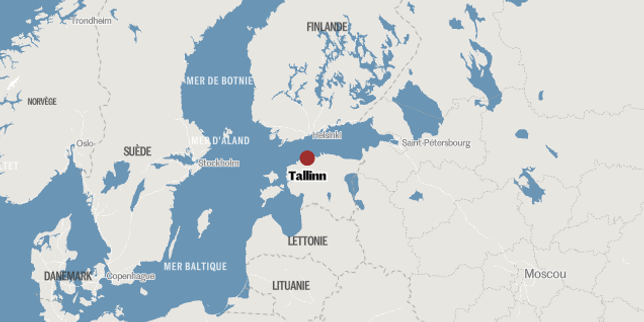
Let's look at what actually went down in the dark hours of Saturday morning. Around 3 a.m. in Viimsi, just north of Tallinn, a group of individuals tried to breach Threod Systems. Their mission was simple and destructive: smash the windows, spread flammable liquids, and trigger an explosion that would wipe out production capabilities.
Threod isn't a random gadget shop. They build high-end reconnaissance and long-range attack drones, many of which find their way to Ukraine to guide artillery and map frontlines.
The attack failed. Better security upgrades and a blindingly fast response from law enforcement stopped the fire before it caught. Police detained eight individuals connected to the operation, most of them residing in neighboring Latvia. Estonian authorities wasted zero time pointing the finger straight at Moscow, specifically blaming Russia’s military intelligence agency, the GRU.
The Broader Shadow War Across Europe
This wasn't an isolated incident. Estonia has seen this movie before. Back in August, a facility belonging to another defense tech firm, Milrem Robotics, was targeted in a similar arson attempt. Tallinn's security services say Russian handlers are recruiting local proxies through sketchy online job offers to carry out sabotage tasks for quick cash.
And it stretches far beyond Estonia's borders. Look at the last few months across Europe:
- Starlink ground stations and hardware in Poland, Lithuania, and Bulgaria have faced arson attacks designed to cut off vital communications.
- Airports, shipping lanes, and critical infrastructure are constantly jittery.
- Intelligence agencies in multiple NATO countries are tracking a spike in hybrid warfare tactics meant to break domestic morale and stall military aid to Ukraine.
The Kremlin's strategy has shifted. Instead of just fighting on a physical front line, they are outsourcing low-cost arson and sabotage deep inside European territory. They want to create chaos, sow fear, and distract allies from keeping up the pressure.
Why Closing the Border Is a Massive Statement
Estonian Prime Minister Kristen Michal didn't mince words. He called it what it is: a direct piece of Russia's hybrid war against Europe. By cutting off all road border crossings with Russia, Estonia is inflicting immediate economic and logistical pain on its neighbor while signaling that security threats carry an instant price tag.
Foreign Minister Margus Tsahkna doubled down, warning anyone tempted by online Russian sabotage contracts that the consequences are severe and absolute. Meanwhile, Moscow's official response followed the usual script, with foreign ministry spokespeople dismissing the moves as unbridled hostility and standard-issue rhetoric.
Europe is waking up to a reality where the front line isn't just a trench in Eastern Europe. It's inside industrial parks, tech startups, and manufacturing hubs on the Baltic coast. When a government responds to an attempted warehouse fire by sealing an entire international border, the rules of engagement have officially changed.