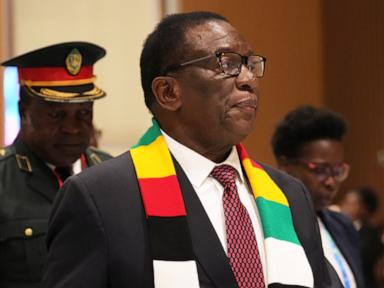
Emmerson Mnangagwa isn't going anywhere. If you thought Zimbabwe's 83-year-old president would quietly pack his bags when his final term wrapped up in 2028, you miscalculated how the ruling ZANU-PF party operates.
On July 7, 2026, Mnangagwa officially signed the Constitutional Amendment (No. 3) Act into law. This isn't just minor bureaucratic tinkering. It's a massive political restructuring that systematically rewrites how power functions in Zimbabwe. By extending presidential terms from five to seven years, Mnangagwa legally secured two more years in office, pushing his departure date out to 2030.
But honestly, focusing only on his age or the extra two years completely misses the real story here. The truly radical change isn't the timeline. It's the total elimination of your right to vote for the president altogether.
The Death of the Presidential Ballot
For nearly four decades, Zimbabweans expected to walk into a voting booth and directly choose their head of state. This law permanently ends that practice. From now on, citizens will only vote for members of parliament, and those lawmakers will select the president behind closed doors.
Supporters claim this shift brings stability and prevents the chaotic, polarized campaign cycles that historically plagued the country. They argue it allows the government to focus on long-term economic development without the constant distraction of a national popular election.
Critics and legal scholars see it very differently. They view it as a calculated, bloodless coup against the 2013 constitution. By removing the public from the equation, ZANU-PF effectively insulates the presidency from the unpredictable will of the voters. If the party dominates parliament, they dominate the executive branch indefinitely, turning public elections into a secondary concern.
Dismantling Democratic Safeguards
The strategy here is incredibly smart if you want to keep power without technically breaking the law. ZANU-PF didn't abolish term limits. Mnangagwa is still legally restricted to two terms. They simply expanded what a "term" means. Going from five years to seven means he stays in office longer without technically violating the two-term rule.
This maneuver allowed the party to pass the amendment directly through parliament—where they hold a commanding majority—instead of risking a risky public referendum. Human rights lawyers argue that altering the core structure of the presidency requires a direct vote from the citizens. The Constitutional Court already dismissed early legal challenges, leaving the opposition with very few options.
Beyond the presidency, the law restructures several key areas of Zimbabwean governance:
- Judicial Independence: The amendment removes the requirement for public interviews when appointing senior judges, giving the executive far more influence over who sits on the bench.
- Electoral Oversight: Control over voter registration shifts away from the independent Zimbabwe Electoral Commission and goes directly to the government's Registrar-General.
- Legislative Expansion: The Senate expands from 80 to 90 members, opening up more seats for direct presidential appointments to secure legislative loyalty.
What Happens to the Opposition
Zimbabwe’s political opposition is currently fractured, weak, and largely unable to stop this legislative steamroller. Years of state crackdowns, internal division, and disputed election results have left activists exhausted and disorganized. Local civil society groups tried to organize protests against the bill, but heavy police presence and threats of violence kept public resistance minimal.
With direct presidential voting gone, the traditional strategy of rallying the country around a single opposition figurehead is completely dead. If an opposition party ever wants to win the presidency, they have to win a massive, overwhelming majority of individual parliamentary seats across rural strongholds. That is a nearly impossible task given how voting districts are currently drawn.
Immediate Reality Checklist
If you are tracking international politics or looking at investments in southern Africa, stop waiting for a major political transition in Harare anytime soon.
Expect the government to use this newly codified timeline to lock down long-term mining contracts and international trade deals under the banner of "policy continuity". Don't waste time planning for a 2028 election cycle; start adjusting your political risk models for a guaranteed ZANU-PF status quo through at least 2030. Watch the upcoming parliamentary appointments closely, because the battle for who succeeds Mnangagwa will now happen entirely within the walls of parliament, completely out of the hands of the public.
You can watch an analytical breakdown of how parliament passed these changes in this News Central TV Africa broadcast on Zimbabwe's constitutional changes, which explains the legislative process behind the seven-year term extensions.