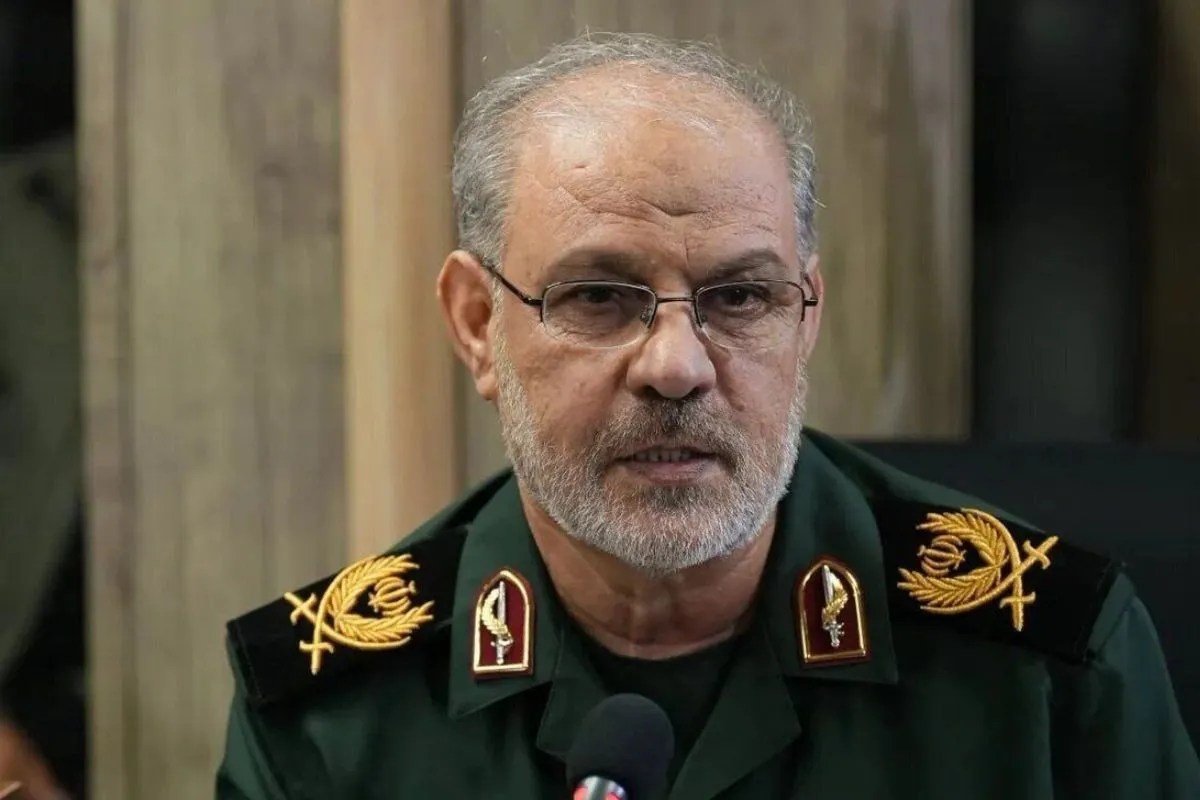
The ground beneath leadership structures in Gaza shifted once again when an Israeli airstrike targeted and killed Izz al-Din al-Bik, the commander of Hamas's Northern Gaza Brigade. Operations of this magnitude don't happen in a vacuum. They signal a persistent, calculated campaign by the Israel Defense Forces (IDF) and Shin Bet to dismantle remaining military networks piece by piece. If you've been following the trajectory of the ongoing conflict, you know that the elimination of high-ranking brigade commanders changes tactical equations overnight.
Let's look at what actually happened during the September 2026 strike in Gaza City's Nassr neighborhood and why this specific target matters so much to military analysts.
Why Izz al Din al Bik Was a High-Value Target
Al-Bik wasn't just another fighter on the ground. As the head of Hamas's armed wing in the northern sector of the Gaza Strip, he sat squarely at the intersection of operational planning and tactical execution. According to joint statements released by Israeli military officials, al-Bik was actively orchestrating attacks against IDF troops and supervising the regeneration of militant infrastructure in areas Israel had previously swept through.
Why The Elimination of Izz al-Din al-Abed Changes Everything Right Now
news
category
Another day, another high-ranking militant gone. But the strike that targeted Izz al-Din al-Abed isn't just another routine headline to scroll past on your phone. It marks a sharp, aggressive shift in how modern targeted operations are executed. When Israeli air strikes zeroed in on senior Hamas commander Izz al-Din al-Abed, military analysts immediately recognized the strategic weight behind the timing and execution. You need to look past the breaking news alerts to understand why this specific elimination alters the entire regional board.
The Reality of Precision Strikes Today
Warfare has evolved past massive troop movements and prolonged ground sieges. It runs on data, real-time intelligence feeds, and split-second aerial execution.
When a commander like Izz al-Din al-Abed gets targeted, intelligence agencies don't just guess locations. They track digital footprints, communication relays, and daily movement patterns for months.
- Signals intelligence catches a single unsecure transmission.
- Human assets confirm the exact room layout.
- Air assets strike before the target even realizes the perimeter is breached.
This isn't random violence. It is systematic surgical dismantling. The operational tempo proves that security forces possess unprecedented situational awareness inside active conflict zones.
What Most People Get Wrong About Command Structures
People assume that taking out a senior leader collapses an entire organization overnight. It doesn't.
Hamas, Hezbollah, and similar militant networks operate on deep redundancy. For every commander killed, a deputy stands ready to step into the vacuum. Does that make these strikes useless? Absolutely not.
Think of it like removing the quarterback mid-game. The backup knows the playbook, but the chemistry changes. Execution stumbles. Communications lag. Trust fractures within the ranks because paranoia spreads fast. When leaders keep vanishing in precise air strikes, everyone starts wondering who leaked the coordinates.
Security experts often point out that institutional knowledge takes years to build. A replacement can fill a title, but they can't instantly replicate years of operational networking and underground resource management.
The Immediate Strategic Fallout
The death of Izz al-Din al-Abed triggers immediate defensive postures across multiple fronts.
- Cell Isolation: Regional cells go completely dark, cutting off command communication to avoid detection.
- Retaliatory Posture: Lower-level commanders try to prove their loyalty by launching rapid, uncoordinated rocket barrages or retaliatory plots.
- Intelligence Scramble: The organization launches internal witch hunts to find moles, paralyzing administrative tasks.
You have to watch how the rhetoric shifts in the hours following confirmation. Official statements turn defiant, while underground channels panic.
Tracking the Real Impact Moving Forward
Don't wait for mainstream media summaries to figure out what happens next. Watch the border movements. Watch the shifts in diplomatic backchannels. Every time a senior figure like Izz al-Din al-Abed drops off the map, the timeline for potential ceasefire talks or major escalations gets entirely rewritten.
The strategy is clear. Security forces will keep hunting high-value targets until the command chain shatters beyond repair. The fallout from this strike will dictate military maneuvers for weeks. Keep your eyes on the operational shifts, not just the casualty counts.