Markets live in denial until the weather breaks. For decades, Wall Street traders and agricultural conglomerates have treated El Niño as a seasonal nuisance, a temporary blip on Bloomberg terminals that temporarily spikes the price of sugar or cocoa before reverting to a comfortable mean. That complacency is dying. The climate phenomenon is no longer just shifting rainfall patterns; it is actively weaponizing global supply chains. When ocean temperatures in the central and eastern tropical Pacific rise, the financial fallout does not respect borders. It cascades down through futures contracts, processing plants, grocery store aisles, and national treasuries with brutal efficiency.
The core mechanism is ruthlessly simple yet entirely unmanageable for modern logistics. El Niño rewrites the hydrological cycle. It starves key agricultural belts in Southeast Asia and Australia of monsoon rains while dumping catastrophic floods across parts of South America. Yet, financial analysts routinely underestimate the velocity of transmission. They model crop losses using linear equations while commodity markets operate on exponential panic.
The Anatomy of a Supply Chain Fracture
Consider the journey of soft commodities like coffee, palm oil, and wheat. When dry spells scorch the plantations of Sumatra or the interior of Brazil, the initial market reaction is often muted. Traders watch old inventories drain, assuming buffer stocks will absorb the blow. This is a fatal miscalculation. Buffer stocks are historically low. Just-in-time manufacturing principles have stripped redundancy out of the global pantry.
When a major producing nation sneezes, the world catches a financial cold because there is no warehouse full of surplus grain waiting to backstop the shortfall. For instance, imagine a major Southeast Asian palm oil exporter facing a six-month precipitation deficit. Yields drop by twenty percent. Refineries in Europe and India immediately face feedstock shortages. They do not slowly lower production; they aggressively bid up alternative vegetable oils like soybean and sunflower oil, triggering a simultaneous price explosion across four entirely different agricultural sectors.
Price transmission happens at lightning speed. Within weeks, the cost of processed foods, livestock feed, and industrial lubricants moves upward. Central banks look at the resulting headline inflation numbers and scratch their heads, misdiagnosing a physical supply collapse as an excess demand problem. Raising interest rates will not make it rain over the Mekong basin. Monetary policy is entirely powerless against a scorched soybean pod.
Historical Precedents and Modern Vulnerabilities
We have seen this movie before, but the theater is much more crowded now. During the severe El Niño event of 1997 and 1998, global commodity prices experienced wild oscillations. Fires choked Indonesia, destroying vast swaths of timber and agricultural land, while droughts crippled grain yields in the Americas. At the time, global trade was less interconnected, and emerging market demand was a fraction of what it is today.
Today, the stakes are magnified by staggering geopolitical fragility. China is the world's largest importer of agricultural commodities. Any disruption to its supply lines triggers aggressive state-level stockpiling. When Beijing steps into the global market to secure emergency grain reserves, it sucks the liquidity out of international trade channels. Smaller import-dependent nations, particularly across North Africa and the Middle East, get priced out entirely.
Bread riots do not start in meteorological departments. They start when the cost of imported wheat crosses a threshold that sovereign budgets can no longer subsidize. Food security is national security. Yet, risk management models at major financial institutions still treat weather anomalies as exogenous tail risks rather than recurring structural threats.
The Financialization of Weather Risk
Wall Street has tried to financialize this volatility through weather derivatives, insurance products, and complex futures spreads. These instruments work well on paper. In practice, they often amplify systemic stress. When agricultural yields plummet, insurers face massive payouts, which leads to skyrocketing premiums for the following season. Farmers caught in the middle find themselves unable to afford coverage just as climate volatility makes it most necessary.
Hedge funds pile into long positions on soft commodities the moment a Pacific warming trend is confirmed. Their speculative capital accelerates price surges long before the actual physical crop failures materialize. By the time the grain hits the silo, the market has already priced in a dystopian future. This creates a dangerous disconnect between paper wealth and physical reality. Traders make fortunes betting on agricultural distress, while rural communities absorb the actual damage of failed harvests and mounting debt.
Hidden Vulnerabilities in Energy and Metals
Most commentary treats El Niño strictly as an agricultural crisis. That is a dangerous oversight. The weather phenomenon exerts an equally violent pressure on energy and industrial metals.
Hydropower generation depends entirely on steady rainfall and snowpack accumulation. In regions like Latin America, where nations rely heavily on hydroelectric dams to power heavy industry and urban centers, severe droughts force immediate energy rationing. Aluminum smelters and copper mines require immense amounts of continuous electricity. When water levels drop behind dams, industrial production halts.
We saw this dynamic play out in southern China during previous dry spells, where factories were ordered to shut down to preserve residential power. The disruption rippled directly into global supply chains for electric vehicles and electronics. Copper and aluminum prices spiked not because the ore was harder to dig out of the ground, but because the turbines lacked the water pressure to turn.
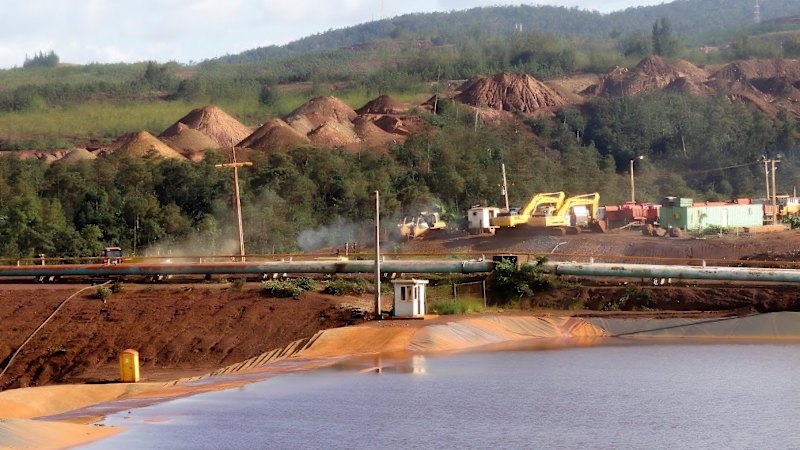
Mining operations themselves are acutely vulnerable. Excessive rainfall in certain zones washes out haul roads and floods open-pit mines, while extreme heat makes manual labor dangerous and inefficient. Heavy machinery fails under thermal stress. The industrial apparatus of the modern world is finely tuned for a climate that no longer exists.
Breaking the Cycle of Complacency
Adapting to this new baseline requires an aggressive overhaul of how the global economy handles resource allocation. Multi-national food conglomerates can no longer rely on single-source procurement hubs. Diversification of supply chains is no longer a corporate buzzword; it is an existential survival metric. Nations must invest heavily in drought-resistant crop genetics, subterranean water management, and decentralized renewable energy grids that do not depend on predictable river flows.
Insurance markets must evolve beyond traditional actuarial tables that rely on historical weather data from the twentieth century. Those numbers are obsolete. The baseline has shifted. If financial regulators continue to view climate volatility as a temporary deviation rather than the primary operating environment, the next major El Niño will not just disrupt the world's most-traded commodities. It will break the financial systems built to trade them.
The ocean warms. The trade winds reverse. The contracts change hands in dark rooms across financial capitals while the soil dries out beneath the sun. The market will price it in eventually. It always does. The only question left is how many broken supply chains and empty silos it will take before the truth becomes impossible to ignore.