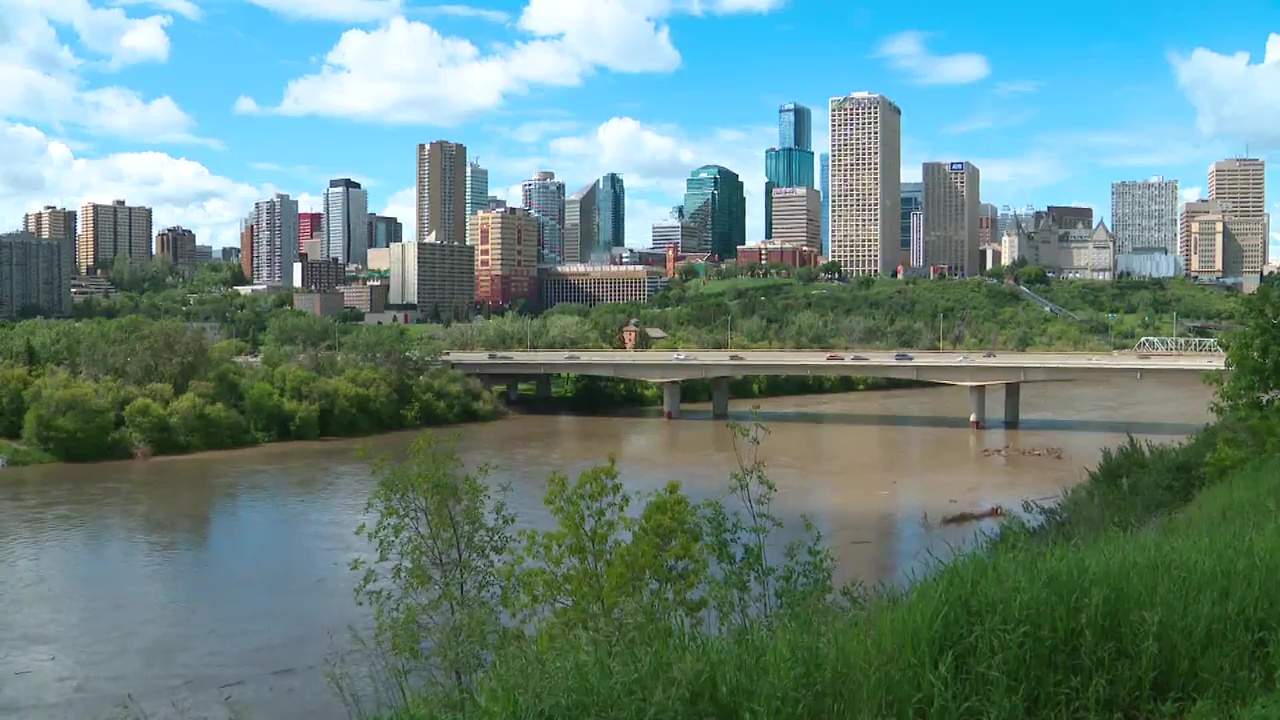
The immediate crisis has passed for Edmonton residents, but the systemic vulnerabilities exposed by the city’s recent water supply alert remain flowing just beneath the surface. When municipal officials abruptly lifted the restrictions tied to overwhelming stormwater pressure, local households breathed a collective sigh of relief. Yet, treating this incident as a simple operational hiccup misses the broader, more alarming reality. Edmonton's infrastructure narrowly averted a catastrophic treatment failure, revealing how thin the margin of safety really is when extreme weather collides with aging municipal utility frameworks.
The breakdown did not happen because the city ran out of water. It happened because it had far too much of it in the wrong places.
During heavy rainfall and rapid snowmelt events, stormwater systems are pushed to their absolute limits. In many North American cities, including older sectors of Edmonton, the line between runoff management and drinking water treatment is dangerously blurred. When massive volumes of stormwater flood the municipal drainage network, the sheer pressure and volume can cause backups, cross-contamination risks, and mechanical strain at treatment facilities.
To protect the integrity of the entire network, operators must shift strategies instantly. This often requires throttling the intake of raw water or slowing down the purification process to ensure safety standards are met. The result is a sudden drop in the net volume of available drinking water stored in reservoirs, triggering emergency conservation notices to the public.
The Invisible Strain on Water Treatment Infrastructure
Drinking water processing relies on a delicate balance of chemistry and mechanics. It is not a simple game of running river water through a giant coffee filter. When stormwater surges into the system, it carries a heavy payload of sediment, organic debris, urban pollutants, and microbial contaminants.
This sudden change in raw water quality forces treatment plants into a defensive posture. Turbidity—the measure of relative clarity of a liquid—spikes dramatically. High turbidity levels interfere with disinfection processes like chlorination and ultraviolet treatment. If the water is too muddy, pathogens can literally hide behind suspended dirt particles, escaping the treatment process intact.
To combat this, plant operators must increase chemical coagulants to bind the dirt particles together so they can settle out. This process takes time. If the inflow of highly turbid water outpaces the settling capacity of the plant, the only safe operational choice is to cut the intake volume. The facility slows production to a crawl to ensure every drop leaving the gates is safe to drink. While this keeps the water clean, it rapidly drains the city's treated water reservoirs, creating an immediate supply crunch.
The Hidden Threat of Combined Sewer Overflows
A major structural headache driving these alerts is the legacy design of urban drainage. Older neighborhoods frequently rely on combined sewer networks, which collect both human waste and rainwater runoff in a single pipe system.
Under normal conditions, all of this wastewater flows directly to treatment plants without issue. During a deluge, however, the volume completely overwhelms the pipes. To prevent raw sewage from backing up into basement drains and flooding residential homes, these systems are engineered to overflow directly into local waterways via relief points. While this protects property, it introduces a massive bolus of contamination directly into the source rivers from which municipal water systems draw their supply downstream.
The Myth of the Quick Infrastructure Fix
Public updates often imply that once the rain stops, the danger evaporates. This is a mirage. The hangover from a major stormwater surge lasts for days, sometimes weeks, inside the management grid.
Upgrading these systems to entirely separate stormwater from wastewater is an astronomical financial burden. It requires tearing up thousands of kilometers of paved roads, displacing underground utilities, and investing billions of dollars in taxpayer funds. Most municipalities simply patch the holes, expand storage reservoirs where they can, and pray that the next extreme weather event stays within the statistical margins of their existing designs.
Relying on public compliance to lower consumption during a crisis is a temporary band-aid on a chronic wound. Asking citizens to reduce shower times and delay laundry works as a stopgap measure, but it shifts the burden of infrastructure failure onto the consumer.
Digital Vulnerabilities in Modern Water Flow
Compounding the physical stress of moving millions of liters of water is the hidden layer of technology managing the valves. Modern water utilities rely heavily on Supervisory Control and Data Acquisition systems to monitor pressure, chemical levels, and flow rates in real-time.
When physical stormwater pressure spikes, these digital systems are flooded with data points, triggers, and automated alarms. A single sensor failure caused by debris or electrical surges can lead to cascading automated shutdowns across the network. The push toward automation has made water distribution highly efficient, but it has also introduced a layer of complexity where a software glitch or a corrupted data stream can mimic a physical pipe burst, forcing operators to make blind decisions during a crisis.
The reliance on these automated layers means that responding to a stormwater emergency is no longer just about sandbags and manual valves. It is a high-stakes balancing act of data management, where a lag in system telemetry can lead to over-pressurization, structural damage, or unnecessary water restrictions that panic the public.
The True Cost of Climate Reality
Weather patterns are shifting away from historical baselines. Municipal engineering guidelines have traditionally relied on centennial storm data to build infrastructure, planning for major events that theoretically only happen once every hundred years.
Those century storms are now occurring with regular frequency. The Edmonton alert is a warning shot for municipal governments across the continent. If the systems cannot handle the current baseline of seasonal pressure, they face severe vulnerabilities as precipitation volatility increases.
Fixing this requires moving away from reactive emergency management and toward aggressive, subsurface civil engineering. Until cities prioritize the invisible grid beneath our streets with the same urgency as visible surface developments, the next water restriction notice is always just one heavy rainfall away.


