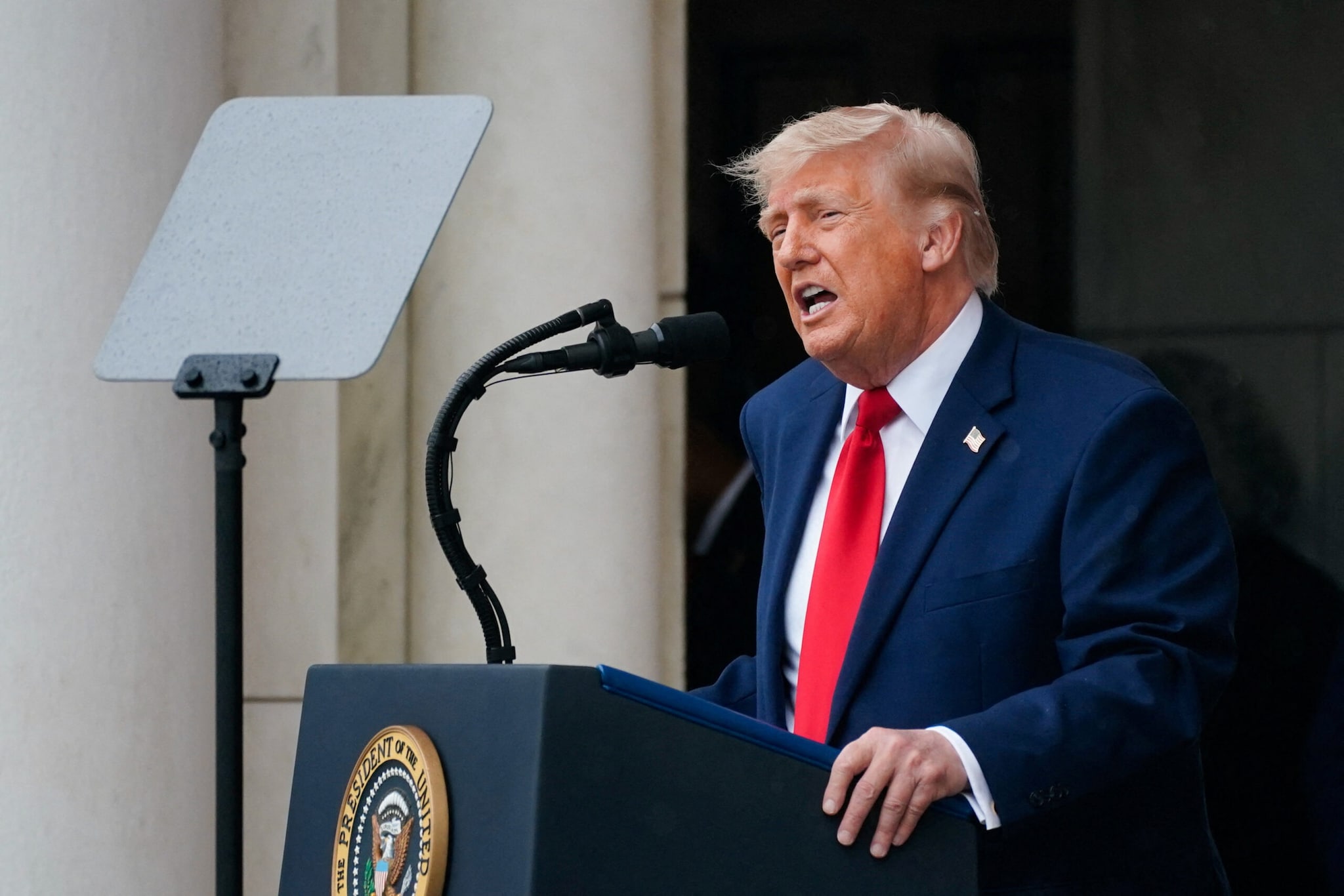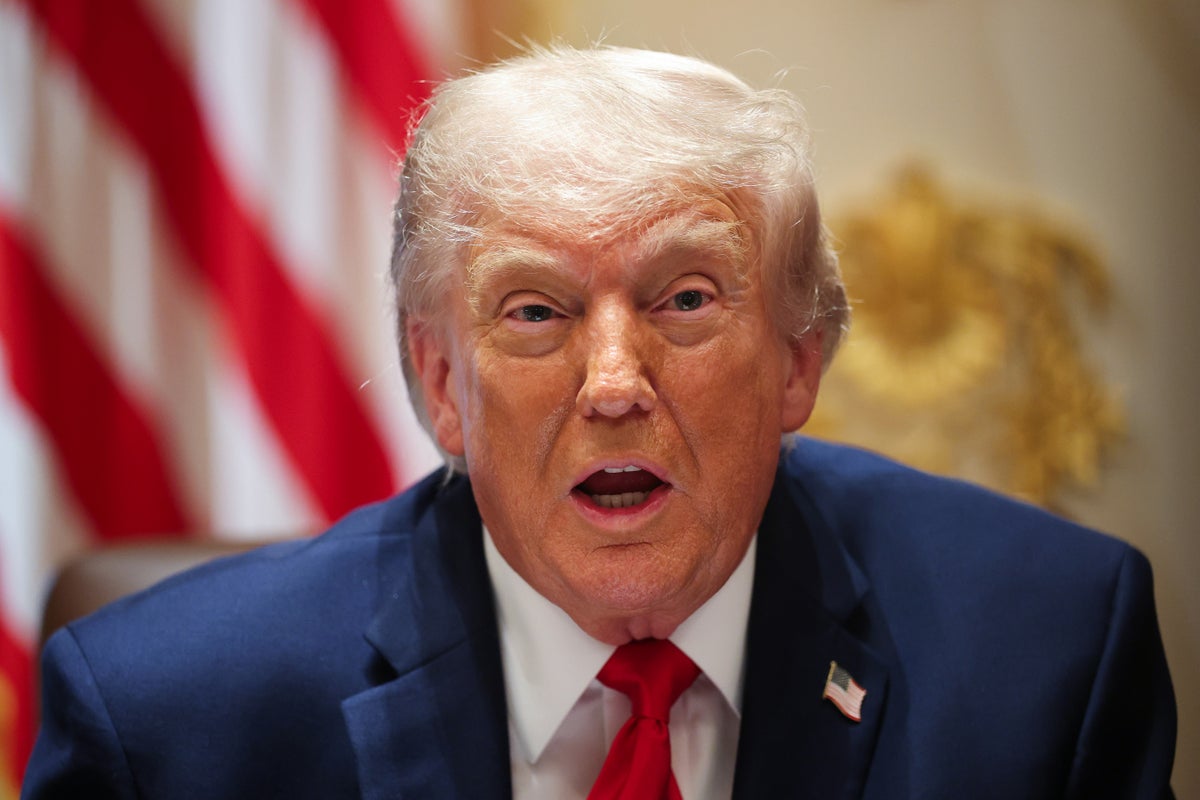
Political communication operates on a dual-track system: symbolic alignment and structural insulation. When public figures attend hyper-premium, high-velocity cultural events—such as high-profile mixed martial arts bouts at Madison Square Garden—they trigger a stark economic paradox. The friction between working-class political messaging and the consumption of luxury experiences represents a calculated trade-off in modern political strategy. This analysis deconstructs the mechanics of this paradox, evaluating how premium ticket pricing, venue demographics, and media amplified statements function within a broader framework of voter engagement and brand positioning.
The Microeconomics of Premium Live Entertainment
The market for tier-one live entertainment events has shifted from standard utility pricing to an aggressive dynamic allocation model. This shift explains why premium seating packages can reach secondary-market valuations exceeding the annual discretionary income of median households.
The Ticket Cost Function
The final market price of a premium live event ticket is not an arbitrary metric; it is driven by three distinct constraints:
- The Scarcity Constraint: Madison Square Garden possesses a fixed capacity ceiling for arena configurations. When demand curves shift outward due to high-profile fight cards or celebrity cross-promotions, the finite nature of supply forces an exponential price appreciation along the demand curve.
- The Secondary Market Premium: Automated algorithmic trading and specialized ticket brokerages capture the delta between face value and true market equilibrium. This introduces a speculative premium that alienates standard consumers while selecting exclusively for high-net-worth individuals or corporate hospitality budgets.
- The Security and Premium Amenity Surcharge: High-profile events necessitate intense logistical coordination, sweeping infrastructure upgrades, and exclusive VIP access points. These structural overhead costs are directly internalized into the base ticket pricing.
This economic reality ensures that the live audience inside the venue undergoes a strict demographic filtration process. The resulting crowd composition is detached from the broader macroeconomic realities faced by the general electorate, transforming the physical space into an insular enclave of affluent consumers.
The Strategy of Cognitive Dissonance in Political Branding
The intersection of high-cost consumption and populist political rhetoric creates a structural friction that conventional communications theory suggests should alienate working-class voters. However, operationalizing this dissonance requires a deeper understanding of symbolic capital and media consumption loops.
The Aspiration Versus Affordability Framework
The primary mechanism mitigating the blowback from participating in high-cost luxury experiences is the psychological shift from economic resentment to aspirational identification.
This framework operates via a three-part cycle:
- The Proxy Experience: The voter does not view the politician's presence at an elite event as an act of exclusion. Instead, the politician functions as a proxy avatar, entering an elite space on behalf of a constituency that feels locked out of institutional power.
- The Defiant Counter-Narrative: Framing the attendance with a philosophical shrug—such as acknowledging harsh realities as an immutable law of nature—reconfigures an economic barrier into a shared, gritty understanding of the world. It signals a refusal to offer superficial platitudes, which consumers of populist media often value over policy solutions.
- The Cultural Aggregation Effect: By embedding themselves within a high-energy, culturally dominant subculture like mixed martial arts, political figures tap into an existing network of loyalty and identity that supersedes economic class divisions.
This strategic alignment transforms a vulnerability (consuming luxury goods while constituents face inflation) into an asset (demonstrating cultural dominance and institutional access).
Media Amplification and the Cost of Outrage
The dissemination of these events relies heavily on structured media polarization. The ecosystem splits into predictable distribution channels that inadvertently reinforce the politician’s core positioning.
The Symmetry of the Critique Loop
The critical media apparatus focuses heavily on the economic disparity, highlighting the cost of entry relative to the median consumer price index. This critique satisfies a specific audience segment but fails to alter the loyalty metrics of the target demographic due to a breakdown in transactional logic.
The supportive media apparatus reframes the event as a triumphal entry into a culturally significant arena, shifting the focus from the cost of the ticket to the reception of the crowd. The baseline economic critique is effectively neutralized by the visual data of a cheering stadium, creating an empirical counterweight to abstract pricing arguments.
This dynamic creates an operational bottleneck for opposition strategists. Attacking a political figure for attending a high-priced event frequently backfires by reinforcing the narrative that the opposition is overly fastidious, focused on etiquette rather than raw cultural relevance.
Operational Limitations of Low-Empathy Communication
While the strategy yields short-term gains in media dominance and base mobilization, it introduces severe long-term vulnerabilities into a political apparatus. Relying on fatalistic messaging regarding economic inequality creates structural exposure over an extended timeline.
The Erosion of Policy Credibility
When economic hardship is dismissed as an inevitable systemic reality, it undermines the core promise of populist economic reform. A political brand cannot indefinitely maintain a posture of economic disruption while simultaneously validating the starkest outcomes of market stratification as natural order.
This tension creates a clear vulnerability:
- The Policy Disconnect: It signals an acceptance of current macroeconomic distributions, weakening the argument that the political figure possesses a distinct framework for reducing working-class financial friction.
- The Vulnerability to Tangible Counter-Programming: An opposition capable of pairing cultural literacy with concrete, highly visible economic solutions can disrupt the aspirational proxy loop, rendering the luxury attendance genuinely damaging rather than performatively defiant.
Strategic Deployment Metrics
To maximize the utility of high-visibility, premium-event appearances while minimizing the associated political depreciation, strategic campaigns must monitor several key variables.
The Strategic Access Matrix
| Variable Metric | Aspirational Alignment | Exposure Risk Factor |
|---|---|---|
| Venue Demographics | High cultural alignment with working-class subcultures (e.g., combat sports, motorsports). | High concentration of corporate luxury suites and visible financial elite. |
| Media Framing | Unfiltered live crowd audio, unedited long-form broadcast integration. | Highly curated editorial breakdowns focused on luxury pricing metrics. |
| Rhetorical Response | Direct, unpolished acknowledgment of economic realities without feigned empathy. | Lengthy policy justifications or defensive denials of access privileges. |
Deploying a political asset into a high-ticket environment requires a precise calculation of these variables. If the cultural alignment of the venue drops while the visibility of corporate luxury rises, the aspirational proxy framework collapses, leaving only the raw economic disparity.
The optimal strategic play demands avoiding defensiveness. The moment a political apparatus attempts to rationalize premium access through standard policy frameworks, it loses the raw authenticity that drives the populist appeal. The message must remain unaligned with standard institutional expectations, weaponizing the economic divide as a marker of candid realism rather than a symptom of systemic failure.