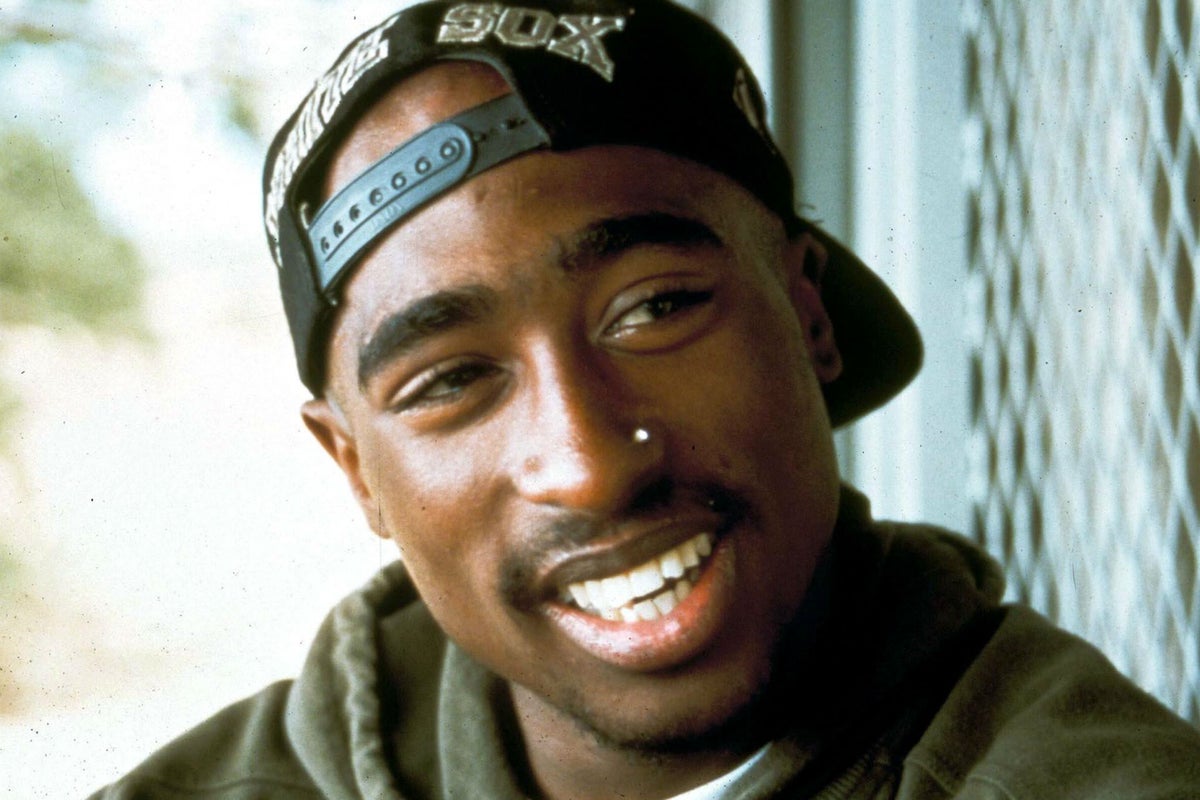
The desert wind carries ghosts. If you stand on the corner of Flamingo Road and Koval Lane in Las Vegas after midnight, the neon hums a different tune. It sings of 1996. It sings of white Cadillacs, shattered glass, and a cultural tremor that split modern music in two.
Time moves forward, yet certain days refuse to unbend. Decades bled into one another, filled with whispers, conspiracy theories, and a collective hunger for closure that only grew louder with every passing year. People wanted answers. They wanted names. They wanted to know how an era defined by brilliance could curdle into a tragedy on a neon-lit strip.
Then came the courtroom doors opening.
The Long Shadow
Shadows stretch. When Tupac Shakur took his final breaths in a Las Vegas hospital room, a shroud fell over the hip-hop community and the world at large. The vacuum left behind wasn't just physical; it was ideological. He was a poet wearing a target, a contradiction of tender vulnerability and razor-sharp rage.
For years, the narrative floated in a gray haze of folklore. Everyone knew pieces of the puzzle. Few possessed the full picture. The official narrative felt thin, porous, and unsatisfying. Rumors hardened into street legend.
Justice works slowly. Sometimes, it crawls. But history has a stubborn habit of dragging secrets out into the harsh fluorescent light.
The Men in the Center
When the trial finally commenced, the focus shifted from abstract myth to concrete reality. Five figures stood at the epicentre of the narrative. Each carried a piece of the machinery that engineered that fateful night.
Duane Davis, known on the streets as Keffe D, sits at the nexus of the prosecution's case. He is the last living soul from inside that white Cadillac. His own words, spoken in documentaries and police interviews over the years, came back to anchor him to the center of the storm. He became the architect of accountability in a proceeding that many thought would never happen.
Around him orbit the memories of the others. Orlando Anderson, the young man tangled in a casino brawl hours before the shooting, whose life was violently cut short long before a courtroom could weigh his actions. Terrence Brown, the driver navigating the chaos. DeAndre Smith and Jimmy Lanes, passengers trapped in a cascade of bad decisions and fatal momentum.
They were young men once. Reckless. Caught in a localized feud that escalated past the point of no return. Now, their youth is entirely irrelevant. The ledger demands balancing.
The Weight of Truth
Memory is a fragile thing. Witnesses age. Memories blur. Physical evidence degrades. Yet truth possesses a heavy gravity. It pulls everything back toward the center.
Consider what happens when a community spends twenty-seven years mourning a prophet. The grief mutates. It turns into skepticism. Every documentary, every podcast, every investigative deep-dive acts as a bandage on a wound that never quite scabbed over. People grew tired of speculation. They wanted the law to speak.
The trial did not just unpack a murder. It unpacked an ecosystem. It revealed how street politics, police reluctance, and a code of silence allowed a tragedy to gather dust while the world watched.
The Final Chord
Silence is heavy. But accountability is heavier.
As the gavel falls and the transcripts stack higher, the myth of invincibility surrounding that night begins to fracture. The street legends give way to court reporters, evidence bags, and cold reality. Tupac Shakur remains immortalized in verse and bronze, forever twenty-five, forever suspended between rage and redemption.
The desert wind still blows down Flamingo Road. The neon still flickers. But the ghosts can finally rest.