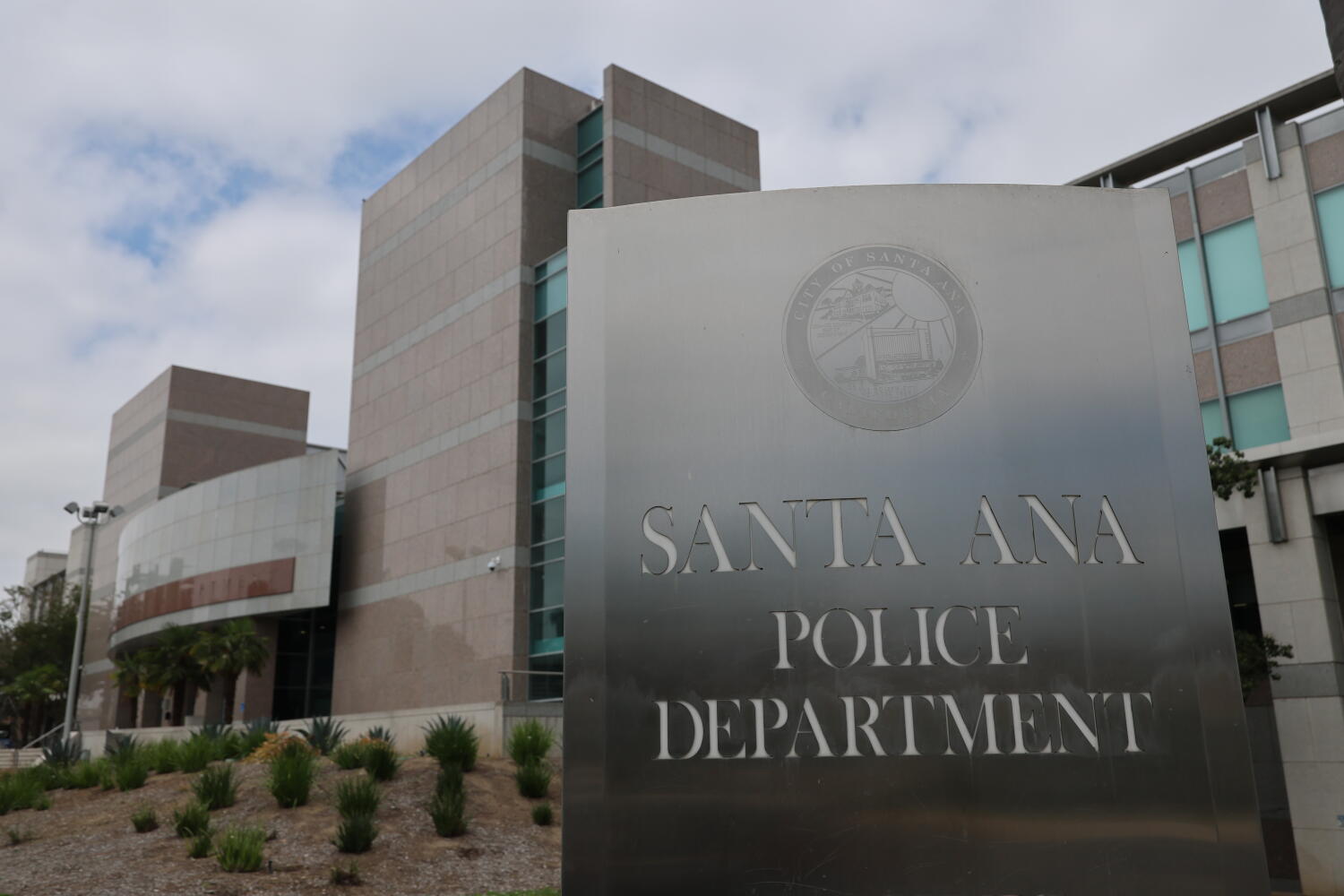
When prosecutors quietly drop criminal charges from an arrest that went viral for all the wrong reasons, nobody treats it like a routine court docket. On October 13, 2026, a judge granted the Orange County District Attorney's request to dismiss the criminal charges tied to the October 1 arrest of 28-year-old Florentino Lopez Jr. in Santa Ana. If you've been following the fallout from the Santa Ana police arrest video, you already know the core headline: Lopez won't face criminal charges stemming from that specific arrest.
Yet the real story isn't that the case vanished. Prosecutors pivoted to pursuing a probation violation against Lopez stemming from an earlier conviction on gun charges, leaving him in legal jeopardy even as the street-level charges evaporated. Meanwhile, the Santa Ana City Council ordered an independent investigation into the officers' use of force, and residents packed council chambers demanding answers.
Let's be honest about what happened here. Viral cellphone footage didn't just spark public outrage. It forced a collision between street-level policing, prosecutorial discretion, and the cold reality of what cameras actually show versus what arrest reports claim.
What Happened on October 1 in Santa Ana
Around 9:30 p.m. on October 1, 2026, Santa Ana police officers encountered Florentino Lopez near his family's home around Fifth and Jackson streets. Accounts from his defense attorney, John Kremer, and local reporting describe Lopez and his younger sister outside near the property before officers approached and the situation escalated quickly.
In the cellphone clip recorded at the scene, officers hold Lopez against a patrol car hood with his hands behind his back. According to reporting on the video, an officer asks whether he wants to go down, Lopez replies to look at him when he does it, and moments later Lopez is pulled to the pavement and struck with punches and kicks while another officer kneels on his stomach before additional officers arrive to handcuff him.
Police and court filings offered a very different framing of the backdrop. According to the probation violation petition reported by local outlets, officers were patrolling the Fifth and Jackson area due to a recent increase in gang-related violent crime, spotted Lopez in the roadway, noted a cap logo suspected to represent a local gang, and alleged he was smoking marijuana before patting him down for weapons. Defense counsel disputed that characterization, arguing Lopez was being detained near his home and was subjected to excessive force rather than justified restraint.
Initially, Lopez faced serious allegations, including felony resisting an executive officer and misdemeanor resisting a peace officer, alongside pedestrian and marijuana-related counts. He pleaded not guilty and posted bail before prosecutors moved to drop those arrest charges on October 13.
Why Prosecutors Dropped the Arrest Charges But Kept a Probation Angle
People often assume a dismissed criminal case means prosecutors suddenly decided a suspect was an angel. That's rarely how the math works in a district attorney's office.
When prosecutors dismiss arrest charges after reviewing body-worn camera footage, witness accounts, and the broader record, they're making a strategic calculation about proof beyond a reasonable doubt in front of a jury. Resisting arrest cases can become messy fast when video shows heavy strikes on the ground and defense attorneys put the officers' tactics on trial.
At the same time, pursuing a probation violation operates under different legal mechanics than proving a brand-new felony at trial. Reports indicate Lopez had prior felony probation tied to an earlier conviction involving an unregistered loaded gun, evading law enforcement, and hit-and-run. A district attorney spokesperson stated that after reviewing available evidence—including body-worn camera footage—prosecutors concluded that pursuing the probation violation was the appropriate sanction.
That nuance matters if you're trying to understand the outcome fairly:
- Dismissed arrest charges mean the specific criminal counts filed out of the October 1 encounter are no longer being prosecuted in court.
- An active probation violation means Lopez can still face court proceedings and potential custody exposure tied to the terms of his prior supervision.
- An ongoing force review means dropping charges against the civilian does not automatically close the book on how the officers acted.
How the Santa Ana Police Arrest Video Reshaped the Debate
Before video became ubiquitous, a disputed arrest often came down to whose word sounded more credible in a courtroom. A police report written in clinical terms frequently carried heavy weight, especially when paired with a resisting charge.
Cellphone clips and body-worn cameras flip that dynamic on its head. Yet there's a catch that both civil rights lawyers and law enforcement leaders point out: a short clip doesn't always capture every second before the camera started rolling, every command given, or every angle of the scene.
That's why the Santa Ana police arrest video became a flashpoint rather than a simple open-and-shut clip. Critics and family spokespeople pointed to the visible strikes and facial injuries as proof of disproportionate force. Police Chief Robert Rodriguez and Mayor Valerie Amezcua emphasized that the department was reviewing body-worn camera footage and the full circumstances while urging the public not to prejudge all officers or rush past the investigation.
Meanwhile, the Santa Ana City Council moved to bring in an independent investigator to review the body-worn camera footage rather than relying solely on an internal look. In mid-sized cities across California, that step has become a crucial credibility test when a high-profile use-of-force video hits social media.
What Investigators Actually Look For in Use-of-Force Cases
Under U.S. Supreme Court precedent and California use-of-force standards, reviewers don't judge split-second street encounters with 20/20 armchair hindsight alone—they evaluate whether the force was objectively reasonable based on the facts and threats confronting a reasonable officer at that moment, as well as whether de-escalation was feasible.
In practice, an independent or internal review looks closely at several questions:
- Did the person pose an immediate threat to officers or bystanders, or attempt to flee?
- Was the person actively resisting, or merely arguing or reacting to pain?
- Did strikes or restraint continue after the person was already controlled or handcuffed?
- What do synchronized body-worn camera angles show compared to bystander phone video?
Notice how none of those questions are answered by a single soundbite. Even when criminal charges against the arrestee are dropped, administrative policy compliance and potential civil liability remain separate tracks.
Common Misconceptions About Dropped Charges and Use of Force
Whenever a viral arrest ends with dismissed charges, a few myths pop up right away. Clearing them up saves a lot of confusion.
First, dropped charges don't automatically equal a criminal indictment of the officers. Prosecutors weigh a high legal bar when deciding whether to charge law enforcement personnel, and charging decisions in use-of-force reviews often unfold separately from the arrestee's case file.
Second, a person's criminal history or probation status doesn't erase constitutional limits on force. Supporters of tough enforcement often note prior convictions or probation terms as context, while civil rights advocates rightly stress that prior records never give officers a blank check to use unreasonable force. Both sides can argue over context, but the legal standard still turns on what happened during that specific encounter.
Third, internal reviews take longer than social media cycles. People want answers in 48 hours, while thorough reviews of multiple camera feeds, medical records, and witness statements take weeks or months. That gap between outrage and findings is exactly where public trust either holds or frays.
Practical Next Steps If You're Following or Affected by This Case
If you're a Santa Ana resident, a legal observer, or someone trying to keep track of how accountability actually plays out after charges are dropped, don't stop at the initial headline.
- Track the probation and independent review dockets separately: Watch court updates on the probation violation matter separately from city council actions on the independent use-of-force investigation, since they move on different legal tracks.
- Read official city and council agendas directly: Check Santa Ana City Council agendas and public staff updates rather than relying solely on secondhand social media summaries when independent investigator retention or findings are discussed.
- Compare multiple camera perspectives carefully: When body-worn camera or additional footage is released or referenced in filings, look at timing, audio, and full sequence rather than isolated frames.
- Consult a licensed California defense or civil rights attorney for personal legal questions: If you or someone you know is dealing with resisting arrest allegations, probation violations, or an alleged use-of-force injury, get case-specific advice from qualified counsel rather than relying on news coverage.