Donald Trump loves a high-stakes summit. We saw it with Kim Jong Un in Singapore, and now he wants to bring that same reality-TV diplomacy to the Middle East. He recently admitted he would be "honored" to sit down with Iran's newly minted Supreme Leader, Ayatollah Mojtaba Khamenei, if it meant locking down a grand deal to end the current conflict.
Tehran took about five minutes to shut that down.
Iranian Foreign Minister Abbas Araghchi went on Lebanese television and basically told the US president to snap back to reality. Araghchi mocked the idea, saying world leaders need to "live in the real world."
This isn't just standard diplomatic bickering. It exposes a massive misunderstanding of how power works inside Iran, especially right now. The region is reeling from the February 2026 US-Israeli airstrikes that killed the previous leader, Ali Khamenei. Now, his 56-year-old son Mojtaba is running the show from the shadows. Trump thinks he can charm or bully the new boss. He can't.
The Illusion of the Supreme Summit
Trump's foreign policy has always relied on a simple premise: everything is negotiable if you get the top guys in a room. He used his appearance on the "Pod Force One" podcast to signal his readiness, hinting that Mojtaba Khamenei is the ultimate decision-maker in ongoing secret negotiations.
But Iran is not a corporate boardroom.
The Iranian state derives its legitimacy from its fierce, uncompromising anti-imperialist stance. Sitting down with an American president—especially the one who ordered the maximum pressure campaign and cheered on the operations that killed the previous Supreme Leader—would be political suicide for the regime's hardliners.
Araghchi’s public rejection was direct because it had to be. Tehran needs to show its regional proxies, like Hezbollah and the Houthis, that the leadership isn't softening under pressure.
Why Tehran is Staying in the Shadows
- The Security Dilemma: Mojtaba Khamenei has barely been seen in public since taking power in March. Araghchi admitted this is purely due to intense security considerations. With a fragile ceasefire holding since April 8, Iran isn't going to risk its new leader's life for a White House photo op.
- Internal Stability: The transition from father to son was contentious. The Islamic Republic has always claimed it isn't a monarchy, yet a hereditary succession just took place. Showing Mojtaba rubbing shoulders with Trump would trigger immense domestic backlash from a population already exhausted by war and economic ruin.
- The Ghost in the Office: Araghchi revealed he was actually in another wing of the Supreme Leader’s office when the fatal February strikes hit. The regime is paranoid, and rightly so. They aren't about to hand the US intelligence apparatus a fresh look at their new leader.
What Trump Gets Wrong About Iranian Power
Trump’s public comments show he's treating Iran like a standard dictatorship where the guy at the top can rewrite the rules on a whim. He openly speculated about Mojtaba's health, joking that "he's missing a lot of different parts" after the strikes.
That kind of rhetoric doesn't build a bridge to a deal. It burns it.
Iran's political machine operates on institutional consensus among the Islamic Revolutionary Guard Corps (IRGC), the clerics, and the supreme leadership. Mojtaba has full control right now, but that control depends on maintaining the status quo of the revolution. He can't just pivot and sign a bilateral peace treaty with Washington without shattering the internal balance of power that keeps him alive.
Trump's Strategy: Direct summit -> Personal charm -> Quick deal
Iran's Reality: Hidden leadership -> Institutional survival -> Proxy warfare
The Billion-Dollar Roadblock
If you want to know what a realistic path forward looks like, ignore the talk of summits and look at the money.
Mohsen Rezaei, a top adviser to the Supreme Leader, laid out the real terms to CNN. Iran isn't looking for a handshake. They want $24 billion in frozen Iranian assets released.
That's the real friction point. Trump claims the US has total control over Iran's enriched uranium stockpile, saying it's "entombed" and covered by American surveillance cameras. He boasts that the US military could seize it right now if they wanted to, though he claims there is no reason to.
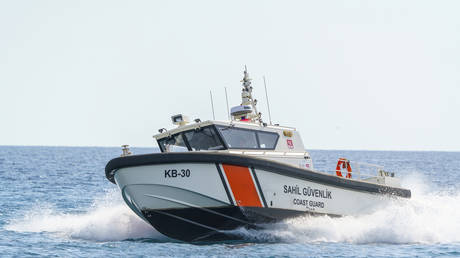
Meanwhile, the conflict is bubbling just under the surface. The US military recently flattened Iranian coastal radar sites in Goruk and Qeshm Island after shooting down four attack drones heading toward the Strait of Hormuz. Trump claims Iran is down to roughly 21% or 22% of its original missile capability. True or not, Tehran still holds enough leverage to choke global shipping lanes, and they know it.
Forget the Handshake, Watch the Money
The idea of Trump and Khamenei sitting down for a historic summit makes for great headlines, but it's an absolute fantasy. Iran's leadership works through backchannels and intermediaries because anonymity equals survival in their world.
If Washington actually wants to secure the Strait of Hormuz and permanently freeze Tehran's nuclear ambitions, the administration needs to stop chasing a legacy-defining meeting.
The immediate next step isn't scheduling a summit. It's managing the fragile April 8 ceasefire before it completely unravels. Keep your eyes on the Swiss-mediated diplomatic channels and the specific financial negotiations regarding those frozen billions. That's where the real deals are made or broken, far away from the cameras.