You hit the gym five days a week. You track your macros. You buy the expensive whey isolate. Yet, your recovery feels sluggish and your strength plateaus for months. The culprit isn't your training split. It's the ultraprocessed junk hiding in your "healthy" fitness diet.
Recent research is finally pulling back the curtain on how ultraprocessed foods (UPFs) wreck your musculoskeletal system. We’ve known for years that these laboratory creations cause obesity and heart disease. Now, scientists are proving they literally eat away at your muscle mass and bone density. If you think a protein bar made of twenty chemical ingredients is the same as a piece of steak, you're dead wrong.
Why Ultraprocessed Foods Are Muscle Poison
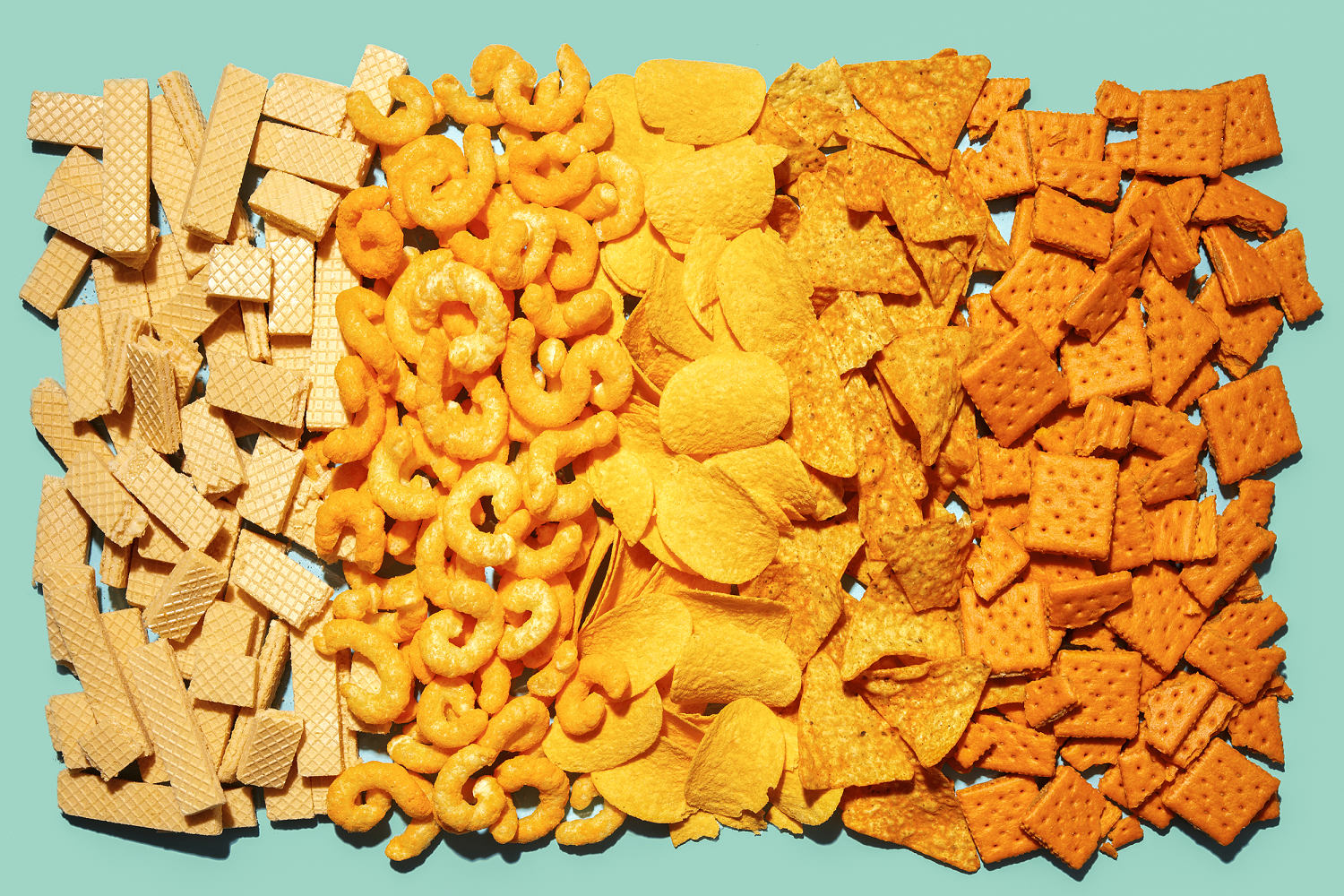
Most people define "processed" too broadly. Chopping a carrot is processing. Fermenting cabbage into sauerkraut is processing. That's fine. The danger lies in Grade 4 ultraprocessed foods. These are industrial formulations made from substances extracted from foods—think hydrogenated fats, modified starches, and protein isolates—bulked up with additives to make them shelf-stable and "hyper-palatable."
A major study published in The Journal of Nutrition analyzed data from over 10,000 adults and found a direct, inverse relationship between UPF consumption and skeletal muscle mass. The more "fake" food people ate, the less muscle they had, regardless of their total calorie intake. This isn't just about getting fat. It's about your body losing the hardware it needs to move.
UPFs trigger chronic, low-grade inflammation. Your muscles need a clean environment to repair the micro-tears caused by lifting. When your system is flooded with emulsifiers and artificial sweeteners, your body stays in a state of high alert. Instead of building new muscle tissue, your biological resources are spent trying to manage the systemic chaos caused by your lunch.
The Sarcopenia Trap
Sarcopenia is the age-related loss of muscle mass and function. It used to be a problem for the elderly. Now, we’re seeing "young sarcopenia" in people who look fit but have terrifyingly low muscle quality.
When you consume a diet high in ultraprocessed items, you're often hitting your protein "numbers" but missing the micronutrient density required for protein synthesis. A study led by researchers at the University of Adelaide highlighted that diets heavy in UPFs lack the essential phytonutrients and minerals that act as co-factors for muscle growth. You’re providing the bricks (protein) but firing the masons (nutrients) who build the wall.
High sodium levels in these foods also mess with your electrolyte balance. This leads to poor muscle contraction and increased fatigue. You aren't just weaker; you're more prone to injury. Chronic consumption of UPFs has been linked to lower bone mineral density, meaning your "engine" (muscle) is getting smaller while your "chassis" (bones) is getting more brittle. That’s a recipe for a catastrophic breakdown.
The Protein Bar Deception
This is where the fitness industry lies to you. You see a bar with 20 grams of protein and "Low Net Carbs" on the wrapper. You think it’s a health food. Look at the back. If you see soy protein isolate, polydextrose, maltitol, and "natural flavors," you’re eating a candy bar with a chemistry degree.
These isolates don't digest the same way as whole food protein. The rapid absorption of highly refined proteins, combined with artificial sweeteners, can spike insulin in ways that actually promote fat storage over muscle repair. Honestly, it's better to eat a smaller amount of real food than a massive dose of industrial sludge.
Gut Health Is Muscle Health
Your gut is the gatekeeper. If your microbiome is trashed, you won't absorb the nutrients you need to stay strong. Ultraprocessed foods are designed to be shelf-stable, which means they lack fiber and are often packed with emulsifiers like carboxymethylcellulose. These chemicals have been shown to thin the protective mucus layer in your gut.
When your gut lining is compromised, you deal with "leaky gut." Endotoxins enter your bloodstream. This creates an environment of oxidative stress. Your muscles are the first to suffer. They become "anabolic resistant," meaning they stop responding to the signals that tell them to grow after a workout. You can lift until you're blue in the face, but if your gut is inflamed from a diet of frozen pizzas and "protein" cookies, those gains aren't coming.
How to Rebuild Your Muscle Integrity
You don't need a PhD to fix this. You just need to stop eating things that come in crinkly plastic bags with ingredients you can't pronounce.
Start by auditing your "fitness" supplements. If your pre-workout looks like radioactive sludge and contains five different artificial colors, toss it. Switch to black coffee or green tea. The caffeine is what you want anyway, without the heart palpitations and gut rot.
Swap your "protein snacks" for hard-boiled eggs, Greek yogurt (the plain kind, not the "fruit on the bottom" sugar bomb), or a handful of almonds. These contain the actual fats and enzymes your body expects. Real food has a "food matrix"—a complex structure of nutrients that work together. Isolates don't have that. They're just lonely molecules.
Focus on the perimeter of the grocery store. That's where the real stuff lives. Meat, fish, eggs, vegetables, and fruit. If it has a "Use By" date that's three years from now, it isn't food. It's a durable good. Your muscles deserve better than a diet of edible plastic.
Stop looking for the perfect supplement and start looking at your plate. If your great-grandmother wouldn't recognize what you're eating as "food," your muscles won't either. Buy some steak. Roast some potatoes. Eat a salad. Your bench press will thank you.
Empty your pantry of anything containing high fructose corn syrup or soybean oil today. Go to the market and buy enough single-ingredient foods to last you four days. Cook them. Eat them. Notice how your joints stop aching and your energy stabilizes. This isn't a "cleanse." It's returning to a human biological baseline. Get back to the basics and watch your body finally respond to the hard work you're putting in at the gym.