Passports are books of memory. Every stamp tells a story of transit, borders crossed, and checkpoints cleared, but certain pages carry an entirely different weight. For millions of Muslims across the globe, the visa required to perform Umrah once functioned as a fragile, high-stakes key. It turned a profound spiritual calling into a frantic exercise in bureaucracy. You did not simply decide to visit the holy sites of Mecca and Medina. You negotiated. You planned months in advance, bought rigid tour packages stuffed with overpriced hotels you never wanted, and prayed that nothing would go wrong with your single-entry permission slip.
The moment you stepped back onto a departing aircraft, the door slammed shut. Your time was up. Your access evaporated.
Then, the architecture of travel shifted.
Saudi Arabia introduced a policy that quietly dissolved decades of rigid gatekeeping: the one-year multiple-entry Umrah visa. To view this policy as a mere administrative update is to miss the entire human story. This is not about paperwork. This is about time, autonomy, and the profound emotional relief of being invited to return on your own terms.
The Architecture of Anticipation
Consider the psychological toll of the old system. Tariq, a software engineer living in London, spent years saving for a single Umrah trip with his aging parents. Every step felt like walking through a minefield of deadlines. If an employer suddenly denied his vacation time during the approved window, or if his mother fell ill the week before departure, the entire financial and emotional structure collapsed. The visa was tied to a narrow, inflexible date. Miss it, and you start over from scratch.
Bureaucracy thrives on scarcity. When visas are scarce, panic dictates behavior. Travel agencies capitalized on this anxiety, locking pilgrims into pre-packaged bundles that left zero room for personal reflection, medical emergencies, or spontaneous detours to visit family members elsewhere in the region.
The modern framework changes the emotional physics of the journey. A visa valid for three hundred and sixty-five days acts as a psychological exhale. It acknowledges a simple, human truth: spiritual longing does not operate on a fixed corporate schedule.
Anatomy of a Shift
Under the current regulations, eligible travelers can secure a visa that remains valid for an entire year from the date of issue. More importantly, it permits multiple entries. You are no longer tethered to a single, breathless ten-day sprint where you try to compress a lifetime of devotion into a weekend.
Each individual entry allows a stay of up to ninety days. That figure alone transforms the entire experience. Ninety days permits a pilgrim to slow down. It allows someone to spend a quiet month in Medina, absorbing the rhythm of the city long after the seasonal tour groups have packed their bags and departed. It provides the breathing room to recover from exhaustion, to read, to pray without checking a wristwatch.
The mechanics of acquisition have moved from shadowy back-channel agencies to digital accessibility. Through official platforms like the Nusuk portal or the broader electronic visa systems, eligible passport holders can navigate the application process directly. The system integrates mandatory health insurance, ensuring that medical safety nets are woven into the digital approval itself.
Yet, numbers and portals obscure the texture of what this actually feels like on the ground.
The Freedom of the Second Chance
Imagine landing in Jeddah on a crisp winter evening. In the past, the return flight hung over your head like a ticking clock from the moment you cleared customs. Every hour spent resting felt like stolen time.
Now, look at what happens when the fear of finality is removed. A traveler can complete the primary rituals of Umrah, spend a week visiting historical sites in the surrounding desert, fly home to catch a daughter’s graduation, and then—months later, when the heart feels heavy again—book a quiet flight back. No new visa application. No fresh round of vetting. Just an open gate.
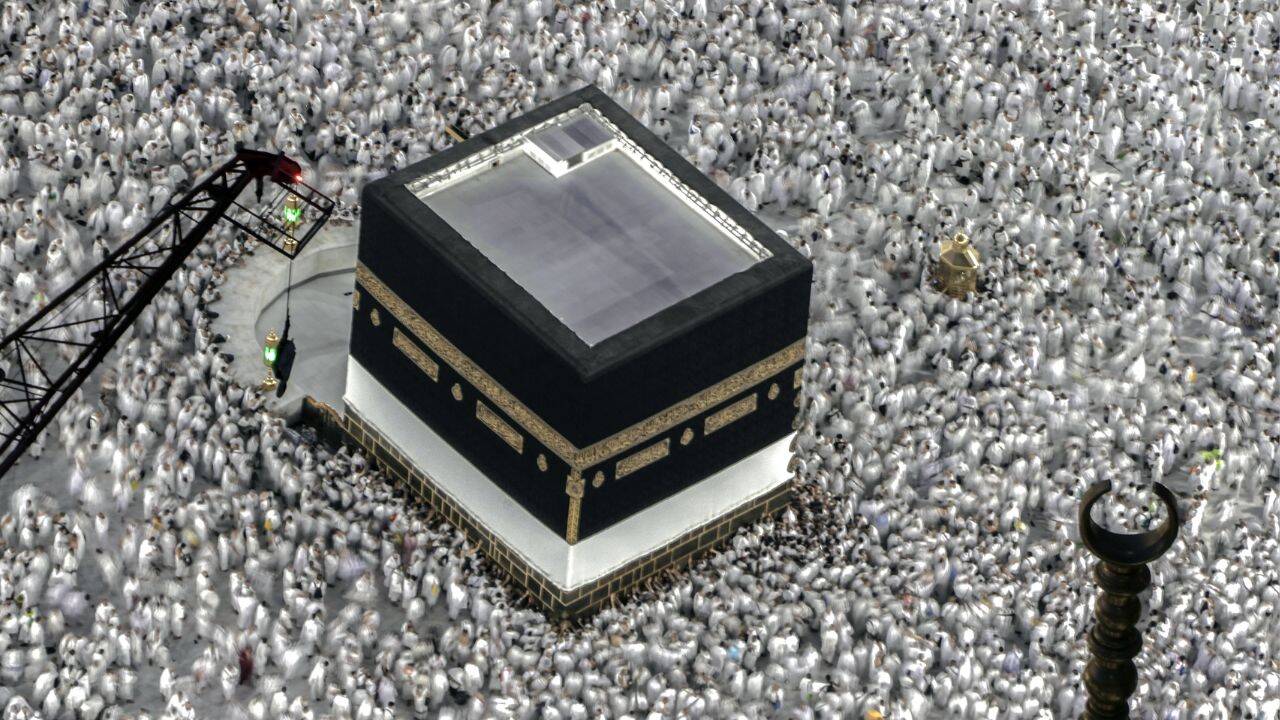
This flexibility alters how pilgrims experience the holy cities. Mecca and Medina are ancient urban centers swollen by waves of temporary humanity. In the past, the crushing density of peak seasons was mandatory. If you wanted to go, you went when everyone else went.
A twelve-month window decentralizes the crowds. Wise travelers now use the off-peak months, arriving quietly in the shoulder seasons when the courtyards of the Grand Mosque offer space to sit, to breathe, and to think without being swept along in a human current. They stay longer, spend locally, and build deeper connections with the communities they visit.
Navigating the Boundaries
Of course, freedom requires clarity. A multiple-entry visa is not an open-ended residency permit. The ninety-day limit per visit remains a firm boundary. Overstaying invites severe legal penalties, steep fines, and immediate administrative bans. The system is designed for movement, not squatting.
Eligibility also remains tied to geopolitical realities. While citizens of dozens of countries across North America, Europe, the United Kingdom, and parts of Asia can easily secure these permissions online or upon arrival—especially if they hold certain pre-existing visas from the US, UK, or Schengen zone—others must still navigate consular interviews. GCC residents enjoy streamlined pathways tailored to their regional proximity.
Understanding these guardrails keeps the experience peaceful. The visa is a bridge, not a loophole.
The Weight of Returning
We measure our lives in chapters defined by the places that change us. For generations, the journey to the sanctuaries of the Hijaz was a once-in-a-lifetime mountain to climb, approached with trembling knees and the terrifying knowledge that you might never walk those stone pathways again.
A one-year multiple-entry visa softens that terror. It whispers a reassuring promise to the weary traveler.
You do not have to do it all right now. You can come back. The door is open.