Bond market reactions to geopolitical negotiations often follow a predictable behavioral arc, shifting rapidly from immediate risk aversion to structural reassessment. When U.S. Treasury yields decline amidst reports of a potential diplomatic resolution regarding Iran, the market is not merely reacting to a headline. It is executing a multi-step repricing of two distinct variables: immediate geopolitical risk premiums and longer-term inflation expectations driven by commodity supply chains.
The Transmission Mechanism of Geopolitical Risk
Financial markets price conflict and diplomacy through a specific transmission mechanism composed of three distinct phases: liquidity hoarding, risk asset repricing, and macroeconomic baseline adjustment. You might also find this similar story useful: The Economics of Decarbonization Structural Mechanics and Capital Allocation.
Phase One: Liquidity Hoarding
At the initial onset of geopolitical tension, capital flees perceived tail risks. Investors trade volatile equities and credit instruments for the ultimate safe-haven asset, U.S. Treasury securities. This sudden surge in demand drives bond prices upward, which mechanically depresses yields. This reaction is reflexive, driven by capital preservation mandates rather than fundamental economic calculations.
Phase Two: Risk Asset Repricing
As the narrative shifts toward a potential diplomatic deal, the threat vector changes from active disruption to potential stabilization. If traders perceive that a major supply choke point—such as the Strait of Hormuz—remains secure or will reopen under an agreement, the risk premium embedded in energy assets evaporates. As extensively documented in recent coverage by CNBC, the implications are significant.
Phase Three: Macroeconomic Baseline Adjustment
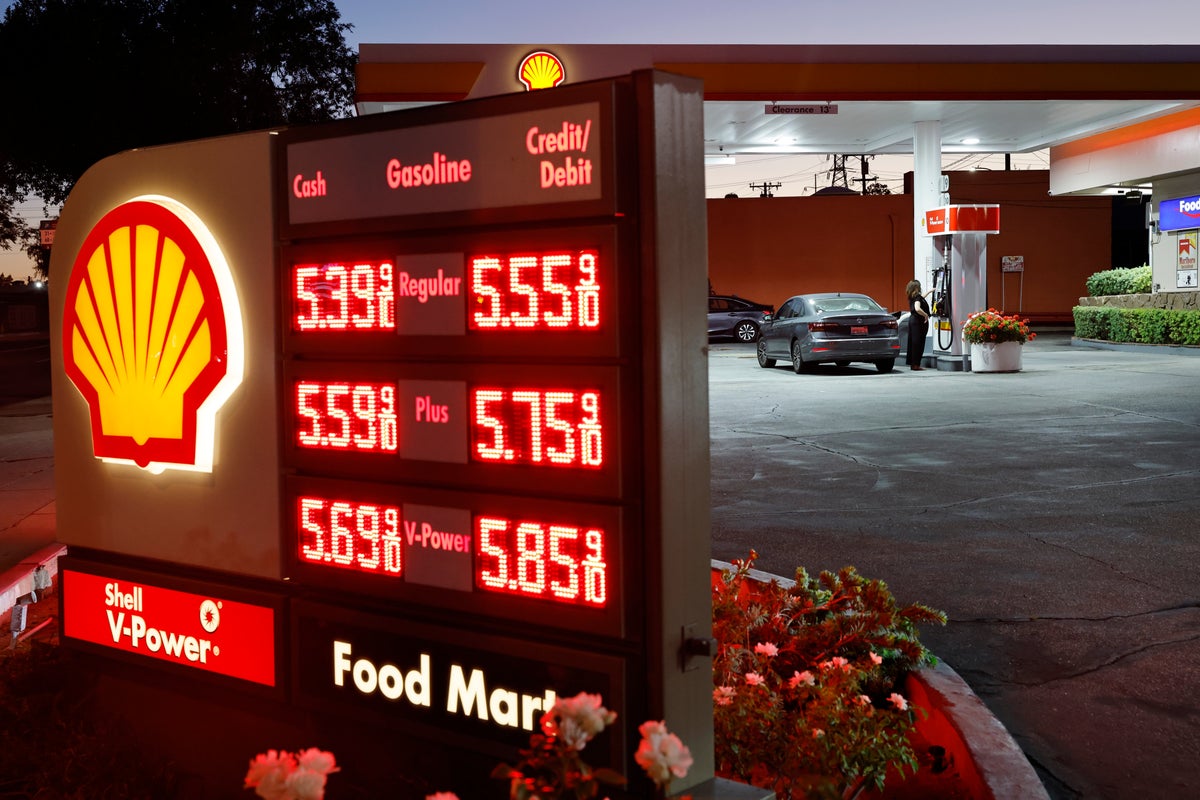
The secondary effect of declining geopolitical risk is energy price stabilization. Oil acts as a foundational cost input across all global industrial sectors. When crude futures drop due to the reduction of a geopolitical risk premium, expected headline inflation prints adjust downward. Bond markets immediately reprice the terminal rate expectations of the Federal Reserve. Lower inflation expectations reduce the required real yield plus inflation compensation, pushing longer-duration Treasury yields down further.
The Mechanics of Sovereign Debt Pricing
To understand why yields fall when diplomatic breakthroughs occur, one must isolate the two core components of a nominal Treasury yield: expected future short-term real interest rates and the inflation risk premium.
Nominal Yield = Real Rate Expectations + Inflation Premium + Term Premium
A potential diplomatic accord with Iran impacts the equation primarily through the second and third variables.
Deflating the Inflation Premium
When geopolitical tensions persist, traders price in a high-variance tail risk regarding oil supply shocks. This uncertainty inflates the inflation risk premium. A credible diplomatic framework reduces the probability distribution of extreme oil price spikes. Consequently, bondholders demand less compensation for inflation uncertainty, driving nominal yields down across the curve.
Duration and Safe-Haven Dynamics
Shorter-dated and longer-dated Treasuries react differently depending on the nature of the diplomatic news. Short-term yields are anchored by central bank policy rates, while long-term yields reflect growth and inflation trajectories over decades. When a crisis subsides without escalating into broader conflict, safe-haven flows into the short end can reverse quickly, but the downward pressure on long-end yields often persists if the structural outcome is lower commodity costs and decelerating inflation.
Evaluating Market Sentiment Indicators
Traders monitoring diplomatic developments do not rely on political rhetoric alone. They evaluate quantitative indicators to determine whether a potential deal carries execution risk.
- Implied Volatility (MOVE Index): A sharp compression in bond market volatility indicates that fixed-income investors believe the range of potential outcomes has narrowed.
- Breakeven Inflation Rates: The spread between nominal Treasuries and Treasury Inflation-Protected Securities (TIPS) measures market-based inflation expectations. A declining breakeven rate during peace talks confirms that the market is pricing out energy-driven price pressures.
- Term Structure Slopes: The yield curve slope—specifically spreads like the 2-year versus 10-year Treasury yield—reveals whether relief from geopolitical pressure is seen as boosting long-term economic growth or merely lowering immediate risk premia.
Strategic Allocation Under Geopolitical Resolution
When fixed-income markets react to sudden de-escalation headlines, portfolio managers face a specific tactical optimization problem: distinguishing between temporary noise and structural shifts in duration value.
If a diplomatic agreement reduces the structural floor under energy prices, duration assets gain fundamental support. Investors positioned defensively in cash equivalents or short-duration bills face reinvestment risk as yields drift lower. Conversely, if the diplomatic breakthrough proves fragile, the reversal is swift, requiring dynamic hedging strategies via options rather than outright position liquidations.
The primary directive for institutional allocators during such transitions is to monitor energy futures alongside rate curves. If crude prices stabilize at lower baselines while Treasury yields compress, the market is signaling a durable macroeconomic adjustment rather than a fleeting safe-haven rotation. Capital should be deployed to lock in intermediate-to-long duration yields before the broader market completes its repricing cycle.


.png?width=1200&auto=webp&trim=0%2C0%2C0%2C0)