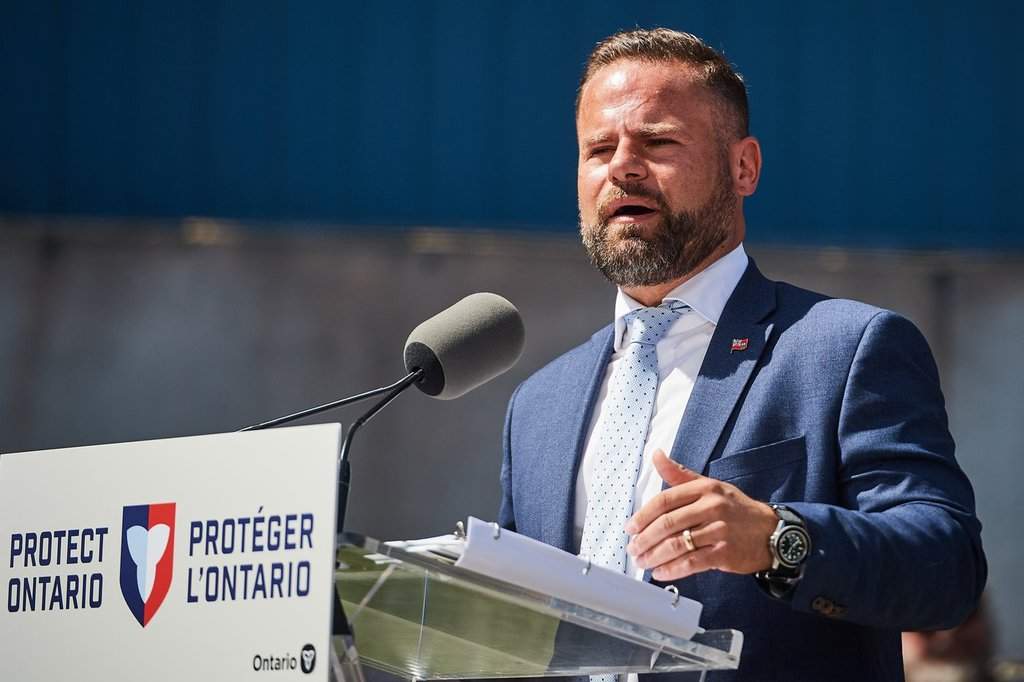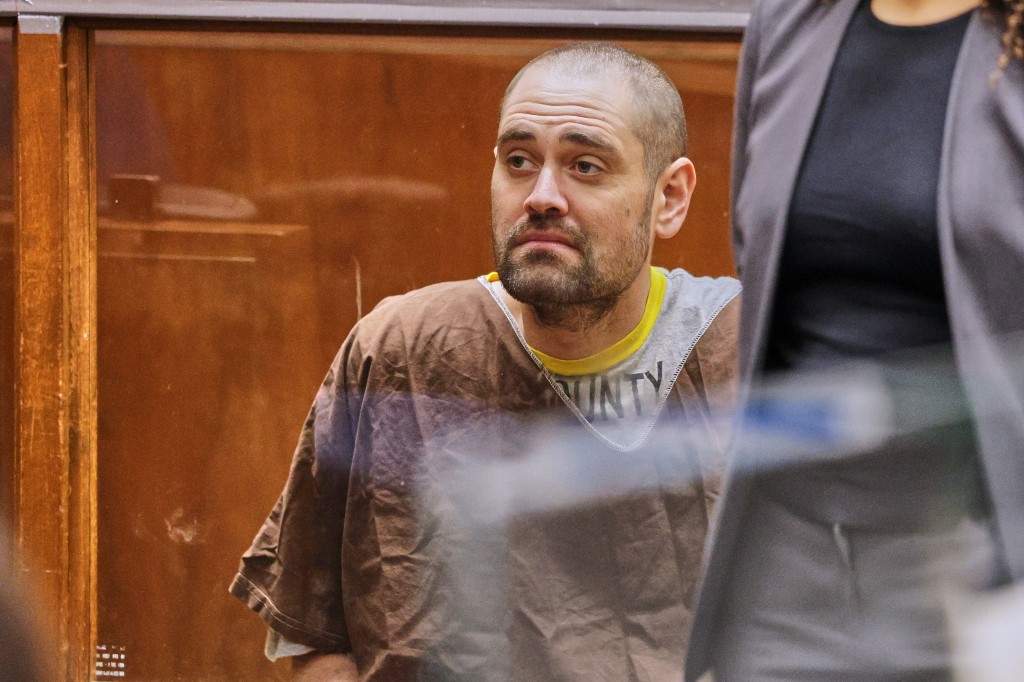
When Los Angeles County District Attorney Nathan Hochman announced that prosecutors wouldn't seek the death penalty against Nick Reiner, it marked a massive turning point in one of the most shocking murder cases Hollywood has ever witnessed. If you've been following the tragic December 2025 slayings of legendary filmmaker Rob Reiner and his wife, Michele Singer Reiner, this legal shift raises plenty of questions. Why take capital punishment off the table for a double homicide involving special circumstances like lying in wait?
Let's look past the headlines and break down the reality of where this high-profile case stands now.
Understanding the Decision
District Attorney Hochman made it clear after a thorough review involving family members, law enforcement, and senior prosecutors that the maximum sentence Nick Reiner will face if convicted is life in prison without the possibility of parole.
People often assume that dropping the death penalty means prosecutors have a weak case. That's not how it works. A grand jury indicted Reiner on two counts of first-degree murder with special circumstances—specifically alleging multiple murders and murder by lying in wait, alongside personal use of a knife. The evidence brought forward by investigators remains substantial.
Instead, this move reflects a broader legal and logistical calculation. California hasn't executed an inmate in over two decades, and Governor Gavin Newsom enacted a formal moratorium on the death penalty back in 2019. Pursuing a capital case drains immense public resources and triggers decades of automatic appeals, often with little practical outcome given the state's political and legal landscape. By locking in life without parole as the ceiling, the prosecution ensures a definitive outcome without getting bogged down in endless capital litigation.
The Financial Battle Behind Bars
While the criminal case moves slowly—with a trial unlikely to start before 2027—a parallel battle has been playing out over money. Nick Reiner was initially represented by high-profile defense attorney Alan Jackson. However, Jackson withdrew from the case early on, leaving Reiner represented by a public defender.
At the center of this shuffle is a $1.5 million trust fund established by his parents decades ago. Trustees have pushed back hard against giving Reiner access to the money, invoking California's "slayer statute", which generally prevents a killer from profiting off or inheriting from their victims. Legal teams have kicked the issue into mediation to determine whether any of those funds can legally pay for private defense representation or if they remain entirely locked away. For now, he remains held without bail, awaiting further pretrial motions regarding whether grand jury transcripts should be unsealed to the public or kept tightly confidential to protect surviving family members from added trauma.
What Happens Next in the Legal Process
High-profile celebrity cases always draw a circus of public speculation, but the mechanics of California criminal court move at a deliberate pace. With the death penalty off the table, both sides are settling in for a long road toward a trial that won't materialize until well into next year. The defense will likely lean heavily on mental health histories and background factors, while prosecutors focus on the airtight nature of the physical evidence and the grand jury indictment.
The tragedy has left the entertainment community and the Reiner family grappling with an unimaginable loss. As the legal machinery grinds forward, the focus shifts entirely to the courtroom arguments that will determine how accountability is served.
Prosecutors won't seek death penalty in Nick Reiner murder case
This news report covers the district attorney's official announcement regarding the decision to drop the death penalty in the Nick Reiner murder case.