Death Valley doesn't care who you are. It strips away your GPS, bakes your tires, and turns a simple detour into a lethal trap. A French tourist learned this the hard way when his vehicle became hopelessly stuck in the remote mud flats of Death Valley National Park. He didn't survive. It's a tragedy that happens far too often in one of the most punishing environments on Earth, yet drivers keep making the exact same fatal mistakes.
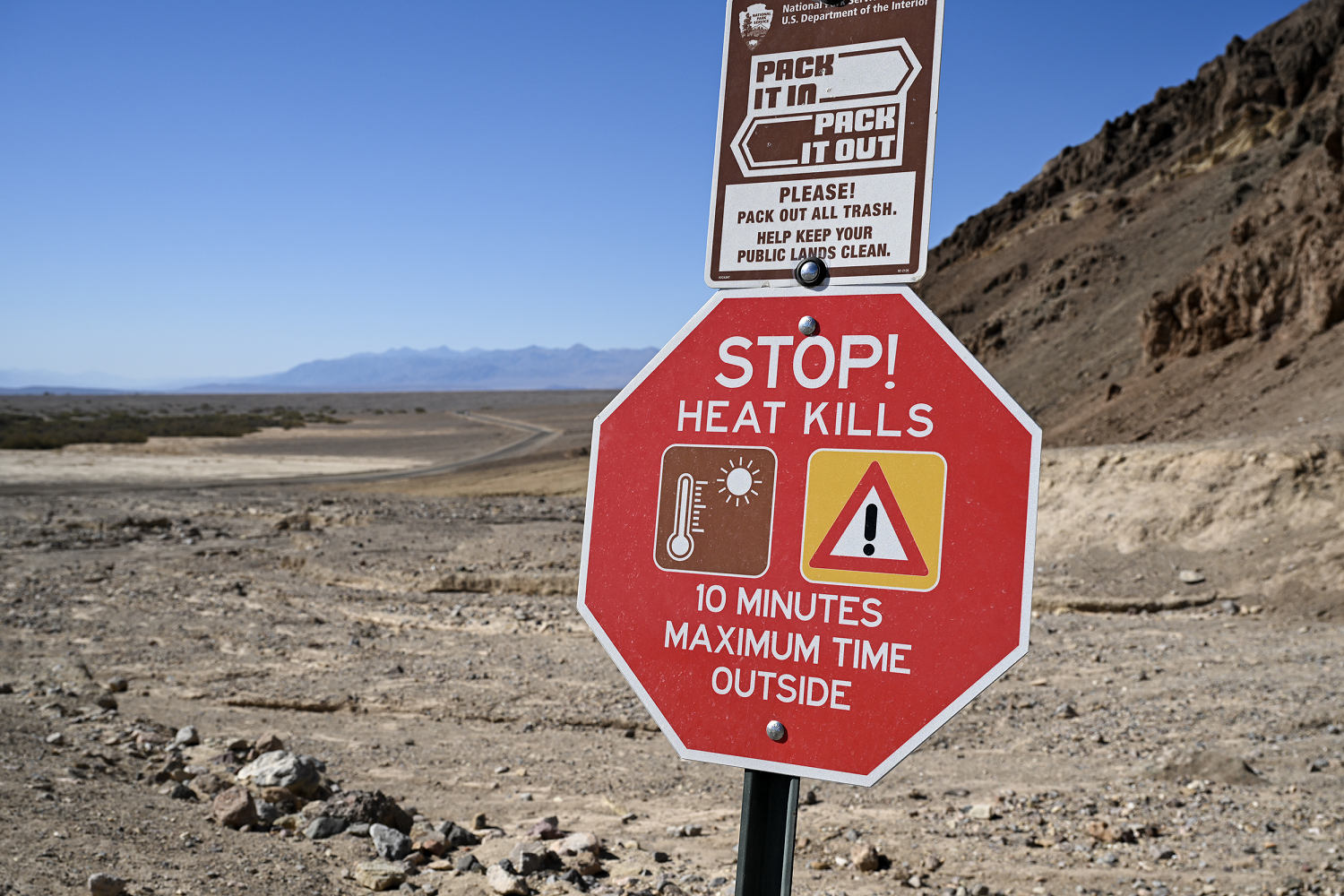
Most people think modern technology saves them. They trust a digital map application, assume cell service exists everywhere, and ignore physical warning signs posted at park boundaries. That digital reliance kills. When you venture into areas like the Racetrack Playa or remote maintenance roads, standard navigation apps routinely route drivers onto impassable dirt tracks. You lose traction, sink into salt flats or mud, and suddenly you're miles from civilization with zero water and triple-digit temperatures cooking the earth around you. You might also find this similar coverage interesting: The Price of a Paper Stamp and the Shadows Behind the Border.
Understanding the Trap of Remote Desert Terrain
The mechanics of getting stuck in Death Valley are deceptively simple. Summer temperatures regularly soar past 120 degrees Fahrenheit. If your vehicle breaks down or gets bogged down in mud or soft salt flats, walking out is practically impossible.
People underestimate how fast severe dehydration sets in. Within an hour of strenuous activity in extreme heat, your body can lose liters of water through sweat without you even realizing it. Confusion follows quickly. You stop thinking clearly. Walking away from a stranded vehicle is the single most common mistake doomed travelers make. Search and rescue teams will almost always spot a vehicle long before they spot a lone person wandering through miles of blinding salt flats. As highlighted in detailed reports by Lonely Planet, the implications are significant.
Park rangers preach a simple rule: stay with your vehicle. Your car acts as shelter from direct sunlight and makes a massive visual target for rescue aircraft. Yet panic takes over. When the air conditioning dies and the metal box turns into an oven, the instinct to escape overrules logic.
Why GPS Navigation Fails in the Wilderness
Silicon Valley engineers don't understand deserts. Mapping algorithms look for the shortest route between two points on a screen. They don't account for flash floods that wash out gravel roads, shifting sand dunes that swallow tires, or dried mud lakes that turn into sticky traps after rare winter or spring moisture.
If you type a remote destination into your phone while visiting the Mojave Desert, expect the software to try to kill you. Offline maps help, but they won't tell you the road ahead is a four-wheel-drive washboard hazard meant only for lifted high-clearance vehicles.
You need physical paper maps. You need to talk to rangers at the visitor center before heading down unpaved routes like the Badwater basin backroads or Titus Canyon. If a sign says impassable or recommends high clearance, believe it. Rental sedans don't belong on backcountry tracks.
Real Survival Rules for Extreme Environments
Surviving the desert requires brutal honesty about your limits and your equipment. Here is what actually keeps people alive when things go sideways.
- Pack at least one gallon of drinking water per person per day, plus extra for your vehicle's cooling system.
- Keep your gas tank above the half-full mark at all times. Distances between fuel stations in the park are massive.
- Turn off the air conditioning if your temperature gauge starts creeping upward on long, steep inclines like Towne Pass.
- Carry a dedicated satellite messenger or personal locator beacon. Cell towers are scarce to non-existent across millions of acres of federal parkland.
Death Valley demands respect. The landscape looks stark and beautiful from an air-conditioned viewpoint, but step off the pavement without a plan and the desert wins every single time. Check your maps, respect the weather, and never trust a routing app in the backcountry.