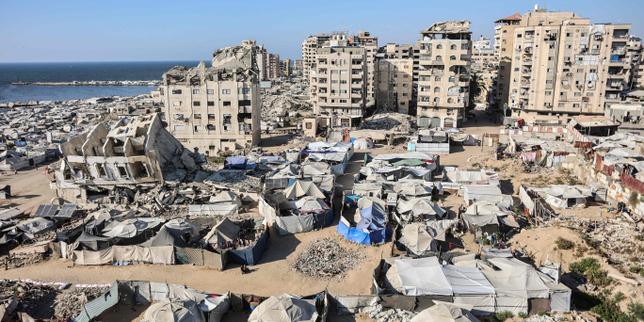
Journalism in Gaza is basically a death sentence right now. You don't have to look far for proof. On Saturday, an Israeli drone strike blasted a home in the Bureij refugee camp in central Gaza. The blast killed a local photographer named Ahmed Washah. He worked as a cameraman for Al Jazeera Mubasher, the live broadcast arm of the Qatar-based network.
It is a grim headline, but honestly, it is part of a much bigger, nastier picture. Recently making waves in this space: The Mechanics of Transactional Geopolitics Measuring Indias Strategic Leverage.
This isn't just one guy getting caught in the crossfire. Washah's death marks a staggering milestone for Al Jazeera, bringing the total number of its journalists and staff killed in Gaza since October 2023 to 12. If you want to zoom out even further, local media offices estimate that over 260 media workers have been killed over the same span. That makes this conflict the deadliest period for journalists in recorded modern history.
What makes this specific strike so devastating is the family history behind it. Just two months ago, Ahmed's brother, Mohammed Washah, was also killed. Mohammed was an Al Jazeera correspondent who died when a missile struck his car along the coastal road. Additional details on this are detailed by USA Today.
Think about that. Two brothers, both holding cameras, both working for the same network, killed in the span of weeks.
Two Entirely Different Stories
If you look at the official statements surrounding the strike, you will see two completely irreconcilable narratives. This is exactly where the modern information war gets messy.
Al Jazeera immediately condemned the attack, calling it a "heinous crime" aimed at silencing the press. They argue that targeting journalists is a systematic policy to stop the world from seeing what is actually happening on the ground in Gaza. The network is already demanding that international legal bodies step in to prosecute Israeli officials.
Then you have the Israel Defense Forces (IDF) side of the story. The military didn't deny the strike; they confirmed they targeted Washah on purpose. According to the IDF, Washah wasn't just a cameraman. They claim he was an active operative in Hamas's military wing, specifically working as a sniper. The military released a statement alleging that he spent recent months advancing sniper attack plans against Israeli troops. They leveled similar accusations against his late brother back in April.
This leaves the public stuck in a toxic loop of claims and counterclaims. Who do you trust when a camera operator is labeled a combat sniper?
The reality on the ground makes independent verification nearly impossible. Foreign journalists are banned from entering Gaza unless they are embedded with the Israeli military, meaning the world relies entirely on local Palestinian reporters to see what is happening inside the strip. When those local reporters are killed, our collective eyes on the ground go dark.
The Fragility of a Broken Ceasefire
This strike also highlights how fragile the current political situation is. Officially, a ceasefire has been in place since October 2025. But on the ground, that truce looks like total fiction.
The weekend of Washah's death saw a massive spike in violence across the territory. In Gaza City, an overnight strike hit an apartment building in the Sabra neighborhood, killing four members of the al-Safadi family—a husband, his wife, and their two young daughters. Relatives insisted the family had zero ties to any militant groups, echoing a tragic refrain that has become all too common.
According to Gaza Health Ministry data, violations of the ceasefire have resulted in more than 1,000 deaths since the truce was supposedly signed. It raises a brutal question: what good is a peace agreement if people are still being pulled from the rubble every single day?
For regular citizens trying to follow the news, the best next step is to diversify where you get your information. Don't rely on a single news feed or a single government's press releases. Compare regional reporting from outlets like Al Jazeera with international human rights watchdogs like the Committee to Protect Journalists (CPJ) or Reporters Without Borders. Look for independent data, watch for systemic patterns, and remember that in modern warfare, the truth is always the first thing targeted.