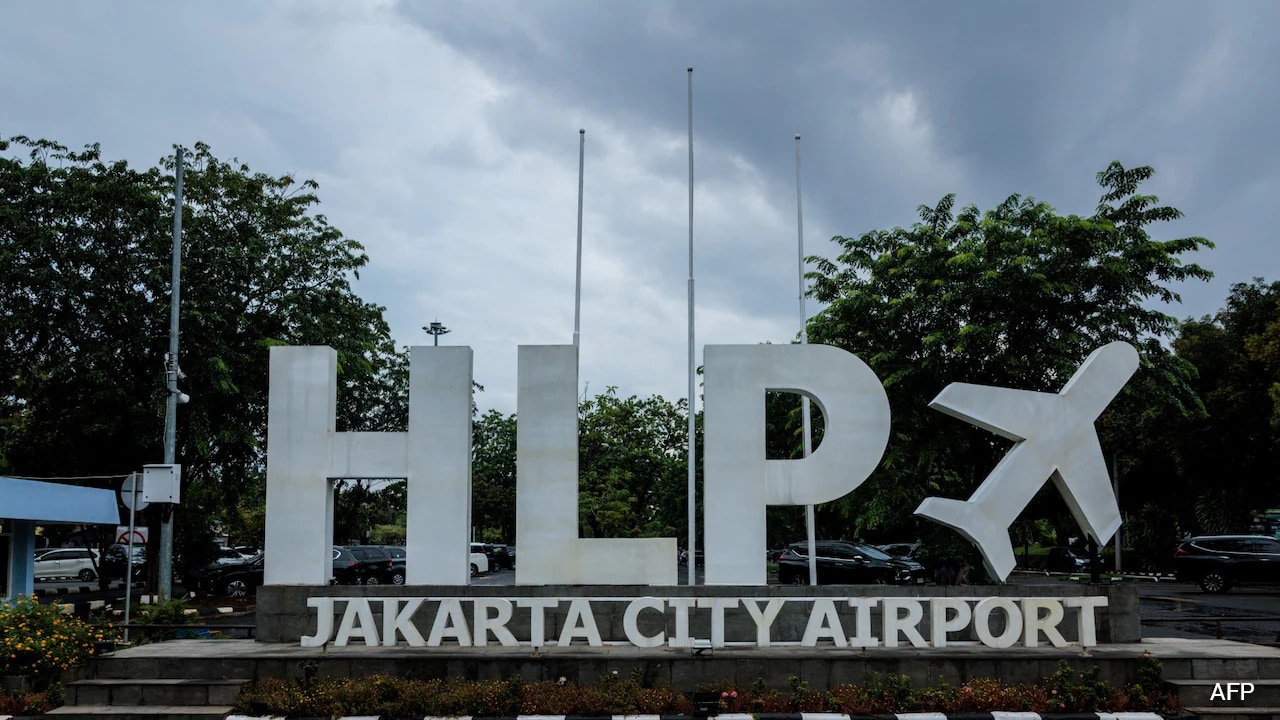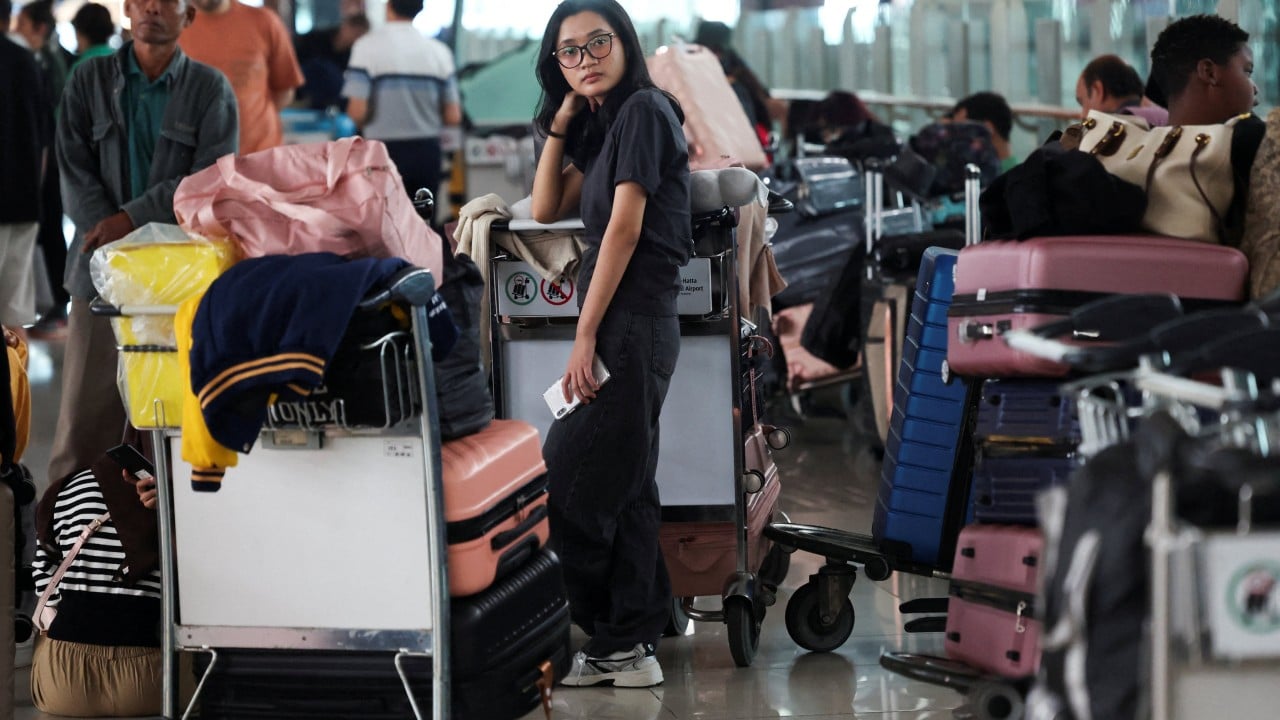
The coffee at the terminal was the bitter, lukewarm kind that tasted faintly of tin, but Maya gripped the paper cup with both hands anyway, craving the heat. Outside the fogged glass of the Jakarta airport departures lounge, the world was stuck in grayscale. For days, the air had carried the dry, metallic tang of pulverized stone. It was a strange kind of quiet. Not the quiet of an empty room, but the heavy, suffocating silence of a city holding its breath.
Thousands of miles above, invisible to the naked eye, the upper atmosphere was choked with microscopic daggers. Mount Ruang had torn itself open, coughing millions of tons of ash, glass, and sulfur high into the jet stream. To the casual observer sitting safely continents away, a volcanic eruption is a spectacular National Geographic broadcast, a mesmerizing pyrotechnic display of orange lava against a velvet night. To the person standing on the tarmac, it is an invisible cage.
Airports do not merely close; they lock down like wounded animals. When Mount Ruang erupted, it did not just disrupt flights. It severed lifelines.
Consider what happens when the sky becomes unnavigable. A jet engine is essentially a controlled furnace, sucking in air at massive volumes, compressing it, mixing it with fuel, and igniting it. The internal operating temperature of a commercial jet engine easily exceeds two thousand degrees Fahrenheit. The melting point of volcanic ash? About eighteen hundred degrees.
When a multi-million-dollar aircraft ingests an ash cloud, the microscopic glass particles enter the engine, melt in the blazing heat, and coat the turbine blades. Then, they hit the cooler rear stages, resolidify, and choke the airflow. The engine chokes. The flameout is swift, terrifying, and absolute. Flight British Airways Flight 9 learned this the hard way over Indonesia decades ago, plunging thousands of feet in the dark before its crew managed to restart their smothered engines. Aviation authorities remember. That is why when the ash falls, the planes stay parked.
Maya looked down at her phone. The screen flickered with red cancellation alerts. Her flight home had evaporated into thin air, joining hundreds of others across the archipelago. Indonesia is no stranger to this geological violence. Straddling the Pacific Ring of Fire, the nation dances daily on the edge of a restless tectonic fault line. Its people are preternaturally resilient, bearing the disruptions of nature with a stoic shrug that borders on grace. But resilience does not refuel a stranded family or clear a runway.
Down on the ground, the logistics of recovery are an intricate, exhausting dance between science and sheer grit. Airport authorities do not simply guess when it is safe to fly. They send up test aircraft equipped with specialized sensors to sniff the upper winds. Meteorologists map the plumes using satellite telemetry, tracking the drifting gray ghosts as they migrate across shipping lanes. Sweepers hit the runways, scrubbing abrasive grit from the asphalt grain by grain, because a single skid on volcanic dust during a landing roll can spell catastrophe.
For days, the terminals across the region turned into makeshift dormitories. Suitcases became pillows. Cardboard boxes doubled as sleeping mats. Strangers shared phone chargers and dwindling supplies of bottled water. In the corner of Gate 14, an elderly man stared fixedly at a departures board that stubbornly refused to change. Time lost its sharp edges. Hours dissolved into a murky, collective waiting game.
Then came the shift.
It did not happen with a fanfare. It arrived as a subtle whisper of wind from the south, sweeping the heavy, sulfurous shroud out toward the open ocean. Satellites confirmed the clearing lanes. The aviation ministry issued the green light.
Inside the terminal, a collective rustle swept through the exhausted crowd. Phones buzzed in unison. The departure board blinked, clicking mechanically as white letters spun into place, spelling out the magic word: On Time.
Maya watched as the ground crew marched out onto the tarmac in high-visibility vests, their faces smeared with the last traces of gray dust. They inspected the engines of the waiting Airbus, shining high-powered flashlights into the intakes, searching for any lingering trace of the mountain's wrath. Satisfied, the lead inspector gave a sharp, crisp thumbs-up.
Boarding began. There was no chaotic rush, just an orderly, grateful shuffling of weary travelers reclaiming their journeys. As the aircraft taxied down the newly cleared runway and lifted its nose into the morning air, Maya pressed her forehead against the cool window. Below her, the scarred peaks of Indonesia stood silent and majestic against the horizon, a humbling reminder of the earth's raw, unmitigated power, and the fragile, stubborn beauty of human connection that always learns how to fly right back through the ash.