Freezing.
That is the first sensation that registers when the lights die permanently. Not fear, though that arrives shortly after. Not anger, though that burns hot enough to keep you awake. Just the raw, biting cold of an Eastern European winter creeping through windowpanes reinforced with packing tape, turning every exhale into a plume of gray smoke inside your own living room. You might also find this connected story useful: The Whispers in Muscat That Might Just Save the World.
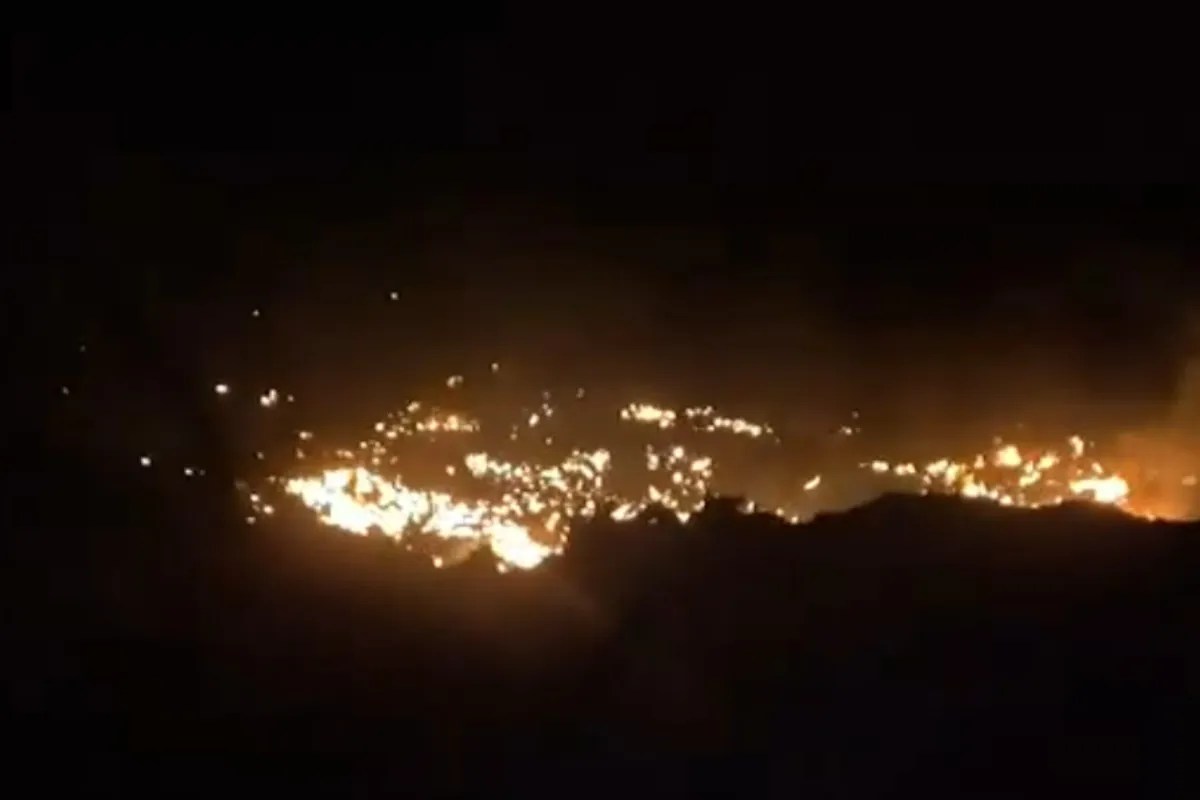
Outside, the snow falls silently over cities that used to hum with life, streetcars, and the chatter of crowded cafes. Today, those same cities listen to a different rhythm. The percussion of the drone overhead. The thunderous echo of a substation bursting into flame five blocks away.
Beneath the macro-level geopolitical headlines of high-stakes diplomacy, stalled peace talks, and shifting political winds in Washington, a brutal, low-frequency war of attrition is playing out on the transformers and power lines of ordinary families. Even as international pressure mounts from incoming administrations promising quick resolutions, the kinetic reality on the ground remains stubbornly, terrifyingly simple. Darkness is being weaponized. Transformers are primary targets. And heat is the most precious currency on earth. As discussed in recent reports by The Washington Post, the results are significant.
Consider what happens when a single high-voltage switching station takes a direct hit at two in the morning.
In a hypothetical apartment block in a contested region—though this scene repeats in variants from Kharkiv to Kryvyi Rih—a mother named Olena tucks her seven-year-old daughter into a nest of three wool coats and an extra duvet. The radiators stopped ticking hours ago. The water pipes in the basement are already forming internal needles of ice, expanding silently toward the moment they will rupture like glass.
Olena does not check her phone for news updates about foreign leaders negotiating ceasefires. She checks the battery percentage of a battered power bank she charged three days ago at a municipal warming tent. Her world has shrunk to the radius of a single LED lantern sitting on a kitchen table cluttered with half-burned candles and empty soup cans.
This is the invisible story behind the energy strikes. When headlines report that Russia and Ukraine are pressing on with infrastructure attacks despite external diplomatic pressure, those words mask a profound human toll. To a diplomat in a suit thousands of miles away, an energy grid is a chess board of supply lines, generation capacity, and strategic leverage. To the family huddled around a camping stove inside a freezing kitchen, the grid is oxygen.
The strategy behind these targeted bombardments is as old as siege warfare itself, updated with modern telemetry and long-range precision. By systematically dismantling power plants, subserving distribution nodes, and crippling natural gas storage facilities, the goal is not merely tactical disruption. It is psychological erosion. It is the calculated creation of an environment so inhospitable that the civilian population buckles under the weight of endurance.
Yet, the psychological outcome has defied the calculus of the planners. Instead of shattering societal cohesion, the constant assault has forged a grim, resilient solidarity. Communities establish subterranean routines. Bakeries run on industrial generators hidden behind concrete blocks. Neighbors share wood stoves and pool fuel.
History shows us that targeting civilian infrastructure rarely breaks a nation's resolve; instead, it hardens it into something unyielding. Think back to the Blitz, or the winter sieges of the past century. Human beings possess an astonishing, terrifying capacity to adapt to the intolerable. When you strip away the modern luxuries of instant connectivity, streaming media, and ambient central heating, you discover what remains at the core: raw survival instinct and an unyielding refusal to surrender one's home to the dark.
The irony of the current geopolitical moment is stark. While international intermediaries float grand blueprints for peace, arguing over territorial lines and security guarantees, the people living beneath the flight paths of cruise missiles know that peace is measured in degrees Celsius. A diplomatic breakthrough means nothing if you freeze to death tonight.
This is why the energy strikes persist with such grim momentum. For the side launching the drones, disabling the grid is a desperate attempt to force a diplomatic capitulation before winter breaks. For the side defending their land, enduring the dark is the only option left to keep sovereignty intact. Each missile strike is a physical manifestation of a diplomatic deadlock, translated into fire and ash on the transformer yards.
By morning, the snow outside Olena’s window reflects a pale, weak winter sun. The power has not returned. She boils a small pot of water over the blue flame of her camping gas canister, careful to conserve every drop of fuel. Her daughter wakes up, rubs her eyes, and asks when the lights will come back on.
Olena looks out the frosted window toward the skeletal remains of the power plant on the horizon, where repair crews are already climbing frozen metal towers in the biting wind, risking their lives to string copper back together against impossible odds.
She smiles, wraps her daughter tighter in the wool coat, and tells her the truth without the sugarcoating.
Soon, my love. Soon.
And somewhere out there, in the bitter cold between the lines of war and diplomacy, the work of mending the broken world begins again.