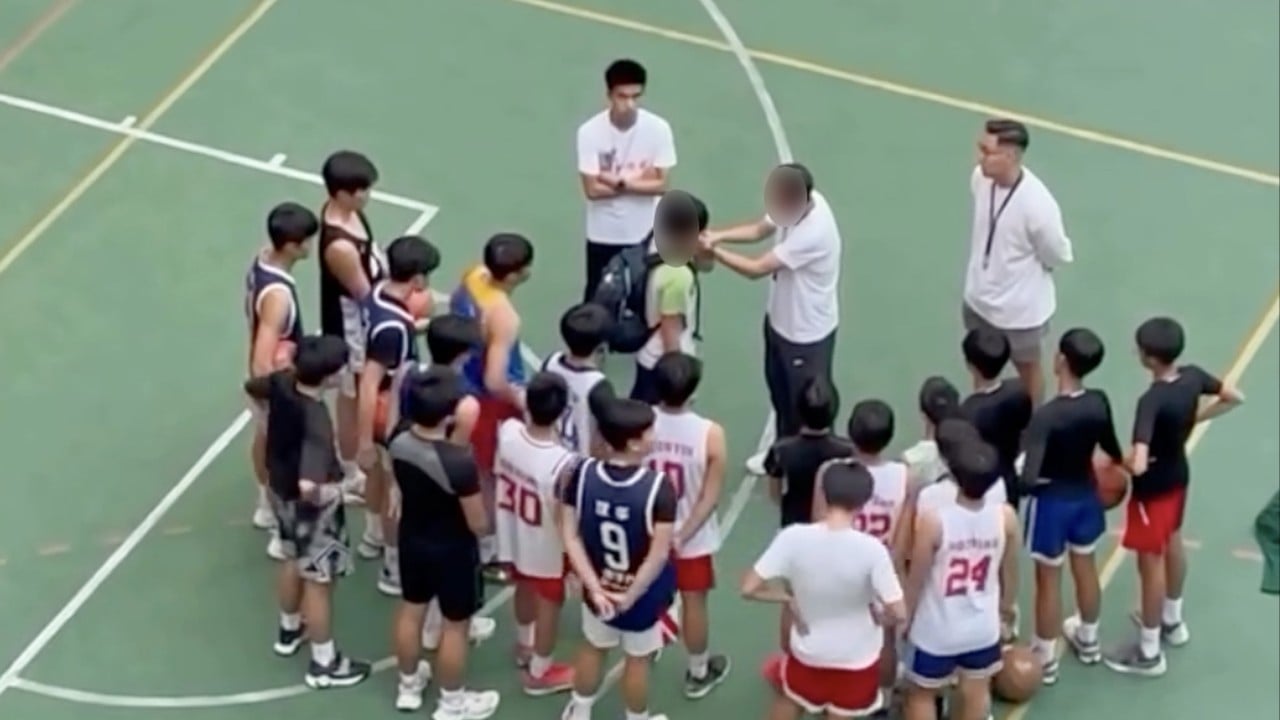
A viral video capturing a youth basketball coach slapping a young player and demanding self-inflicted punishment is not an isolated incident of coaching passion gone wrong. It is a predictable symptom of a deeply broken youth sports culture. For decades, the youth sports complex has operated with minimal oversight, relying on private clubs, volunteer boards, and independent organizations to police themselves. When physical and emotional abuse occurs on the court, the immediate public reaction focuses on the individual perpetrator. The real crisis, however, sits within the structural systemic failures that allow abusive adults unchecked access to vulnerable children.
To understand how a coach reaches the point of striking a child during a game, one must look at the unchecked power dynamics embedded in modern competitive youth athletics. If you found value in this article, you might want to read: this related article.
The Myth of Tough Love and the Normalized Pipeline of Harm
Physical violence in youth sports rarely starts with a slap on camera. It begins with a slow erosion of boundaries under the guise of building mental toughness. Coaches who cross the line frequently rely on a historical blueprint of authoritarian instruction. For generations, old-school coaching methods equated fear with respect and psychological degradation with motivation.
This culture creates a dangerous power imbalance. Parents desperately chase athletic scholarships or elite placement for their children. They willingly surrender authority to coaches who promise results. This desperation creates an environment where warning signs are ignored. A coach yells a little too loudly, isolates a player, or demands excessive physical punishment during practice. Parents look away because they believe this discomfort is the price of admission to elite competition. For another angle on this development, see the recent coverage from Bleacher Report.
When the abuse escalates to physical assault, the community is shocked. They should not be. The pipeline from intense motivation to physical humiliation is short, straight, and heavily traveled.
The Mirage of Governance and Accountability
The public assumes that organizations like SafeSport or national governing bodies maintain a watchful eye over every local gymnasium and soccer field. They do not. The youth sports ecosystem is fragmented into thousands of independent leagues, private academies, and travel teams that operate entirely outside of federal or collegiate oversight.
Consider the typical structure of a regional youth basketball club. It is often registered as a private LLC or a small non-profit. The board of directors frequently consists of the head coach’s friends, business partners, or select parents whose children receive preferential treatment. If a parent complains about abusive behavior, the complaint does not go to an independent human resources department. It goes directly to the person who profits from the club's existence.
[Youth Sports Club Structure]
   │
   ▼
[Club Owner / Head Coach] ◄─── (Controls playtime and scholarship paths)
   │
   ├─► [Parent Board] ─── (Often conflicted or passive)
   │
   └─► [The Players] ─── (Vulnerable to unchecked authority)
Even when background checks are mandatory, they only catch individuals with existing criminal records. They do not flag the volatile temperaments, predatory manipulation, or emotional instability that precede physical violence. A clean background check is a baseline safety measure, not a guarantee of ethical behavior.
The Financial Incentives for Silence
Youth sports is a multi-billion-dollar industry driven by tournament fees, private training sessions, and apparel contracts. This commercialization creates an economic incentive to protect winning coaches, regardless of their methods.
When a coach builds a reputation for winning championships, their club attracts top talent. High enrollment means higher revenue. If that coach abuses a player, the club faces a massive financial risk if they terminate the coach. Expelling a winning coach often means losing sponsorships, elite players, and the prestige that keeps the business afloat.
Consequently, institutions choose internal mitigation over public accountability. They issue private reprimands. They suspend the coach for a single weekend tournament. They convince the victim’s family that a public scandal will ruin the child's future athletic prospects. The machinery of youth sports is designed to protect the investment, not the athlete.
The Psychological Aftermath of Athletic Humiliation
The damage inflicted by an abusive coach extends far beyond temporary physical pain. When an authority figure forces a child to experience public humiliation, it distorts the child's understanding of boundaries, consent, and self-worth.
Children naturally look to adults for cues on how to navigate stress and conflict. When a mentor uses violence, the child learns that power dictates morality. They internalize the belief that abuse is a valid tool for achieving goals. This trauma manifests as severe anxiety, depression, and a complete abandonment of athletics. Millions of children quit sports every year, not because they lost interest in the game, but because they could no longer tolerate the toxic environments created by adults.
Rebuilding the System From the Ground Up
Fixing this crisis requires looking beyond the immediate outrage of a viral video. Firing one abusive coach does nothing to fix the systemic lack of oversight that allowed them to hold a whistle in the first place.
True reform demands independent, mandatory reporting structures for all youth sports organizations, regardless of size or affiliation. If a club wants to rent a public facility or participate in sanctioned tournaments, they must submit to external auditing. Parents must stop viewing coaches as infallible pathfinders to a professional career and start viewing them as educators who must be held to strict professional standards.
The whistle must be blown on the entire structure of youth athletics. Until independent oversight replaces self-regulation, the court will remain a place where vulnerable children are sacrificed for adult egos and financial gain.