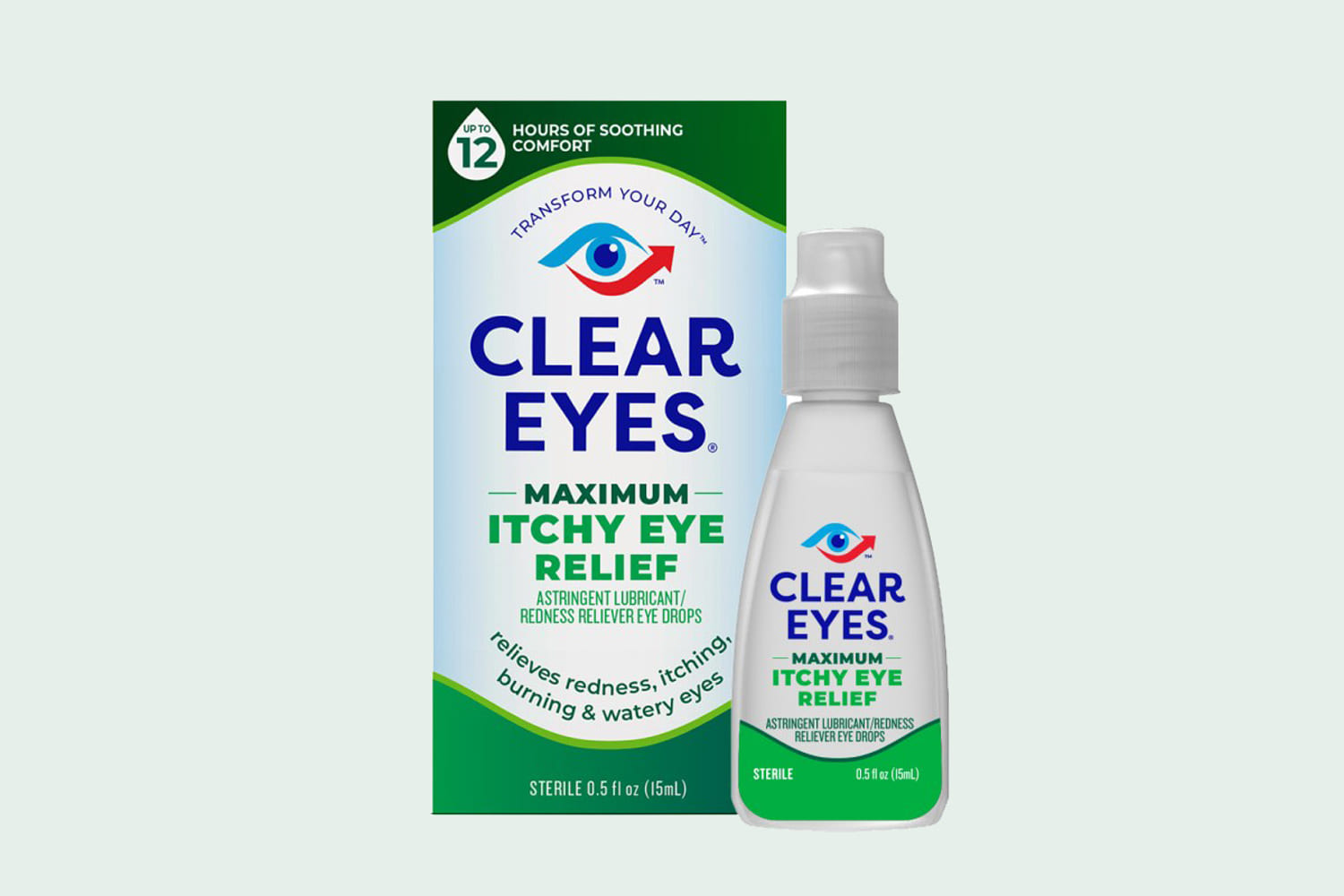
You grab a bottle of over-the-counter eye drops to soothe that annoying morning redness, never thinking for a second that the tiny plastic container might harbor dangerous bacteria.
It sounds like a plot from a medical thriller. But it happens in real life, and recent regulatory warnings prove that your medicine cabinet might hold a silent hazard. When federal health regulators flag eye drop recalls, people tend to shrug it off until an infection hits close to home.
Let us break down why these safety alerts happen, how to spot a recalled product, and what you need to do right now to protect your vision.
The Hidden Dangers Inside Unsterile Manufacturing
Most people assume that anything sold in a pharmacy or big-box store undergoes rigorous, bulletproof testing. That assumption is flat-out wrong.
When the Food and Drug Administration steps in to issue a mandatory recall for ophthalmic solutions, they usually trace the problem back to microbial contamination found during routine facility inspections. We are talking about drug-resistant bacteria or fungal strains that slip past lax quality controls in foreign manufacturing plants.
When you introduce contaminated liquid directly into your eye, you bypass your body's natural defense barriers. Your tear film washes things away, sure, but a direct hit of pseudomonas aeruginosa or other aggressive pathogens can overwhelm the surface of your eye in hours.
I remember talking to a pharmacist friend who shook his head while looking at a recall notice. People treat artificial tears like water, he said. They don't realize that an unpreserved or improperly sterilized multidose bottle turns into a petri dish remarkably fast.
Spotting the Signs of a Contaminated Product
You cannot spot bacteria with the naked eye. The liquid in a recalled bottle usually looks, smells, and feels entirely normal. That makes the threat insidious.
Regulators rely on lot numbers, brand names, and UPC codes to separate safe products from hazardous ones. If you buy generic store-brand lubricants alongside name-brand options, check the packaging carefully.
Here are the critical warning signs to watch for if you have used any questioned ophthalmic products recently:
- Sudden eye pain or discomfort that does not fade
- Thick yellow or green discharge leaking from the eye
- Blurry vision that persists past the initial blur of applying the drops
- Increased sensitivity to bright lights
- Redness that worsens rather than improves
If you notice any of these symptoms after using a recently purchased product, stop using it immediately. Call an optometrist or ophthalmologist right away. Bacterial keratitis moves fast, and waiting a day can mean the difference between a simple antibiotic drop and permanent vision loss.
What Regulators Look For During Facility Audits
The Food and Drug Administration does not issue recalls on a whim. Inspectors descend on manufacturing plants when adverse event reports start ticking upward.
If a cluster of patients develops severe infections after using a specific brand of lubricating drops, epidemiologists connect the dots. They pull samples from store shelves, trace them back to the production line, and test the water systems, air filters, and mixing vats at the factory.
Time and again, audits reveal fundamental hygiene failures. A broken seal, a compromised sterilization cycle, or improper preservative levels create an open invitation for opportunistic microbes.
Manufacturers bear the ultimate responsibility. Yet, corporate supply chains stretch across multiple continents, making oversight difficult. By the time inspectors catch a bad batch, millions of units may already sit in bathroom cabinets across the country.
How to Protect Your Vision Today
You don't have to stop using eye drops altogether, but you do need to change how you handle them. Blindly trusting commercial packaging is a gamble you shouldn't take.
Check the current Food and Drug Administration recall database whenever a new health advisory drops. Look past the flashy brand names and verify the exact lot numbers printed on the crimp of the tube or the bottom of the carton.
Throw away any open bottle of eye drops after thirty days, even if the expiration date says otherwise. Once the safety seal is broken, bacteria from your fingers or eyelids can migrate inside the tip. Never touch the dropper tip to your eye, your fingers, or any other surface. Wash your hands thoroughly with soap and water before every single application.
If you use prescription drops for glaucoma or severe dry eye, talk to your eye doctor before throwing anything out. They can confirm whether your specific batch is affected and provide a safe alternative so you never miss a dose.
Protecting your sight requires constant vigilance. Do not wait for an infection to force you to pay attention to what you put into your body.