The headlines are carbon copies of a tired script. Cuba releases a few thousand prisoners. The media credits "international pressure" or a "thaw in relations." Washington pats itself on the back for a diplomatic job well done.
It is a lie. In similar news, we also covered: The Sabotage of the Sultans.
If you think the release of 2,010 prisoners is a sign of a regime softening under the weight of U.S. sanctions, you are falling for the oldest trick in the Havana playbook. This isn't reform. It’s inventory management.
The Myth of the Diplomatic Breakthrough
Mainstream reporting suggests that the Cuban government is finally "listening" to the Biden administration or reacting to the crushing weight of the embargo. This perspective assumes the Cuban leadership is reactive. They aren't. They are tactical masters of the "revolving door" policy. USA Today has also covered this important subject in extensive detail.
For decades, the Castro-Díaz-Canel lineage has used human beings as liquid assets. When the economy tanks or the electricity grid fails—as it has spectacularly this year—the regime needs a pressure valve. They release non-violent offenders and a handful of political dissidents to buy a few weeks of positive PR and, more importantly, to signal to the European Union and the U.S. that they are "open for business."
The math is simple. Release 2,000 today. Arrest 2,000 tomorrow. The net freedom on the island remains zero.
The "Good Will" Illusion
The competitor's narrative focuses on the 2,010 individuals as a gesture of "mercy" ahead of a papal visit or a diplomatic summit. Let’s get real.
Cuba has one of the highest incarceration rates per capita in the world. Releasing 2,000 people in a system that holds tens of thousands is like draining a thimble from an overflowing bathtub.
- Fact: Most of these "pardons" apply to people who have already served the majority of their sentences.
- Fact: The regime specifically excludes anyone they deem a threat to "state security."
- Fact: It costs money to house and feed prisoners in a country where the state cannot even provide bread to the populace.
This isn't a human rights win. It’s a cost-cutting measure disguised as a moral epiphany. The regime is offloading the burden of feeding these people onto their families, who are already starving.
Why the U.S. Embargo is a Paper Tiger
The "lazy consensus" dictates that U.S. pressure forces these concessions. This is fundamentally flawed. If the embargo actually worked, we wouldn’t be watching the same cycle repeat for 65 years.
I’ve spent years analyzing Caribbean trade flows and political stability. The embargo doesn't squeeze the regime; it provides them with a permanent excuse for systemic failure. Every time the Cuban government releases prisoners, they do it to manipulate the "engagement" faction in D.C. They play the White House like a fiddle, offering crumbs of "progress" in exchange for the hope of relaxed travel restrictions or remittances.
Imagine a scenario where the U.S. completely lifted the embargo tomorrow. The Cuban government would panic. Why? Because they would lose their primary scapegoat. Without the "Yankee blockade" to blame for the lack of fuel, medicine, and food, the regime would have to face its own citizens without a shield.
The pardons are a distraction from the fact that the Cuban state is currently a failed enterprise surviving on Russian oil and Chinese credit.
The People Also Ask (and Get Wrong)
"Does this mean political prisoners are finally going home?"
Hardly. The bulk of these releases are for common crimes—theft, minor drug offenses, or "pre-criminal dangerousness." The high-profile dissidents, the ones who actually challenge the Communist Party's monopoly on power, usually stay behind bars until they can be traded for a high-value asset or used as a bargaining chip in a major treaty.
"Is Cuba becoming more democratic?"
No. A pardon is an act of sovereign whim, not a rule of law. If the government can let you out at their leisure, they can put you back in with a snap of their fingers. Real democracy requires the abolition of the laws that put these people in jail in the first place—specifically those targeting "enemy propaganda" or "socialist contempt."
The Cold Reality of the 2,010
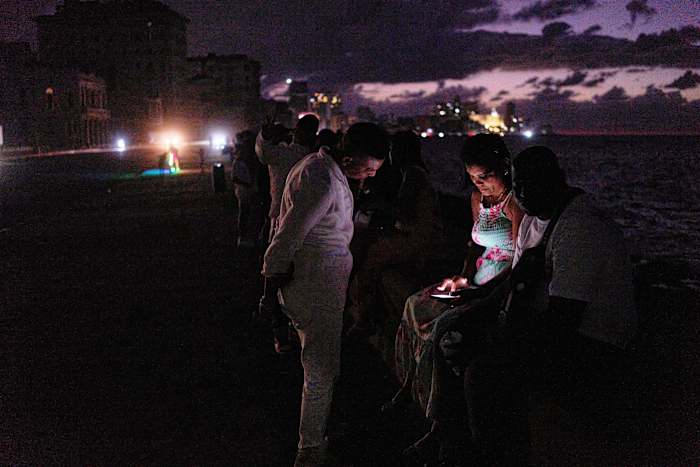
Let’s look at the timing. Cuba is currently facing its worst economic crisis since the Special Period of the 1990s. The tourism industry is a ghost of its former self. Inflation is triple-digit. The youth are fleeing to Nicaragua and the Florida Straits in record numbers.
In this context, 2,010 prisoners are a drop in the ocean. The regime is clearing bed space. They are anticipating more civil unrest as the lights stay off and the grocery shelves stay empty. By "clearing out" the non-violent wing of the prison system, they make room for the protesters they know they will have to arrest next month.
It is a cynical, mathematical preparation for the next wave of repression.
Stop Rewarding the Bare Minimum
The international community loves a "progress" story. We want to believe that the world is getting better. This optimism makes us easy marks for authoritarian branding.
When we celebrate these releases, we validate the regime's right to have taken them hostage in the first place. We accept the premise that freedom is something the state can grant or revoke based on a diplomatic calendar.
The real story isn't that 2,010 people are leaving prison. The real story is that millions of Cubans are still trapped in an open-air prison, waiting for a government that has spent six decades perfecting the art of the hostage exchange.
If you want to help Cuba, stop cheering for the release of prisoners and start demanding the dismantling of the penal code that criminalizes dissent. Anything less is just helping the regime manage its optics.
The Cuban government didn't grow a conscience. They ran out of food and needed a headline. Don't give them the satisfaction of believing you bought it.