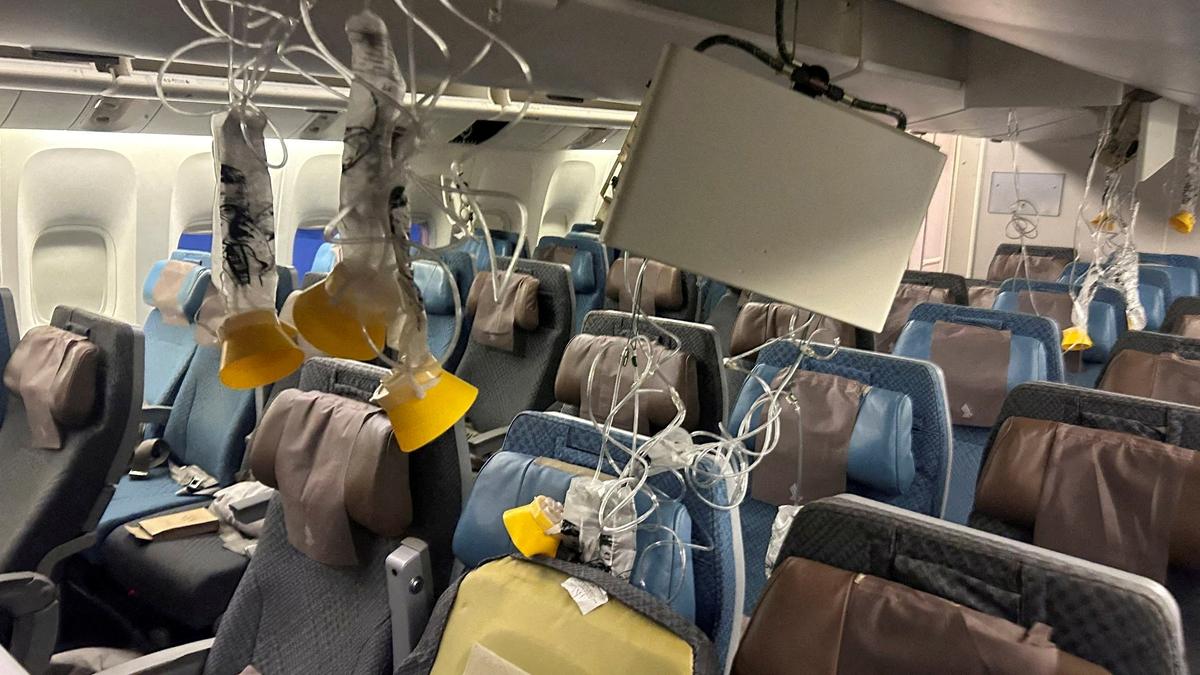
The dream vacation just turned into a biological nightmare for thousands of passengers. Right now, a massive evacuation is underway on a cruise ship after health officials confirmed a hantavirus outbreak on board. This isn't your typical bout of seasickness or a standard Norovirus flare-up. We're talking about a virus that's usually associated with rural cabins and rodent droppings, not luxury decks and midnight buffets.
If you're wondering how a virus from mice ended up on a multi-million dollar vessel, you aren't alone. It’s a massive failure of sanitation protocols. Most people think of cruises as sterile environments, but they're basically floating cities. When one thing goes wrong with the supply chain or the internal maintenance, the whole system collapses. Meanwhile, you can explore similar stories here: The Map That Lives in the Bones.
The evacuation started early this morning. Passengers are being moved off the ship in coordinated groups, but the process is slow. It’s chaotic. People are scared. They should be. Hantavirus isn't something you just "walk off" with some ginger ale and rest.
Why Hantavirus on a Cruise Ship is a Total Disaster
Hantavirus Pulmonary Syndrome (HPS) is severe. According to the CDC, it has a mortality rate of around 38%. That’s a terrifying number compared to the seasonal flu or even the early days of other viral outbreaks. You get it by breathing in "misted" virus from rodent urine, droppings, or saliva. To see the complete picture, check out the recent report by The Points Guy.
On a cruise ship, the ventilation system is the culprit. If a single storage area in the bowels of the ship becomes infested with infected mice, the HVAC system can potentially distribute those particles across several decks. You aren't just touching a dirty railing; you're breathing the air.
I’ve seen how these ships operate behind the scenes. The turnaround time between voyages is razor-thin. Crews have just a few hours to scrub the entire ship before the next 3,000 people board. When you rush that process, things get missed. A small rodent problem in a dry-goods storage room can explode into a fleet-wide grounding in days.
The Symptoms Most People Ignore
One of the biggest problems with this specific outbreak is that the early symptoms feel like everything else. You get a fever. Your muscles ache, especially in your hips and back. You feel tired.
On a cruise, you might blame that on too much sun or a long day of excursions. But with hantavirus, the "honeymoon phase" of the illness ends abruptly. Within four to ten days, the respiratory distress kicks in. Your lungs start filling with fluid. At that point, you aren't looking for a doctor on the ship; you need an ICU.
The Logistics of a Mass Evacuation at Sea
Moving thousands of people off a contaminated vessel isn't as simple as lowering the lifeboats. You have to worry about cross-contamination. Public health officials are currently screening every single person as they disembark.
The ship is currently docked, and the "red zone" areas are completely sealed off. Passengers are being put into tiered categories based on their proximity to the suspected source of the outbreak. If you were on Deck 4 near the primary galley, you’re looking at a mandatory quarantine period in a shoreside facility.
What the Cruise Line Isn't Telling You
They’ll talk about "safety being the top priority." They'll offer future cruise credits. But honestly, the real story is about the supply chain. Most hantavirus cases in these environments trace back to contaminated shipments. If the ship took on a load of grain or linens from a warehouse with a rodent infestation, they brought the virus on board themselves.
The cruise industry is incredibly tight-lipped about their pest control logs. You won't see those in the glossy brochures. But after this, expect a massive overhaul in how port authorities inspect cargo before it even touches the gangway. This is a PR disaster, but it’s also a massive legal liability.
How to Protect Yourself on Future Cruises
I'm not saying you should never cruise again. That’s an overreaction. However, you need to change how you interact with the ship's environment. The days of assuming everything is "hospital-grade clean" are over.
First, check the CDC Vessel Sanitation Program (VSP) scores before you book. They actually track things like insect and rodent sightings. If a ship has a score below 85, don't get on it. It’s that simple.
Second, pay attention to the air. If your cabin smells musty or like "dirty socks," don't just spray some perfume. Report it. Demand a room change or an inspection of the filters. It sounds paranoid until you realize that your life literally depends on the air quality in that small box.
Real Steps to Take Right Now
If you were recently on a cruise and feel "flu-ish," don't wait. Tell your doctor exactly where you were. Mention hantavirus by name. Most doctors in urban areas don't even have this on their radar because it’s so rare in cities. You have to be your own advocate.
The cruise line will likely try to settle these claims quickly. Don't sign anything until you've had a full medical workup. Hantavirus can have long-term effects on lung function that might not show up the day you walk off the ship.
The Reality of the Cruise Industry in 2026
We’ve seen a lot of "once in a lifetime" health events lately. The industry keeps saying they've learned their lessons, but the drive for profit often outweighs the slow, tedious work of deep cleaning. This hantavirus event is a wake-up call for every traveler who thinks a high ticket price equals total safety.
The evacuation will likely take another 24 hours to complete. After that, the ship will go into a "dark" period for weeks of professional remediation. If you have a trip booked on this vessel in the next three months, start looking for a refund now. Don't accept a rebooking on the same ship. It takes a long time to truly clear a biological hazard of this scale.
Pack your own sanitizing wipes. Wash your hands constantly. Stay away from the buffet if the staff isn't actively monitoring the stations. It’s a different world for travelers now, and the "relaxed" vibe of a cruise doesn't mean you can let your guard down.
Monitor your health for at least three weeks after returning from any sea voyage. If you develop a cough or shortness of breath, get to an emergency room immediately. Early intervention is the only reason the survival rate isn't even lower than it already is.