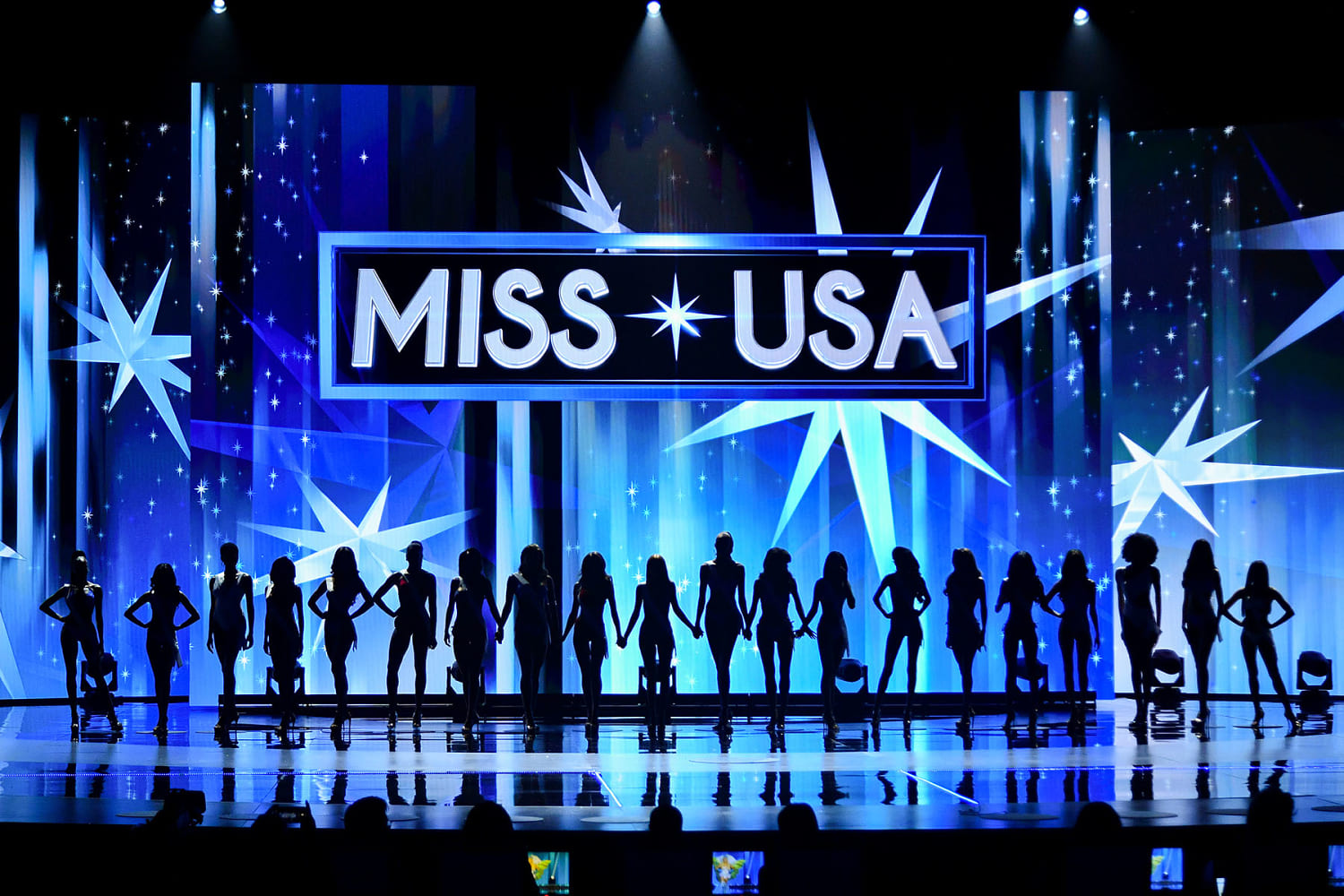
The crown was sitting on her head for barely two months before the digital archaeology department tore it off. Brittany Boltinhouse thought she had secured her ticket to the national stage when she won the Miss North Carolina USA title in June, preparing to represent the state at the 75th annual Miss USA pageant in Miami. Then came the inevitable reckoning of the modern era. A trail of archived internet footprints from 2017 to 2019 surfaced on regional blogs like NCBeat, exposing a sequence of posts under an old username featuring repeated usage of anti-Black slurs. By Wednesday, A Blaize Productions, the state-level franchise holder, formally dethroned her.
The machinery of modern pageantry reacts with clockwork predictability to these digital autopsies. An official statement was issued. Consultations happened behind closed doors with the national office. Thom Brodeur, president and chief executive officer of Miss USA, stepped forward to state that the organization tolerates no language that strips human dignity. First runner-up Myla Hadley was quickly elevated to take her place. The crown moved to a new head, the press cycle spun its rotations, and everyone pretended that this is an isolated glitch in an otherwise pristine system. Meanwhile, you can read other events here: The Structural Failure of Electoral Screening Mechanics in Contested Regions.
It is not a glitch. It is the core architecture of the institution collapsing under the weight of its own historical contradictions.
The Archaeology of Omission
Pageant organizations love to talk about vetting processes. They speak in hushed, reverent tones about background checks, character interviews, and the rigorous cultivation of civic role models. Yet, any investigator who has spent more than five minutes looking at how state pageants operate knows the truth. The vetting process is largely cosmetic. It consists of a standard background check for criminal records, a brief social media scroll of active profiles, and a prayer that skeletons remain deep inside the closet until the state contract is fulfilled. To see the full picture, check out the detailed article by Reuters.
When a contestant like Boltinhouse deletes an old alias or changes a handle years before stepping onto a regional stage, traditional compliance checks rarely catch it. Automated scrapers miss burner accounts or alternate handles. Local directors are incentivized to fill slots, sell tickets, and project an image of untarnished glamour. Digging too aggressively into a front-runner's digital past before coronation night is bad for business.
The structural flaw lies in the mismatch between institutional messaging and grassroots reality. Pageants continue to market themselves as finishing schools for moral excellence, anchoring their identity in a mid-century ideal of feminine perfection. But the contestants themselves grew up in the Wild West of late-2010s social media culture, where anonymity and edge-lord irony were currency. When those two worlds collide, explosion is guaranteed. The institution is selling an impossible purity while drawing its talent pool from a generation shaped by digital recklessness.
The Corporate Calculus of Damage Control
Watch how quickly a multi-million-dollar brand distances itself the moment a liability materializes. Organizations like Miss USA live in absolute terror of corporate sponsor flight. A single major brand pulling its funding because a state titleholder used explicit racial slurs years prior can destabilize an entire seasonal rollout.
This explains the whiplash speed of the dethroning. Brodeur noted publicly that Boltinhouse offered an apology, but correctly observed that remorse does not undo systemic harm or alter the immediate optics. True enough. However, the corporate swiftness of the execution serves a dual purpose. It protects the bottom line while creating a convenient illusion of moral evolution.
Consider the language used by A Blaize Productions in their official statements. They leaned heavily into the language of modern therapeutic corporate speak, noting that "grace and accountability can coexist" while maintaining that they must uphold strict standards. It is a masterpiece of PR engineering designed to achieve two contradictory goals. They want to appear compassionate enough to avoid looking tyrannical, yet ruthless enough to satisfy the outrage mob on social media.
Beneath this corporate theater lies an uncomfortable operational reality. State directors are independent or semi-independent franchise operators. They buy into a system that trades on the prestige of the national brand. When a scandal hits, the local franchise absorbs the immediate reputational shrapnel, while the national office steps in to issue high-minded edicts from above. It is a decentralized liability model wrapped in centralized moral authority.
The Expendable Pawn
The real human cost of this cycle gets lost between the Instagram statements and the news alerts. Behind the titles, the sashes, and the forced smiles are individuals navigating an industry that encourages them to project an air of untouchable perfection while offering zero structural support for the psychological toll of public exposure.
When a contestant falls, she falls alone. The sponsors vanish. The social media accounts lock down or disappear. The local directors pivot immediately to the runner-up, dusting off the crown for the next person in line as if the previous occupant never existed. Myla Hadley steps into the spotlight under a cloud of controversy that has nothing to do with her own actions, forced to carry the weight of a damaged state banner onto the national stage.
This is the cyclical nature of modern pageantry. It thrives on conflict, controversy, and eventual redemption arcs. Every scandal generates free media attention for a dying television and streaming format that desperately needs cultural relevance to stay afloat. If nobody is talking about the pageant, it ceases to exist. If everyone is talking about a dethroning, it trends nationwide.
The leadership knows this. The producers know this. The public consumes it like fast food, demanding fresh scandals and immediate public executions to satisfy a collective appetite for accountability without structural change.
The crown remains heavy, not because of the rhinestones glued to the metal, but because it is constantly being salvaged from the wreckage of a system built on feet of clay. Until the industry stops pretending its contestants are manufactured angels and starts confronting the actual culture from which they emerge, the throne will remain vacant in spirit long before the next sash is ever handed out.


