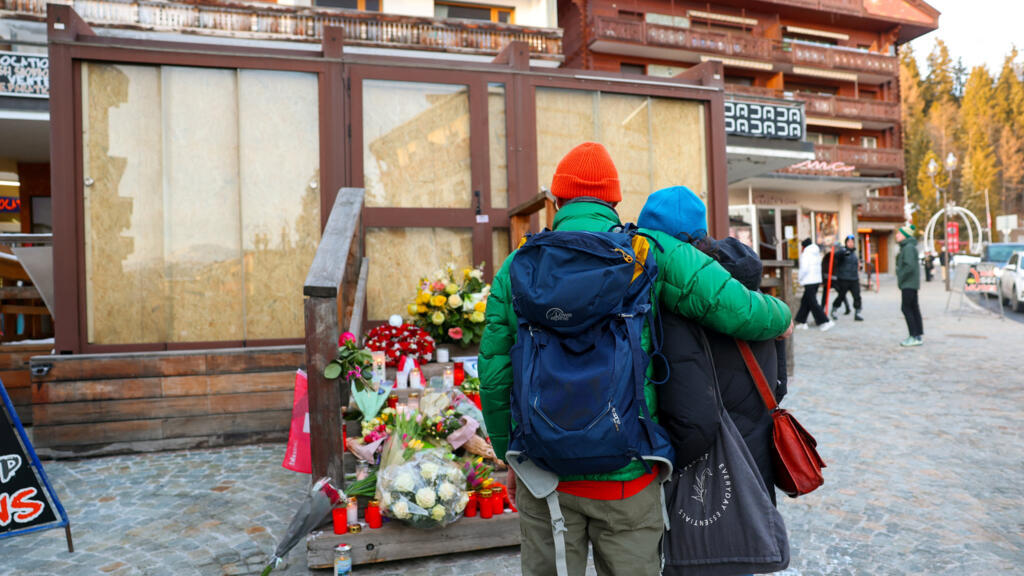
Forty-one people are dead because a bar in one of Switzerland’s most prestigious ski resorts operated without a valid safety permit for six years. That’s the brutal reality behind the fire in Crans-Montana. While the world looks at the charred remains of a popular après-ski spot, the local government is busy playing the "I didn't know" card. Nicolas Féraud, the mayor of Crans-Montana, recently claimed he had no idea there was a massive safety lapse leading up to the tragedy. It’s a defense that feels thin when you consider that local authorities are literally paid to know these things.
When a fire rips through a crowded venue and claims dozens of lives, "unaware" isn't an excuse. It’s an admission of a systemic breakdown. The investigation into the blaze has pulled back the curtain on a terrifying level of negligence in a country usually famous for its precision and strict adherence to rules. This wasn't a freak accident. It was a ticking time bomb built on a foundation of expired paperwork and ignored inspections.
The Six Year Gap in Public Safety
For over half a decade, this establishment served drinks, hosted parties, and packed in tourists without a confirmed safety check. Think about that. Six years. In that time, kids grew up, governments changed, and thousands of people danced in a building that hadn't been cleared by fire marshals.
Swiss law is typically rigid. If you want to build a shed in your backyard, you’ll face a mountain of bureaucracy. Yet, a high-capacity bar in a major tourist hub managed to slip through the cracks since 2020. The mayor's stance is that the administrative services didn't flag the issue to his office. He’s essentially blaming the "machine" of local government for failing to send an alert.
But leadership means being responsible for the machine you're running. You can't just enjoy the tax revenue from a booming tourism industry and then distance yourself when the lack of oversight results in a morgue full of visitors. The bar was operating under a "tolerated" status, a legal gray area that should never exist for high-occupancy nightlife venues.
Why the Unaware Defense Fails the Victims
Victims' families aren't buying the administrative error narrative. When you lose a loved one because a building lacked proper exits or working sprinklers, hearing a politician say they weren't informed feels like a slap in the face.
Experts in Swiss municipal law point out that the responsibility for public safety usually rests squarely with the local executive branch. The mayor’s office oversees the departments that issue these permits. If a department fails to perform its duty for six consecutive years, that points to a culture of complacency at the top.
Local residents in Crans-Montana are starting to ask tough questions. How many other buildings are currently operating under "tolerated" status? Is this fire an isolated incident of bad luck, or is it the first of many disasters waiting to happen? The bar itself was a known hotspot. It wasn't some hidden, underground speakeasy. It was a prominent part of the resort's social fabric.
Breaking Down the Swiss Permit System
Switzerland uses a decentralized system for building and fire safety. Each canton has its rules, but the municipality—the commune—is usually the front line.
- The building owner submits a safety plan.
- Fire inspectors visit the site to verify exits, materials, and alarms.
- A permanent operating license is granted only after a successful inspection.
- Periodic reviews are supposed to happen every few years.
In this case, the chain broke at the very first link. The bar had been undergoing renovations and changes that required new inspections. Those inspections never reached a conclusion. Instead of shutting the doors until the building was proven safe, the doors stayed open.
This isn't just about one bar. It’s about the "provisional" culture that lets businesses operate while they "fix" minor issues. Only, in fire safety, there's no such thing as a minor issue. A blocked door or a faulty wire is the difference between a fun night out and a national tragedy.
The Financial and Political Fallout
Crans-Montana depends on its reputation as a safe, luxury destination for the global elite. This fire destroys that image. Wealthy tourists don't go to the Swiss Alps to worry about whether the bar they're in is a fire trap.
The legal consequences here are going to be massive. We're looking at potential criminal negligence charges, not just for the owners of the bar, but potentially for the officials who allowed it to stay open. Swiss prosecutors are currently digging through years of emails and paper trails to find out exactly who signed off on the "tolerated" status and why.
If I were a business owner in Valais right now, I’d be checking my permits twice. The political pressure on the mayor is mounting. Calls for his resignation are growing louder as more details about the six-year gap come to light. You can't lead a town and then claim you're a bystander when the town's safety infrastructure collapses.
What Needs to Change Immediately
The Swiss government needs to stop allowing "tolerated" operations for any business with a capacity of more than 50 people. If the safety check isn't done, the power gets cut. It’s that simple.
We also need a centralized, digital tracking system for permits that isn't dependent on a single clerk in a small-town office. A red flag should have popped up in a database three years ago. The fact that it didn't proves that the current system is archaic and dangerous.
For those traveling to ski resorts, the lesson is grim. Don't assume that a high price tag or a fancy location equals safety. If you're in a venue and you don't see clear, illuminated exit signs, or if the place feels dangerously overcrowded, leave. Don't wait for a permit that might not even exist to protect you.
The investigation continues, but the damage is done. Forty-one lives are gone. No amount of administrative reshuffling or public apologies from the mayor’s office will bring them back. The only way to honor those victims is to strip away the "unaware" excuse and hold every level of the chain accountable for what happened in that bar.
Check your own local business registrations if you're a commercial landlord. Ensure your fire certificates are current and visible. Don't let a "provisional" status become a permanent liability. If you're a patron, look for the occupancy limit signs near the entrance. If they aren't there, the venue is already cutting corners. Get out before the music stops.