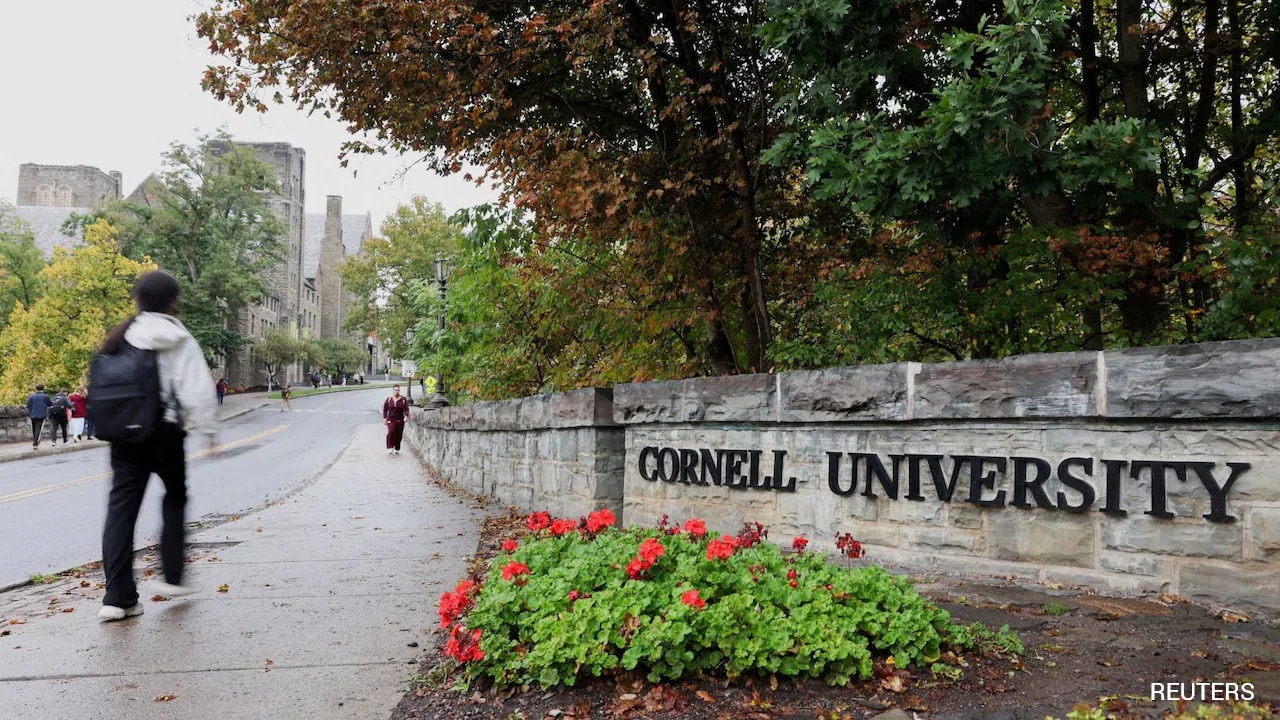
The air on Ho Plaza in Ithaca is rarely neutral. In late autumn, it carries the sharp bite of wind sweeping down from the Finger Lakes, catching students by the collar, stinging the eyes, and driving hurried feet toward the warmth of lecture halls. But on a Tuesday afternoon that felt heavier than the weather warranted, the motion stopped.
Footsteps fell silent. Voices lowered.
Hundreds of people—students, faculty, community members—gathered not to rush to a class, but to anchor themselves against a collective grief. They carried signs hand-lettered in permanent marker, bearing words that should never have to be written on poster board: We Believe Jane Doe. Safety is a Right. No More Silence.
To understand the weight of that day at Cornell University, you have to look past the stone architecture of the Ivy League. You have to look at the invisible architecture of trust that sustains any community, and what happens when that trust fractures.
Imagine walking across that same campus at midnight. The streetlights cast long, shivering pools of yellow over the slate walkways. For most, it is simply the walk home after a long night at the library. For others, it is an exercise in hyper-vigilance. Keys gripped between knuckles. Footsteps measured. The constant, quiet calculation of risk.
That calculation changed for many when the details surrounding a case known only as "Jane Doe" began to ripple through the student body. Details of an alleged sexual assault on campus, followed by what students perceived as institutional sluggishness, administrative opaqueness, and a deafening quiet from the offices tasked with keeping them safe.
Silence breeds suspicion. Suspicion breeds fear. And fear, when shared by thousands of young adults living side-by-side in residence halls and cramped apartments, eventually transforms into a singular, undeniable roar.
The rally was born from that roar.
It was organized swiftly, driven by student activist networks that mobilized through group chats, frantic late-night meetings, and whispered conversations in dining halls. They weren't just protesting an individual incident; they were confronting an entire climate. They were asking a question that haunts universities across the globe: When a student is broken by violence within our walls, whose side does the institution protect—the person or the brand?
Standing on the steps of Day Hall, the administrative heart of the university, speakers took turns gripping the microphone. Their voices cracked, then steadied. They spoke not with academic detachment, but with the raw, vibrating energy of people who felt deeply exposed.
"We are tired of reading statements that offer sympathy without accountability," one student organizer said, her voice cutting through the cold wind. "We are tired of being told to trust a system that feels like it was built to protect everyone except the person standing right here."
The crowd murmured in fierce agreement. Heads nodded. Tears dried quickly on cold cheeks.
In any community of this scale, institutional bureaucracy is a massive, lumbering machine. It operates on legal advice, liability assessments, Title IX compliance protocols, and public relations strategies. To a university lawyer, caution is paramount. Every word released to the press must be weighed against legal exposure. Every investigation must follow rigid, slow-moving tracks to ensure due process.
But to a nineteen-year-old student sitting in a dorm room, staring at the ceiling at 3:00 AM, that bureaucracy feels entirely different. It feels like a wall. It feels like an enemy.
This is the eternal friction of modern institutions. The legal imperative clashes directly with the human need for immediate validation, safety, and transparent justice. When a survivor comes forward, they are stepping onto a tightrope suspended over an abyss of public scrutiny, social alienation, and administrative exhaustion. If the safety net beneath them is perceived as stiff and procedural rather than warm and protective, the fall is catastrophic.
The Cornell anti-rape rally was a physical manifestation of that tension. It was an insistence that human empathy must precede legal maneuvering.
As the speeches concluded, the crowd didn't instantly disperse. They lingered. They formed small circles, talking in hushed tones, trading contact information, forming support webs that the university administration could never formally legislate into existence. Strangers became allies. Grief became solidarity.
In the days that followed, the banners came down from Ho Plaza. The campus returned to its frantic academic rhythm—preliminary exams, research papers, coffee lines at Mann Library, the endless pursuit of futures.
Yet, the echo of those footsteps remained in the stone.
Institutions do not change overnight because of a single afternoon of raised voices. Change is a slow, grinding process of policy revisions, resource allocations, and cultural shifts. But the students who stood on those steps did not expect an immediate miracle. They understood something fundamental about power: it only listens when it can no longer pretend not to hear.
The wind still sweeps down from the Finger Lakes, catching students by the collar and driving them across the campus quads. But beneath the routine of university life, something shifted in Ithaca that Tuesday. A line was drawn in the slate. A community looked at one of its own, looked at the cold machinery around them, and decided that silence was no longer an option.