You can smell the stagnation before you even reach the windows.
It smells like damp cardboard, old electrical wire, and the faint, unmistakable ghost of cheap synthetic carpet baking under decades of fluorescent glare that went dark years ago. Walk down the high street today, and you will inevitably find it. The dead zone. The massive, multi-story brick-and-mortar carcass that used to be the beating heart of the Saturday morning ritual, now reduced to a boarded-up monument of economic inertia.
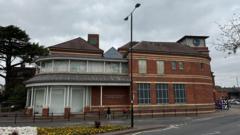
Take the former British Home Stores site, known locally and with weary familiarity as the BHS building. For anyone who grew up watching the town center shift from a bustling community hub to a quiet corridor of shuttered facades, this isn't just real estate. It is an open wound.
To understand why this derelict structure matters, you have to remember what it used to hold.
The Architecture of Memory
Decades ago, buildings like this were anchors. They were heavy, permanent things designed to weather economic storms. People did not simply shop there; they navigated their lives around them. Meet you by the escalator. Pick up the curtains on the third floor. The retail floor was a microcosm of civic life.
When the corporate collapse happened, it was swift and brutal. Thousands of jobs vanished into administrative paperwork. Creditors picked at the bones. And then, the doors locked for the last time.
That was supposed to be a temporary pause. We told ourselves that another retail giant would step into the shoes, paint the walls a brighter shade of corporate white, and roll the metal security shutters back up.
Months turned into years. The windows grew thick with a gray film of dust.
Consider what happens next in a town left holding a vacant anchor. It is a slow-motion unraveling.
The Ripple Effect of Abandonment
Empty buildings do not just sit there doing nothing. They actively drain the life from everything around them.
When a multi-thousand-square-foot behemoth goes dark, foot traffic evaporates. The independent coffee shop two doors down, the family-run bookstore across the lane, the busker who used to set up his amp near the side entrance—they all feel the drop in gravity. People do not wander down a dead block. They walk past it with their heads down, accelerating their pace, eager to reach the parts of the city that still pulse with light and activity.
Local councils call it urban decay. Business owners call it a slow bleed.
The physical structure itself becomes a magnet for decay. Water finds a way through a compromised flat roof, rotting the internal timber frames. Pigeons take up permanent residence, turning the upper-story loading bays into biohazards. Shuttered doorways turn into makeshift shelters for the unhoused when winter nights bite hard.
It is a continuous nightmare for the residents whose bedroom windows look out across the narrow street at those blank, plywood-covered panels. Every morning, they wake up to a monument of failure.
And yet, the property sits there. Why?
The Tangled Web of Modern Real Estate
To the casual observer, the solution looks simple. Tear it down. Build flats. Put in a park. Anything is better than a gaping hole in the urban fabric.
Reality is rarely that clean.
Modern commercial real estate is often held not by local visionaries, but by complex webs of offshore investment funds, pension portfolios, and absentee landlords who bought the title deed as a line item on an overseas spreadsheet. To them, the building does not need to generate retail revenue today. It simply needs to sit on the books as an asset while tax loopholes and holding strategies dictate its timeline.
Bureaucracy moves at the speed of glacier drift. Planning permissions clash with historic zoning laws. Heritage preservation groups argue over facades while the structural integrity crumbles from within.
Meanwhile, the community waits.
We have allowed our town centers to become casualties of a speculative property market that values abstract financial yield over actual human habitat. A high street is not a stock portfolio. It is a shared living room. When you board up the biggest chair in the room, the whole house feels cold.
Finding the Way Forward
Change rarely arrives from the top down. It happens when local communities refuse to accept ugliness as the default setting.
In some towns, residents are bypassing the absentee landlords altogether through sheer force of collective imagination. Pop-up art installations transform grimy plywood hoardings into sprawling canvas murals. Community land trusts are lobbying governments to use compulsory purchase orders, wresting control of dead assets back from foreign funds and handing them over to cooperative housing projects or green civic spaces.
The solutions exist. They require political spine, legal creativity, and a fundamental shift in how we view the spaces we share.
We cannot afford to let the concrete ghosts of the past dictate the shape of our future. Every shuttered window is a challenge thrown down to the people who still live, work, and dream in these streets.
The lights inside the old building may be out. But the street outside is still ours.