The tragic disappearance and subsequent death of three-year-old Noah Woods in Brantham, Suffolk, catalyzed an unprecedented localized mobilization. Beyond the immediate operational mechanics of the search and rescue deployment, the incident exposed distinct patterns in modern collective trauma response, decentralized crowd coordination, and rapid philanthropic capitalization. Analyzing the trajectory from initial missing person reports to a six-figure crowdfunding benchmark reveals core structural truths about how hyper-local communities process catastrophic shocks.
The first variable in this dynamic is the speed of informational diffusion matched with spatial proximity. When a vulnerable child goes missing from a defined geographic perimeter, the physical search space acts as an immediate attractor for civic engagement. Over a thousand volunteers mobilized within hours, driven by evolutionary proximity heuristics and regional identity. This decentralized volunteer network operated without formal tactical command structures initially, relying instead on peer-to-peer social media amplification and physical saturation of alleyways, rail lines, and perimeter water hazards.
The structural failure point in such searches typically lies in perimeter containment and water hazard identification. In this instance, the child—who was non-verbal, partially deaf, and undergoing autism assessments—gravitated toward an open boundary and a nearby water body. The subsequent inquest revealed that a physical gap in a playground fence served as the point of egress. This highlights a critical municipal design vulnerability: recreational infrastructure abutting natural hazards often lacks fail-safe physical redundancies. Standard risk management requires dual-barrier containment systems for child-centric public spaces, yet municipalities frequently rely on single-line wooden or metal fencing that degrades over time or features structural gaps.
As the operational phase transitioned from search to recovery, the vector of community energy shifted from physical mobilization to financial solidarity. Organized by the Good Dads Club, a local Colchester-based fatherhood collective, an online crowdfunding campaign was initiated to absorb the financial shock experienced by the family. The economic velocity of this campaign defied standard fundraising decay curves. Within twenty-four hours, contributions surpassed fifty thousand pounds; within days, the total exceeded one hundred thousand pounds across more than six thousand individual transactions.
This rapid capitalization demonstrates the mechanics of parasocial empathy in digital communities. When a localized tragedy is broadcast nationally and regionally through digital news networks, it triggers a widespread psychological need for agency among observers who cannot physically participate in search operations. Financial contribution functions as a proxy for physical presence. Donors exchange capital to alleviate cognitive dissonance and localized powerlessness, effectively outsourcing their grief and desire to assist into a centralized economic fund.
Furthermore, the involvement of regional institutions, such as professional football clubs laying wreaths and wearing black armbands, serves an institutional stabilizing function. High-status civic actors validate the collective trauma, transforming a localized tragedy into a shared regional milestone of mourning. This institutional recognition prevents community atomization, channeling grief into formal rituals of remembrance.
The strategic takeaway from this event centers on infrastructure resilience and rapid-response philanthropic architecture. Municipalities must audit all play spaces adjacent to open water for structural boundary flaws, implementing failsafe containment zones. Simultaneously, grassroots civic organizations must recognize that digital trust networks can mobilize emergency financial relief at institutional scales within hours, bypassing traditional bureaucratic charity channels entirely when immediate family stabilization is required.
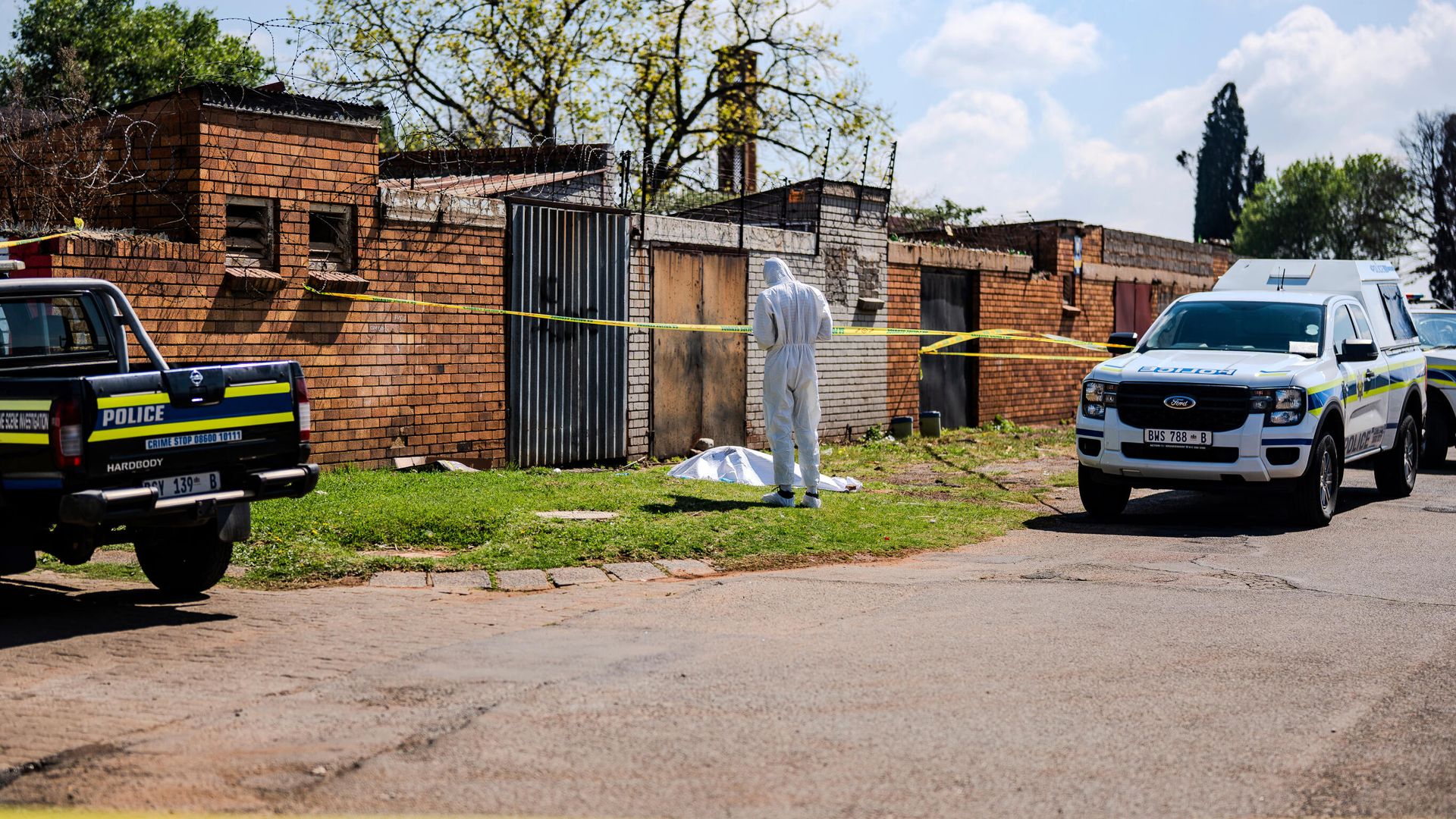
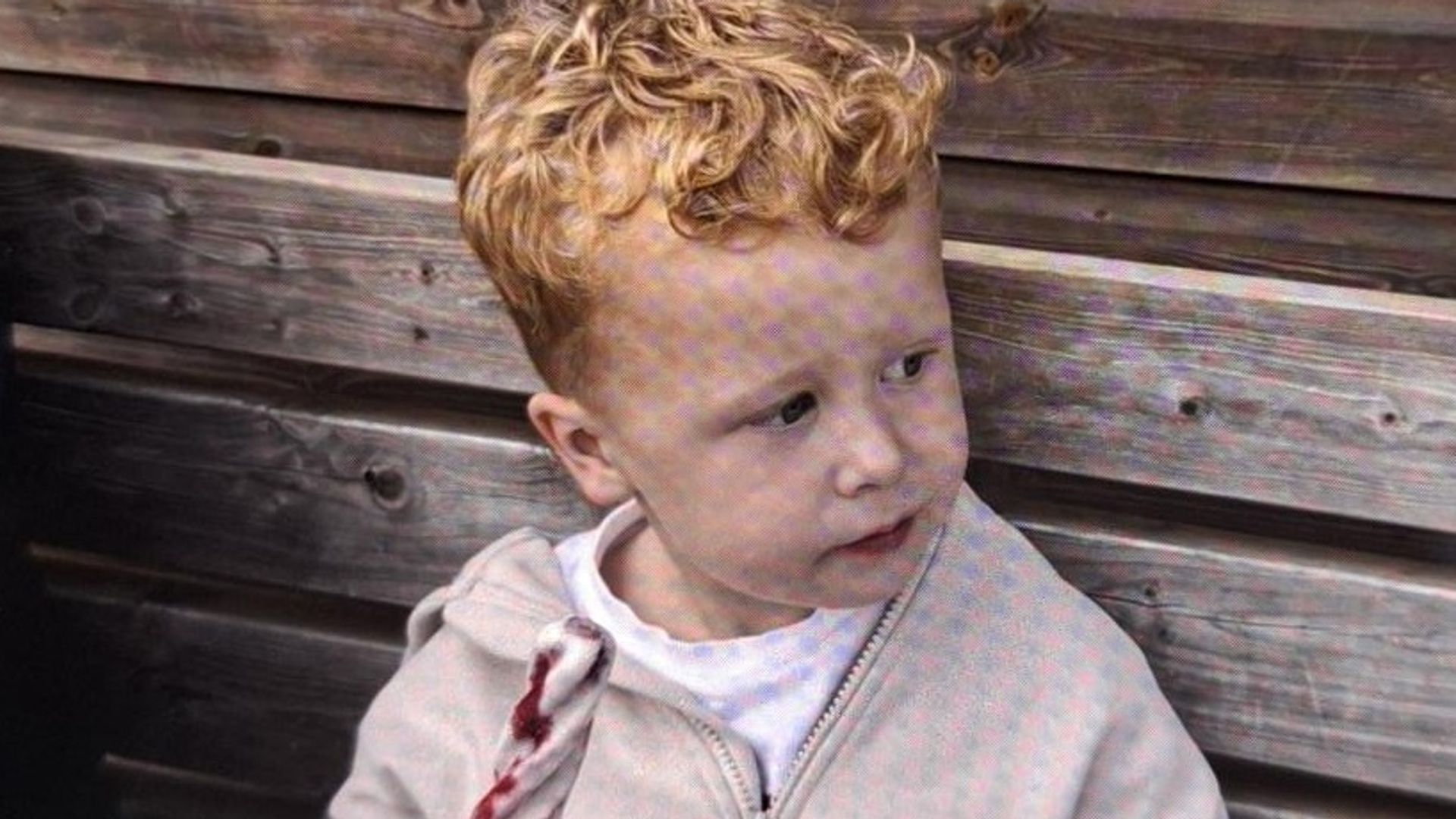
Police confirm a body has been found in the search for missing three-year-old Noah
This video provides news coverage of the police updates and the community search efforts that unfolded during the disappearance of Noah Woods.