When 14 railcars hop off the track right in the middle of town, panic is usually the default reaction.
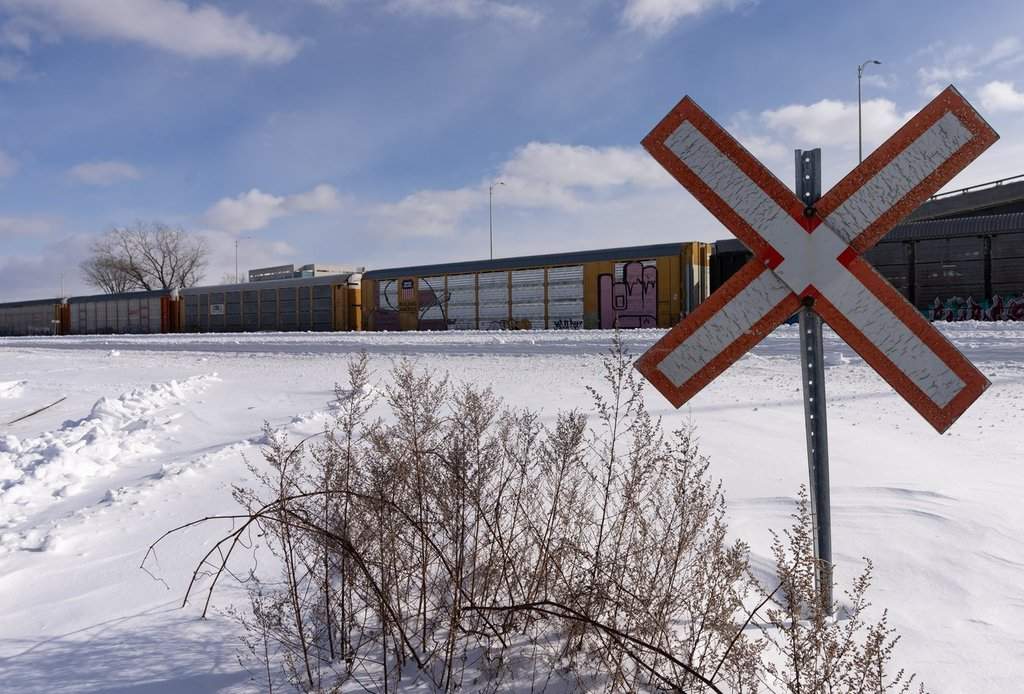
That's exactly what happened around 5:30 p.m. on Saturday in Truro, Nova Scotia, when a Canadian National Railway freight train derailed near the busy Queen Street crossing. Images of blocked intersections and emergency responders rushing to the scene naturally set off alarm bells. But despite how bad it looked on local traffic feeds, officials confirmed early Sunday that there's no danger to public safety.
No fires started. No injuries occurred. And most importantly, there were no toxic spills pouring into the community.
Here is what actually went down on the tracks, why hazardous material warnings didn't trigger an evacuation, and what recovery operations look like on the ground.
What Happened at the Queen Street Crossing
The derailment happened right during late afternoon weekend traffic. Fourteen CN railcars slipped off the rails, coming to a halt in an upright position right across the Queen Street crossing.
Because the cars stayed upright rather than tipping over or piling up violently, the structural integrity of the freight containers remained intact.
Truro Police Service and Truro Fire Service responded right away, setting up a perimeter and shutting down access to the Queen Street rail crossing. Signed detours were posted immediately to reroute drivers around the blockade, though local authorities are urging motorists to avoid the immediate area entirely while heavy machinery moves in.
CN brought in specialized heavy equipment overnight to assist with re-railing operations, but as of Sunday, the Queen Street crossing remains closed while recovery crews continue their work.
The Residue Risk: Why Hydrogen Peroxide Isn't Causing Panic
Whenever freight trains derail, the primary worry for residents is dangerous chemicals leaking into the air or soil.
Initial reports mentioned chemical contents, which raised eyebrows. CN confirmed that three of the 14 derailed cars contained residue of hydrogen peroxide. In industrial quantities, concentrated hydrogen peroxide can be volatile, serving as a powerful oxidizing agent.
However, "residue" is the key word here. The cars weren't carrying full liquid payloads; they were essentially empty tanks carrying trace amounts after delivery. CN inspectors and local fire officials inspected all three cars immediately after the incident and confirmed they were fully secured with zero leaks or breaches.
The other 11 derailed cars were loaded with standard freight, mostly paper-related products, posing zero chemical or environmental hazard.
Upright Derailments vs. Catastrophic Rollovers
To understand why this incident was cleared as safe so quickly, you have to look at how train derailments occur mechanically.
- Upright Derailments: The wheel trucks slip off the steel rails, but the railcars stay vertical. Stress on tank hulls is minimal, reducing the risk of a breach or rupture to near zero. This is what happened in Truro.
- Rollover Derailments: Railcars tip onto their sides, often cascading into one another. The kinetic force frequently punctures car walls or damages discharge valves, creating high-risk leak and fire scenarios.
Because the Truro incident was strictly an upright derailment, recovery is primarily a mechanical lifting job rather than a hazmat containment effort.
What Comes Next for Truro Drivers and CN Investigators
If you're trying to navigate Truro over the next day or two, expect delays around the Queen Street corridor. CN hasn't put an exact timeline on when the tracks will clear, but re-railing 14 heavy freight cars takes time. Emergency crews have to crane or jack each car back onto the track, inspect the railbed for tie or rail damage, and perform structural safety checks before traffic can resume.
CN formally apologized to Truro residents for the major traffic disruption while thanking municipal first responders for their quick coordination.
Meanwhile, official investigations into the cause are officially underway. Rail inspectors will be checking track conditions, wheel bearings, and switching mechanisms to pinpoint why 14 cars jumped the tracks on a standard run.
For now, stick to the marked detours around Queen Street, give the heavy repair crews room to work, and rest easy knowing the environmental threat is nonexistent.