The Guilt Trip You’ve Been Sold
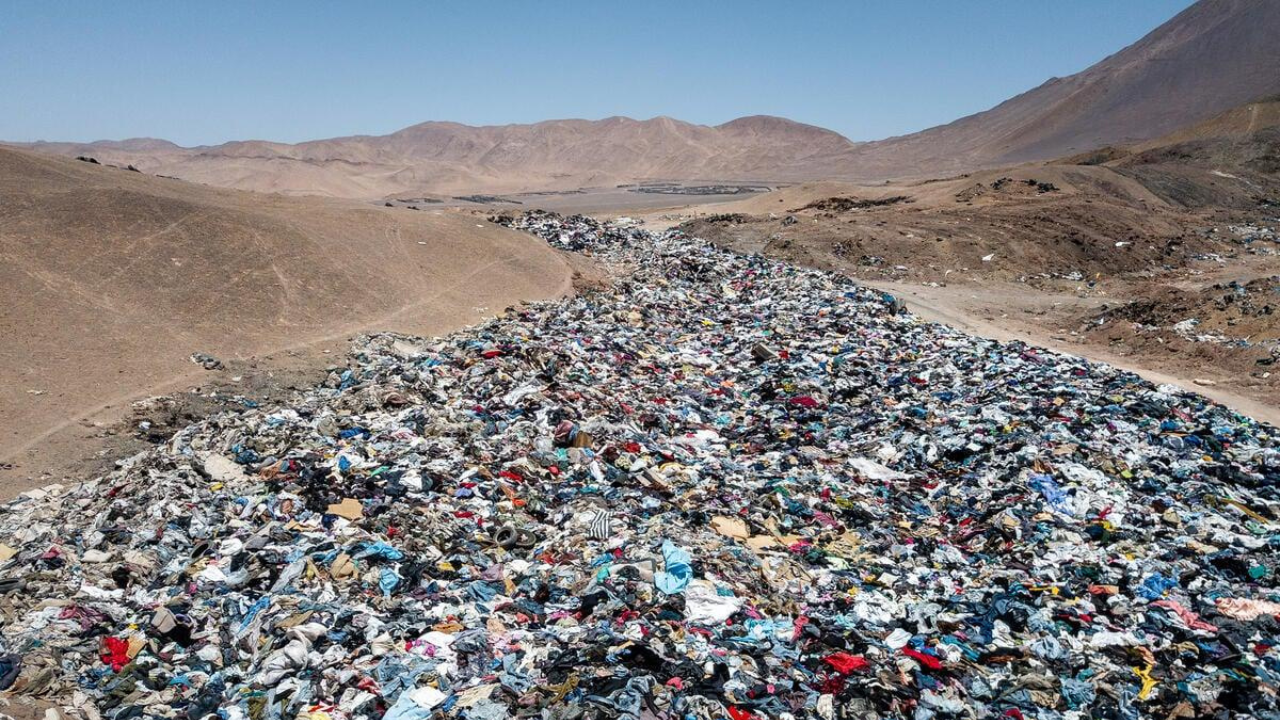
The media loves a good visual of a "clothing mountain." They fly a drone over the Atacama Desert in Chile or a beach in Accra, show you a pile of polyester, and tell you that your old gym shirt is a biological weapon. They want you to feel like a criminal for participating in the global supply chain. They frame the secondhand trade as a tragedy of waste.
They are wrong.
The "donated clothes are killing the planet" narrative is a shallow, Eurocentric fantasy that ignores how global markets actually function. It presumes that people in developing nations are passive victims receiving "trash" they don’t want. In reality, the global secondhand trade is a multibillion-dollar engine of entrepreneurship, necessity, and economic mobility.
Stop apologizing for your donations. Start understanding the mechanics of the market you’re actually fueling.
The Myth of the "Tragic Dumping"
The prevailing sentiment is that Western nations "dump" clothes on the Global South. This implies a one-way street where we force unwanted goods onto unwilling recipients.
That isn’t how trade works.
Markets like Kantamanto in Ghana or the sprawling stalls in Iquique, Chile, aren't dumping grounds; they are highly sophisticated logistics hubs. The people importing these bales are savvy business owners. They aren't taking "trash" out of the goodness of their hearts. They are buying a commodity.
The Real Value Chain
When a bale of used clothing arrives in a port, it triggers a massive economic chain reaction:
- Importers pay duties and taxes, funding local infrastructure.
- Wholesalers grade the items, identifying "Grade A" vintage or high-end brands.
- Tailors and Upcyclers repair, resize, and redesign items, creating a massive secondary manufacturing sector.
- Micro-retailers sell to the local population, providing affordable access to quality textiles.
If these clothes were truly "worthless," the trade would vanish overnight. No one spends thousands of dollars on shipping containers full of garbage. They spend money on inventory.
Why "Buy Local" Is a Protectionist Trap
Critics argue that cheap Western imports destroy local textile industries. This is a classic protectionist argument that sounds noble but fails under any rigorous economic scrutiny.
Look at the attempt by the East African Community (EAC) to ban used clothing imports a few years ago. The goal was to jumpstart domestic manufacturing. What happened? Prices for basic apparel skyrocketed. The local population didn't suddenly start buying expensive, locally-made shirts; they just had less money for food and education because their clothing costs doubled.
Most domestic textile industries in these regions didn't die because of your old Levi’s. They died because of:
- Energy costs: Unreliable power grids make local manufacturing prohibitively expensive.
- China: New, ultra-cheap "fast fashion" from massive Asian factories is a far bigger threat to local artisans than a used hoodie from 2018.
- Infrastructure: It is often cheaper to ship a container from New Jersey to Lagos than it is to move goods across a single land border in Africa.
Blaming the donation bin is an easy out for governments that haven't fixed their own industrial bottlenecks.
The "Desert Pile" Is a Failure of Policy, Not Philanthropy
Yes, there are piles of clothes in the Atacama Desert. It looks terrible in photos. But let’s look at the "why."
Chile has "Free Trade Zones" (Zofri) where goods can be imported without duties. Traders bring in massive amounts of used clothing, pick the best 60%, and then... they hit a wall. Local laws often make it legally difficult or expensive to properly recycle or dispose of the bottom-tier 40%.
The "mountain" isn't a result of too much donation; it’s a result of regulatory gridlock. When you make it illegal or prohibitively expensive to process waste, people will find a hole in the desert. That is a waste management problem, not a "consumerism is evil" problem.
Better Data, Better Logic
Consider the lifecycle of a garment. If you throw that shirt in the trash in London or New York, it goes to a landfill. Period. If you donate it, it has a 60% to 90% chance of entering a secondary market where it will be worn, mended, or turned into industrial rags or insulation.
The "waste" only happens at the very end of a much longer, much more useful life. Even the "waste" that ends up on beaches represents a tiny fraction of the billions of items that provided utility and income for years before getting there.
The Arrogance of "Keep Your Trash"
There is a certain brand of activist who believes we should stop exporting clothes and instead "recycle them at home." This is the peak of Western arrogance.
We currently do not have the technology to recycle mixed-fiber textiles (like cotton-polyester blends) at scale in a way that is economically viable. "Chemical recycling" is still largely a pilot-program pipe dream. Mechanical recycling produces short, weak fibers that can only be used for carpet padding.
By demanding we "stop exporting," these activists are essentially saying: "Don't give these items a second life in a market that wants them; just put them in our own landfills now."
They would rather see a shirt buried in a Nevada landfill today than see it worn by a student in Nairobi tomorrow, simply because the latter involves a "visual of waste" five years down the line.
The Upcycling Economy You’re Ignoring
I have spent years looking at supply chains, and the most vibrant "circular economy" isn't happening in a Silicon Valley startup—it's happening in the streets of Nairobi.
In these markets, nothing is wasted. A pair of jeans with a hole becomes shorts. The scraps from those shorts become patches for a jacket. The zippers are salvaged. The buttons are harvested. This is a level of resourcefulness that Western "sustainability" influencers can only dream of.
By sending our "excess," we are providing the raw materials for a massive, decentralized manufacturing engine. We aren't sending waste; we are sending low-cost feedstock.
The Real Enemy: The "Degrowth" Delusion
The push against clothing donations is part of a larger, more dangerous movement: Degrowth. The idea is that we should just produce and consume less until the problem goes away.
This is a luxury belief held by people who have never had to worry about the cost of a winter coat.
Global trade has lifted hundreds of millions out of poverty. The secondhand clothing trade is a subset of that success. It provides:
- Affordability: Low-income families gain access to high-quality brands that are more durable than the cheap, new "fast fashion" alternatives.
- Employment: Millions of jobs globally depend on the sorting, shipping, and retailing of used goods.
- Tax Base: Import duties on these goods provide significant revenue for developing states.
If you cut off the supply of donated clothes, you aren't saving the planet. You are cutting the legs out from under an entire economic ecosystem.
How to Donate Without Being a Clown
If you want to be "ethical," don't stop donating. Just stop being lazy about it.
The reason some clothes end up in the desert is that they were "Grade D" junk to begin with. Low-quality, ultra-cheap fast fashion (the $5 leggings, the promotional t-shirts) has no resale value anywhere. That is the true "waste."
The Professional Guide to Responsible Donation:
- Quality over Quantity: If the garment was "disposable" when you bought it, it’s still disposable now. Donate high-quality natural fibers (wool, heavy cotton, leather). These have the highest value in the global market and the longest second lives.
- Clean and Repair: A bale of clean, functional clothes sells for more. High-value bales are handled with more care. Low-value "trash bales" are the ones that end up being dumped because they aren't worth the transport costs.
- Support the Middlemen: Organizations like the secondary textile trade associations are the ones doing the heavy lifting. They aren't "charities" in the traditional sense; they are logistics experts. Trust the profit motive.
Stop Romanticizing the Past
There is a nostalgic lie that before used clothing imports, every country had a thriving, beautiful local dress industry that was "pure."
Nonsense.
Before the mass availability of textiles, clothing was a massive burden on the poor. People owned one or two outfits. They spent incredible amounts of time and energy maintaining them. The arrival of affordable, high-quality used clothing was a liberation. It freed up capital and time.
The "visual pollution" of a clothing pile is a small price to pay for the massive increase in human standard of living that affordable textiles provide.
We need to stop managing our "guilt" and start managing our waste systems. If Chile has a pile of clothes in the desert, help Chile build a power plant that can run on textile-derived fuel. Don't tell a mother in Santiago she can't have access to affordable clothes because the "optics" of the desert look bad on Instagram.
The global secondhand trade is a masterpiece of market efficiency. It takes the excess of the wealthy and turns it into the inventory of the ambitious.
It isn't a crisis. It’s a solution.
If you want to help the planet, buy better clothes, wear them longer, and then—for the love of God—send them back into the market so someone else can use them.
The desert is a policy failure. The trade is a triumph.
Choose which one you’re going to focus on.