Some human stories cut straight through the noise of the daily news cycle. When a former pediatric patient grows up to become a medical colleague of the exact doctor who saved his life decades prior, people pay attention. It sounds like a movie script. Yet, reality often beats fiction.
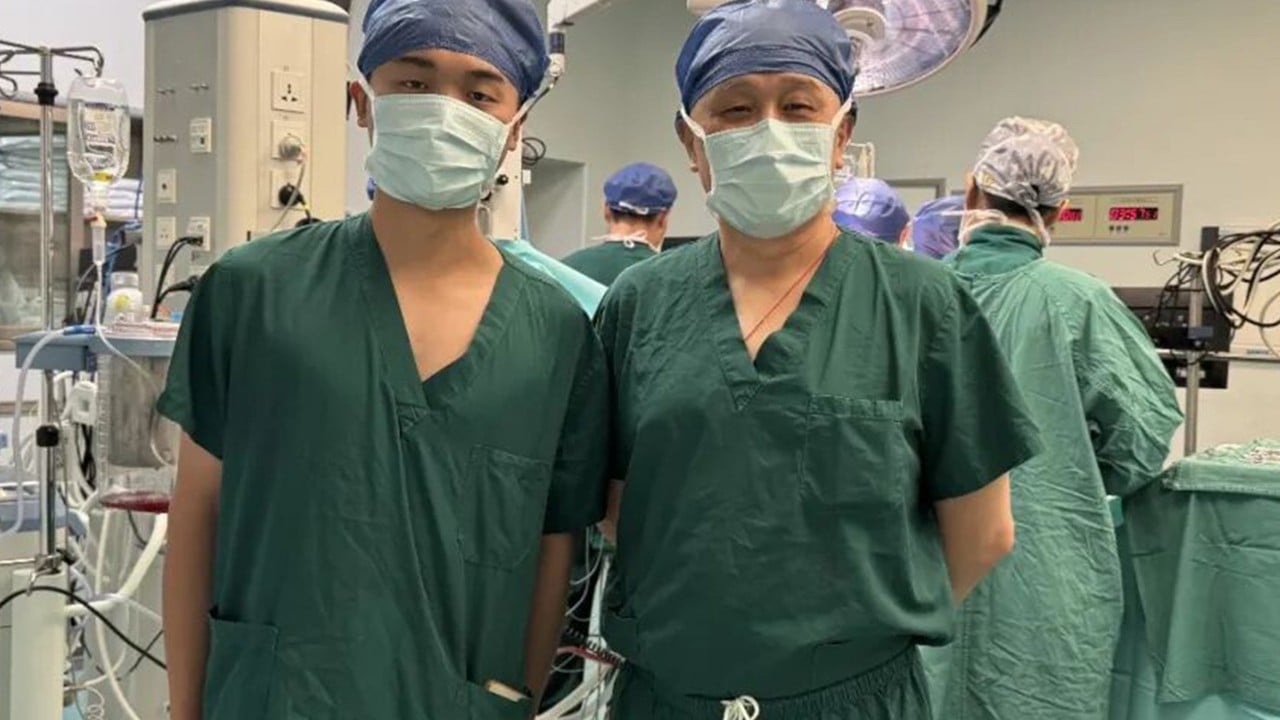
Nineteen years ago, a young boy in China faced a terrifying medical crisis involving a severe congenital condition. Enter a dedicated surgeon who performed a high-stakes, life-altering operation. Fast forward nearly two decades later, and that same patient didn't just send a thank-you card. He walked into the hospital operating room wearing scrubs of his own, standing shoulder-to-shoulder with his former savior. Don't miss our previous post on this related article.
You've probably seen similar heartwarming headlines scroll past your feed. Most people read them, feel a quick rush of warmth, and immediately swipe away. But there is a much deeper layer here about mentorship, long-term healthcare outcomes, and the profound ripple effect of a single act of medical excellence.
The Reality of Pediatric Surgery
Healing a child is fundamentally different from treating an adult. The stakes are wildly high because the patient has an entire lifetime ahead of them. When a pediatric surgeon corrects a life-threatening anomaly, they aren't just buying a patient a few extra years. They are gifting decades of potential. If you want more about the background of this, USA Today provides an excellent summary.
In this specific case, the original operation took place when medical technology was significantly less advanced than it is today. Surgeons relied heavily on manual dexterity, sheer grit, and raw intuition. The surgeon who took on the case didn't view it as a routine procedure. They treated the young boy with an intensity that ultimately inspired a lifelong career choice.
Most people don't realize how deeply childhood hospital experiences shape adult trajectories. Medical trauma often leads to intense phobias of doctors and clinics. Children who spend months inside sterile wards develop lifelong anxiety. Yet, positive medical encounters flip that script entirely. They turn fear into fascination.
From Patient Bed to Operating Table
Transitioning from the receiving end of medicine to the delivering end takes an extraordinary amount of discipline. You cannot simply wake up one day and decide to go to medical school because a doctor was nice to you. It demands grueling years of organic chemistry, sleepless residency shifts, and intense emotional resilience.
When the former patient finally earned his medical credentials, he didn't pick just any random hospital or specialty. He sought out the exact institution and the exact mentor who had altered his destiny years ago. Walking the same corridors as a peer changes the entire dynamic.
- Shared History: The senior surgeon didn't just train a random resident; they trained someone whose heartbeat they had literally helped preserve.
- Empathy Amplified: Most doctors try to understand their patients' fear. This surgeon actually lived it on an operating table.
- Generational Transfer: Skills, bedside manner, and ethical standards passed directly from a retiring master to a deeply invested student.
What Most Media Coverage Misses
Mainstream outlets love the romantic angle of this story. They focus entirely on the cinematic coincidence. They talk about fate, destiny, and full-circle moments. They miss the gritty, unglamorous reality of modern healthcare systems.
Hospitals are notoriously high-stress environments. Burnout rates among medical professionals remain dangerously high. Young doctors face crushing debt, administrative bloat, and emotionally draining shifts. Stories like this provide a rare antidote to widespread cynicism in the medical field. They remind practitioners why they endured a decade of grueling training in the first place.
Think about the psychological impact on the senior surgeon. Medicine is a thankless grind. Patients come and go. Many leave without a backward glance. Knowing that your work inspired someone to dedicate their entire life to continuing your exact mission is the ultimate validation. It proves that the hours spent standing over a table under glaring surgical lights genuinely mattered.
Why This Matters Beyond the Headlines
We live in a cynical era. We expect institutions to fail us. We expect professionals to cut corners. When a story breaks about profound dedication, mutual respect, and lifelong gratitude, it shocks our system.
If you work in healthcare, let this serve as a reminder. Every single patient interaction leaves a mark. You never know which nervous kid sitting in your exam room is watching your every move, absorbing your patience, and deciding what they want to do with their own life.
Stop treating medical appointments as transactional chores. Treat them as human exchanges that echo for decades.
Take a moment to thank the mentors who shaped your own path, whether they wear scrubs or sit behind a desk. Pass the knowledge down. The chain breaks only when we stop caring.