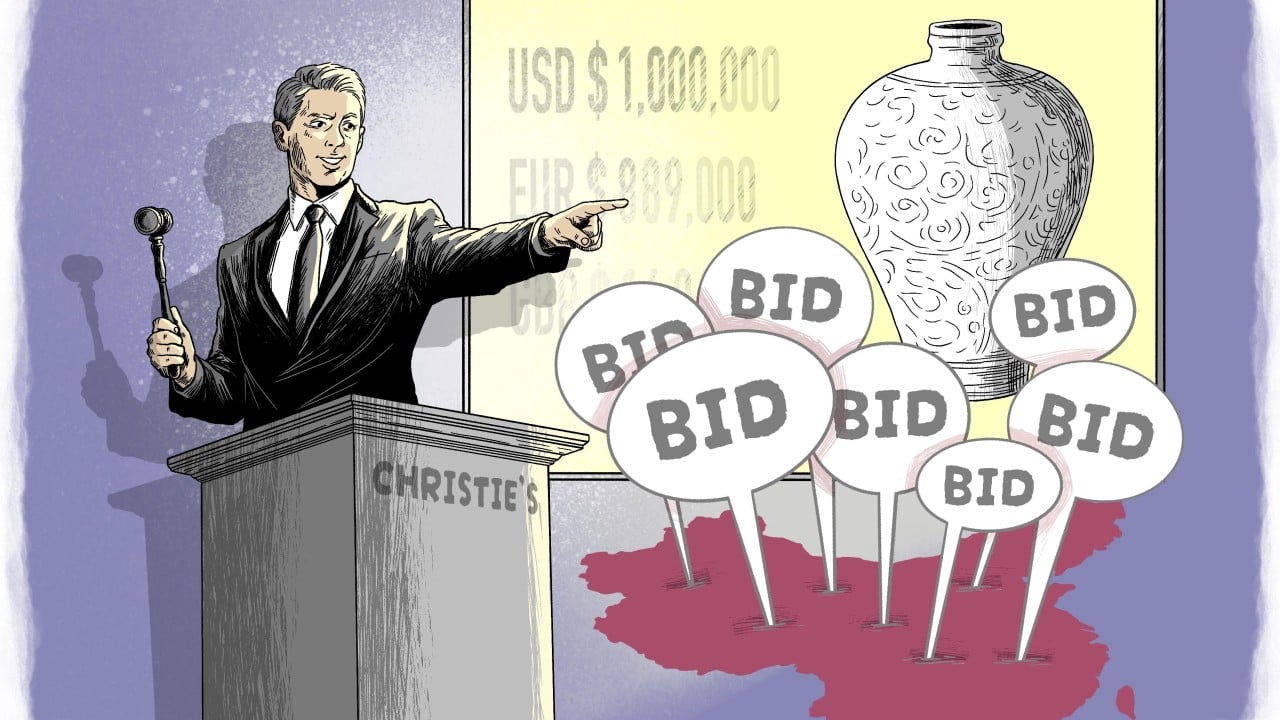
For decades, America’s premier museums stocked their Asian art galleries with treasures acquired during periods of geopolitical turbulence. Today, that dynamic is shifting in real time. Chinese art is embarking on a long march home, driven by aggressive legal crackdowns, shifting wealth, and a broader reckoning over provenance.
If you think this is just about government diplomacy, you're missing the bigger picture. Private collectors, international auction houses, and federal investigators are fundamentally reshaping the antiquities trade.
The Changing Marketplace of Gilded Age Relics
Much of the Chinese art housed in Western institutions arrived via sweeping acquisitions made by Gilded Age tycoons and mid-century collectors. These items often passed through opaque markets before landing in climate-controlled galleries in New York, Boston, and San Francisco. But the legal environment governing these collections has tightened dramatically.
The Manhattan District Attorney's Antiquities Trafficking Unit, working alongside federal agencies, has aggressively targeted illicitly smuggled artifacts. When high-profile items—such as seventh-century stone carvings or ancient bronze vessels—are scrutinized, museums find themselves caught in the middle. Rather than facing endless legal battles and public relations disasters, institutions are quietly handing back disputed pieces.
At the same time, wealth has shifted eastward. Domestic Chinese collectors and major state-backed institutions now possess the capital to aggressively buy back heritage pieces when they surface on the open market. Auctions in New York and London regularly feature intense bidding wars driven by buyers operating out of Beijing and Shanghai who want these cultural touchstones back on home soil.
Provenance Pressure Puts Museums on Notice
You can't just display looted history without a paper trail anymore. Curators face unprecedented pressure to audit their inventories. When the Smithsonian’s National Museum of Asian Art repatriated looted fragments like the Zidanku Silk Manuscripts, it signaled a broader institutional vulnerability.
The math for museum directors has changed. Keeping a disputed artifact carries a massive reputation cost.
- Legal investigations can drag on for years.
- Donors scrutinize the ethical standards of acquisitions.
- Public trust evaporates when provenance turns out to be fraudulent.
Museums are realizing that proactive repatriation is often safer than defending a legally shaky collection. It is a slow, piecemeal process, but the momentum is undeniable. Every high-profile handover from American authorities to Chinese officials establishes a firmer precedent for future claims.
What the Return of Antiquities Actually Means
Critics sometimes frame these repatriations as purely political gestures. They aren't. They represent the correction of a century-long market imbalance born out of war, colonial pressure, and lax international borders.
When objects like the Feng Xingshu Gui—a 2,800-year-old bronze vessel stolen decades ago—find their way back through cooperative tracking by the Art Loss Register and federal investigators, it proves the system actually works when pressure is applied.
The migration of Chinese art back across the Pacific isn't stopping anytime soon. As investigative techniques improve and international agreements mature, more pieces currently sitting in Western basements and display cases will face scrutiny. The era of unquestioned acquisition is over, and the long march home is rewriting the geography of global art.


