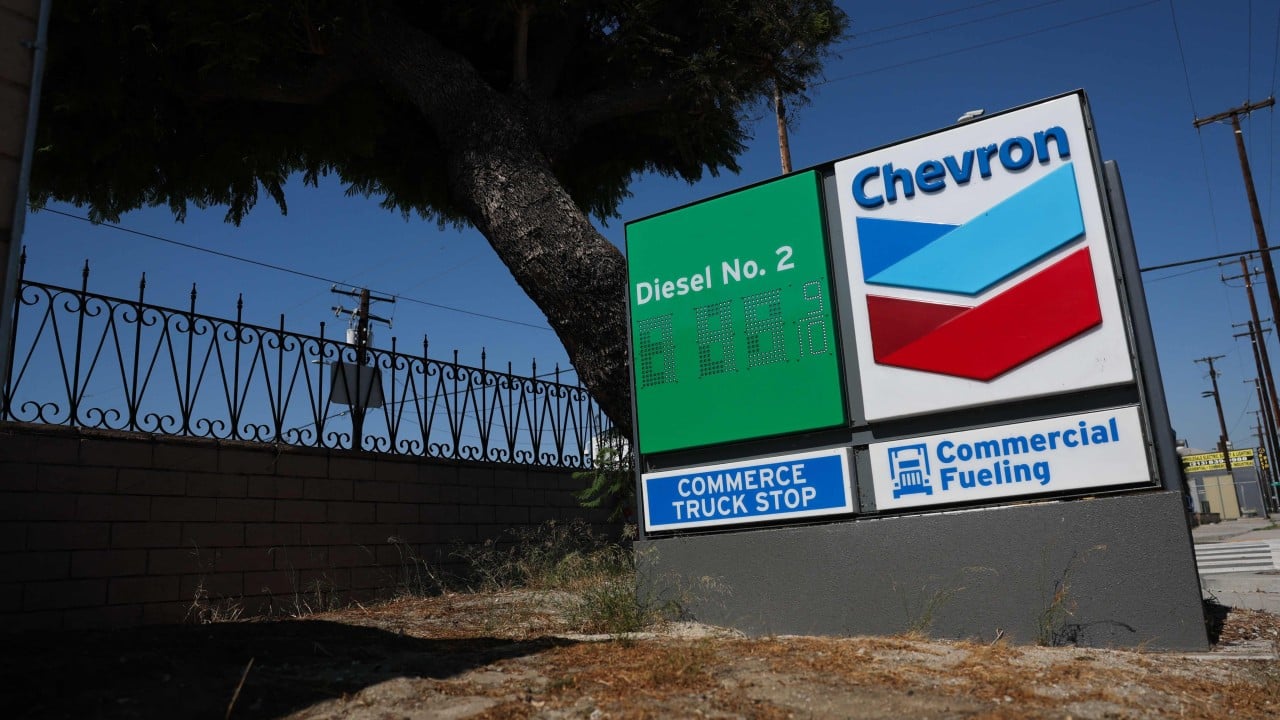
The shifting architecture of Venezuelan energy extraction under altered United States sanctions regimes exposes a fundamental tension between corporate cash generation and geopolitical volatility. When political rhetoric centers on historic deals, market analysts must strip away the noise to evaluate the operational mechanics governing heavy oil recovery, asset degradation, and capital recovery. Chevron operates within this environment under a specific authorization framework issued by the Office of Foreign Assets Control. This license allows the continuation of legacy joint ventures with Petróleos de Venezuela, known as PDVSA, but explicitly prohibits the expansion of new fields or the acquisition of new acreage. Understanding the operational trajectory requires examining the interaction between reservoir depletion rates, debt recovery mechanisms, and the structural constraints of heavy crude processing.
The underlying operational reality of Venezuelan crude production involves aging infrastructure, chronic underinvestment, and severe technical bottlenecks. The extra-heavy crude found in the Orinoco Belt possesses high viscosity and elevated heavy metal content, requiring specialized diluents such as naphtha or light sweet crude to enable pipeline transport and export upgrading. Decades of systemic neglect have left the upgrading facilities, known as upgraders, operating well below nameplate capacity. When Chevron maintains or increments output within its mixed enterprises—such as Petropiar, Petroboscán, Petroindependencia, and Petroquiriquire—it must navigate a crippled domestic supply chain. The logistical friction extends from basic water separation units to complex steam-assisted gravity drainage or cold heavy oil production systems, each demanding continuous capital injection to prevent rapid production decline curves.
Financial mechanisms dictate the operational scope far more than diplomatic declarations. Under the current licensing arrangement, cash flows generated from Chevron's equity share in Venezuelan production are not directed toward corporate expansion or outward profit distribution in the conventional sense. Instead, these revenues are systematically applied against the historical debt and outstanding dividends owed by PDVSA to Chevron. This debt-recovery loop creates a closed financial circuit. Chevron extracts value from existing wells to amortize past capital expenditures, effectively acting as a senior creditor operating physical assets to force repayment. This arrangement insulates the corporation from direct cash exposure to the Venezuelan state while providing PDVSA with the technical competence and western service sector integration required to sustain baseline export volumes.
Global refining markets absorb Venezuelan heavy sour crude based on specific logistical integration. Refiners along the United States Gulf Coast, particularly complex configurations designed decades ago to process high-acid, heavy feedstocks, face an ongoing deficit of similar grades due to declines in Mexican Cantarell production and heavy sanctions on alternative suppliers. The importation of Orinoco blend or Boscan crude into Gulf Coast facilities yields high margins for refineries optimized for heavy asphaltic crudes, provided the landed cost accounts for the necessary discounts and the operational risks of processing contaminated streams. This dynamic underpins the commercial rationale for maintaining the operational bridge between Venezuelan fields and Gulf Coast terminals.
Geopolitical shifts introduce binary regulatory risks that override standard corporate discounted cash flow models. Licensing renewals depend entirely on shifting diplomatic benchmarks tied to electoral transparency, human rights metrics, and broader foreign policy objectives within Washington. A sudden revocation or tightening of the license would force an immediate operational standstill, requiring a costly preservation phase for wells and upgraders to prevent permanent reservoir damage. Conversely, an outright relaxation of sanctions that permits foreign majors to deploy greenfield capital would instantly alter the competitive landscape, shifting the calculus from debt recovery to massive reserve replacement. The current strategic posture remains an interim equilibrium: minimal capital expenditure for maximum asset utilization aimed at capital repatriation rather than footprint growth.
The capital allocation strategy within this constrained environment relies on strict asset-level triage. Field superintendents prioritize high-return workovers of existing wellbores over exploratory drilling or secondary recovery enhancements that require long-term infrastructure commitments. This triage minimizes capital at risk inside a sovereign jurisdiction with a history of asset nationalization and contract renegotiations. Every dollar spent on submersible pumps, wellhead valves, or chemical demulsifiers is weighed against the speed of debt recovery under the current regulatory umbrella. The operational tempo reflects calculated exposure management rather than an aggressive growth thesis.
Supply chain dependencies represent the most fragile link in the operational chain. Because domestic manufacturing capacity for specialized oilfield equipment inside Venezuela is practically non-existent, operations rely heavily on imported components, specialized tubular goods, and maintenance chemicals that must clear complex compliance hurdles. Compliance protocols require exhaustive auditing to ensure no prohibited entities or dual-use technologies breach sanctions parameters. This administrative overhead increases project cycle times and operational costs, dampening the net margin realized from each barrel produced and exported.
Long-term reserve monetization in Venezuela faces an insurmountable structural barrier if the macroeconomic framework remains static. The capital required to restore Orinoco Belt production to historical peaks measured in millions of barrels per day exceeds the balance sheet capacity of any single corporate actor, necessitating multi-lateral consortiums, extensive debt financing backed by multilateral banks, and comprehensive legal reform of the hydrocarbon law. Until the legislative framework governing minority stakes and operational control is rewritten to offer enforceable international arbitration and transparent fiscal terms, institutional capital will remain sidelined.
Resource allocation must therefore pivot from speculative expansion scenarios to immediate supply chain resilience. Operators must maintain rigorous maintenance schedules on essential upgrader units, secure diversified channels for diluent acquisition, and enforce strict compliance auditing to insulate operations from regulatory volatility. The ultimate financial metric is not aggregate production volume, but the accelerated clearance of historical receivables coupled with the optimization of heavy crude margins within Gulf Coast refining networks.