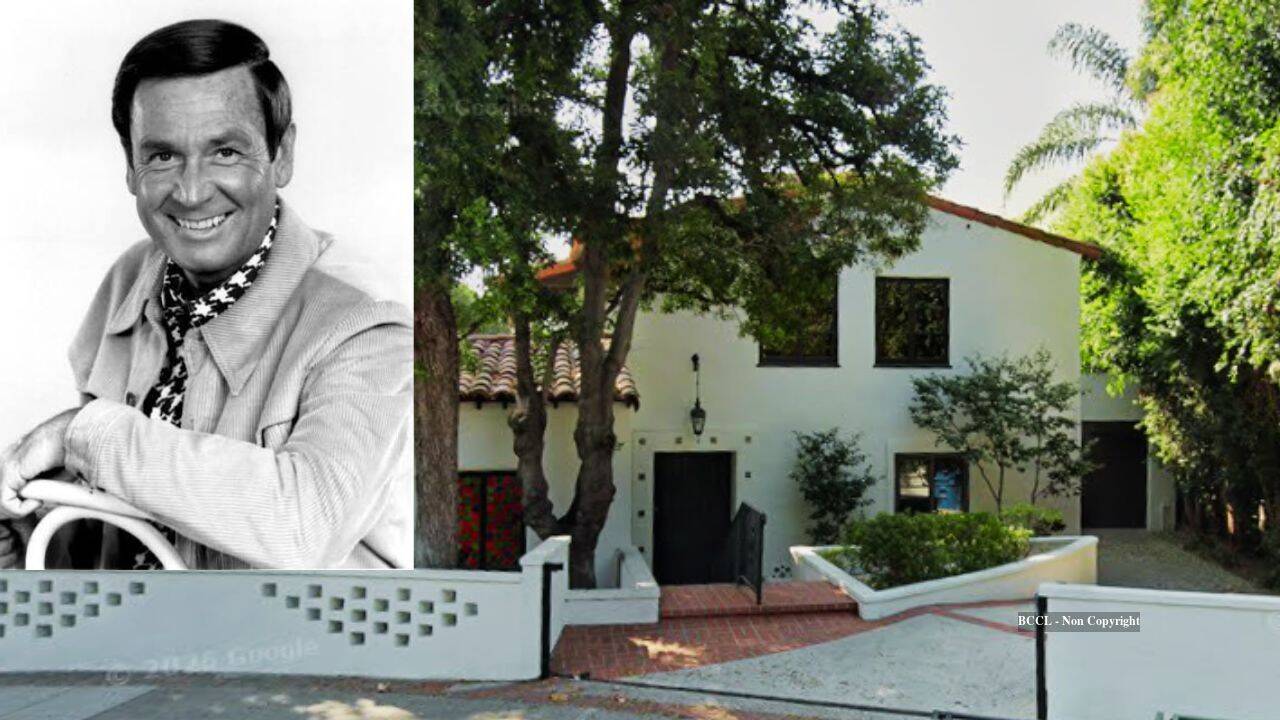
A $6.325 million sale sounds like a victory lap. Until you do the math.
When a celebrity home gets a facelift and clears seven figures, the standard real estate coverage treats it like alchemy. Old bones, fresh marble, higher price tag, happy buyer. That is the lazy consensus. It assumes the renovation created the value, that the famous name added an automatic premium, and that clearing $6.325 million in Los Angeles means someone walked away rich.
Usually, it means someone funded an expensive lesson in architectural ego.
I have watched developers and private buyers pour seven figures into trophy properties across Los Angeles only to get eaten alive by carrying costs, permit delays, and buyer skepticism. A house is not a stock certificate. You cannot simply paint over forty years of deferred maintenance, slap a recognizable name on the marketing brochure, and expect the market to hand you a windfall. Real estate math is unforgiving, and celebrity real estate is doubly so because emotion distorts every single line item.
The Myth of the Renovation Windfall
Most coverage of a sale like Bob Barker's historic Los Angeles residence focuses on the headline number. Six point three two five million dollars. Big number. Shiny story.
What gets skipped is the spread between gross sale price and net reality.
In luxury residential real estate—especially in markets like Los Angeles where property taxes, insurance, municipal sign-offs, and high-end labor add up fast—a sale price is revenue, not profit. When a historic property undergoes renovation, the work rarely stops at cosmetic upgrades. Older homes hide wiring that violates current code, plumbing that wants to retire, foundation quirks, and layout choices that made sense in a different era and feel awkward today.
Every time you open a wall in an older house, the contractor's tone changes. That is a law of nature.
Add in holding costs while work drags on, broker commissions, transfer taxes, staging, and financing if debt was involved, and a headline price starts looking much smaller. Sometimes a "successful" sale after a remodel barely breaks even once every invoice is accounted for. Other times it loses money and gets spun as a win because nobody wants to admit the budget ran hot.
Value Added vs. Taste Imposed
There is a big difference between improving a property and projecting your own taste onto it.
In real estate appraisal and underwriting, value-add means making changes that broaden appeal, fix structural or functional flaws, or bring a property up to modern standards in a way that aligns with neighborhood comps. Personalization means building a space because you like how it looks right now.
High-end remodels blur that line constantly. One buyer loves warm minimalist plaster and custom millwork; the next wants indoor-outdoor glass walls and a completely different floor plan. When a renovation goes too far in one aesthetic direction, it can shrink the pool of buyers who are willing to pay top dollar—even if the materials cost a fortune.
Marble does not guarantee a return. Expensive finishes only pay off if the house already makes sense for its location, lot, lot utility, and price tier.
Celebrity Pedigree Is a Double-Edged Sword
People love to assume a famous former owner acts like a permanent price booster. Sometimes it helps. Often it is exaggerated.
A recognizable name gets attention. In a crowded market, attention matters because it gets eyeballs on a listing without paying for extra ad spend. A long-time television icon like Bob Barker brings a layer of cultural nostalgia that ordinary listings simply cannot buy.
Still, nostalgia does not pay a mortgage.
Once the initial curiosity fades, serious buyers in the multi-million-dollar bracket look at practical realities:
- How functional is the floor plan for actual daily living?
- What is the privacy and street presence like?
- Are there unpermitted additions or quirks that will create headaches later?
- How does the price stack up against comparable homes without a famous backstory?
Famous provenance can create a moment. It rarely overrides bad layout geometry, awkward lot lines, or an inflated price per square foot. In fact, when a seller leans too hard on celebrity history, sharp buyers sometimes wonder what flaws the story is distracting them from.
The Questions Buyers Actually Ask the Wrong Way
Whenever a notable home trades for millions after a remodel, the same questions pop up everywhere. Most of them are framed upside down.
"Did the renovation pay for itself?"
Wrong question. A renovation does not exist in a vacuum; it competes against every other way that capital could have been deployed.
Imagine a scenario where a buyer or investor puts $1.5 million into upgrading an aging property instead of keeping that cash liquid or putting it into a lower-maintenance asset. Even if the home sells for more than it would have untouched, you have to measure the extra sale price against the total cash outlay, time tied up, opportunity cost of the capital, and transaction friction. Getting back $1.2 million in perceived value on a $1.5 million remodel is not a win just because the house looks better in photos.
The right question is: Did this specific scope of work close a gap that the market was already willing to reward?
"Does historic status automatically make a house more valuable?"
Not even close. Historic character can give a home soul that new construction cannot fake—original proportions, mature landscaping, craftsmanship you rarely see on spec builds.
It can also bring friction. Historic overlays, preservation rules, and older construction methods can slow down changes and make repairs more expensive. A charming vintage house is a gift if you respect what it is and budget realistically. It is a trap if you buy it expecting cookie-cutter simplicity.
"Why do renovation stories almost always sound upbeat?"
Because nobody wants to look foolish in public.
Sellers want momentum. Agents want buzz. Media outlets want clean narratives with a neat price tag at the top. A nuanced breakdown of carrying costs, permit timelines, and compromised margins is harder to write and less clickable than a tidy headline about a multi-million-dollar sale.
So the story gets flattened into "historic home renovated, sells for $6.325 million." Clean. Simple. Incomplete.
Where My Contrarian View Can Bite You
I am not going to pretend skepticism is a free pass. Leaning hard into cold numbers and structural realism has its own blind spots.
If you treat every home strictly like a spreadsheet, you can miss genuinely special properties that rarely come back on the market. Great locations, quiet pockets, mature trees, and distinct architectural bones are hard to replace. Sometimes paying slightly more—or accepting a lower financial return—is the price of getting a place that actually fits how you want to live.
Also, over-analyzing comps can paralyze people. In distinct neighborhoods or legacy properties, true apples-to-apples comparisons are scarce. If you wait for textbook math on a one-of-a-kind home, you can end up sitting on the sidelines forever while prices move or better options disappear.
The trick is not turning into a cynic who hates every remodel. The trick is separating lifestyle spending from investment math before you sign anything.
How to Judge a Remodeled Trophy Home Without Getting Played
If you are looking at a renovated property—especially one with a story attached—skip the hype and run a tighter filter.
- Separate cosmetics from infrastructure. Fresh paint, fixtures, and staging are easy. Roof, electrical, plumbing, drainage, HVAC, and structural work are where real money goes. Look closely at what changed behind the walls, not just on top of them.
- Check the neighborhood ceiling. Even the nicest remodel struggles when pushed way past what nearby homes support. Know where the ceiling sits before you fall in love with the kitchen island.
- Price the friction, not just the square footage. Factor in closing costs, insurance, taxes, maintenance reserves, and the time it takes to fix anything you still want to change. A slightly lower purchase price on a house that needs work is only a bargain if the true all-in cost still leaves room.
- Ask who the next buyer will be. Renovations built purely for one narrow taste often take longer to resell or require price cuts later. Layouts and finishes that make immediate sense to normal humans hold value better than showpieces built for applause.
What Real Estate Veteran Thinking Looks Like
In luxury and legacy real estate, seasoned operators rarely get swept up by a single headline number. They look at basis, carry, utility, and exit. They know that a big sale price on a renovated home can hide thin returns just as easily as a modest headline number can hide a smart buy.
Think about figures like Sam Zell, whose career built on buying distressed or misunderstood assets at a sensible basis and refusing to chase herd enthusiasm, or look at how disciplined residential developers underwrite projects: backwards from realistic end value and true all-in cost, never forwards from excitement. When emotions run hot, discipline is the only real edge.
A $6.325 million price tag tells you what one buyer agreed to pay on one day under one set of circumstances. It does not tell you whether the renovation was a financial triumph, a labor of love, or an expensive compromise.
Do the math before you clap.