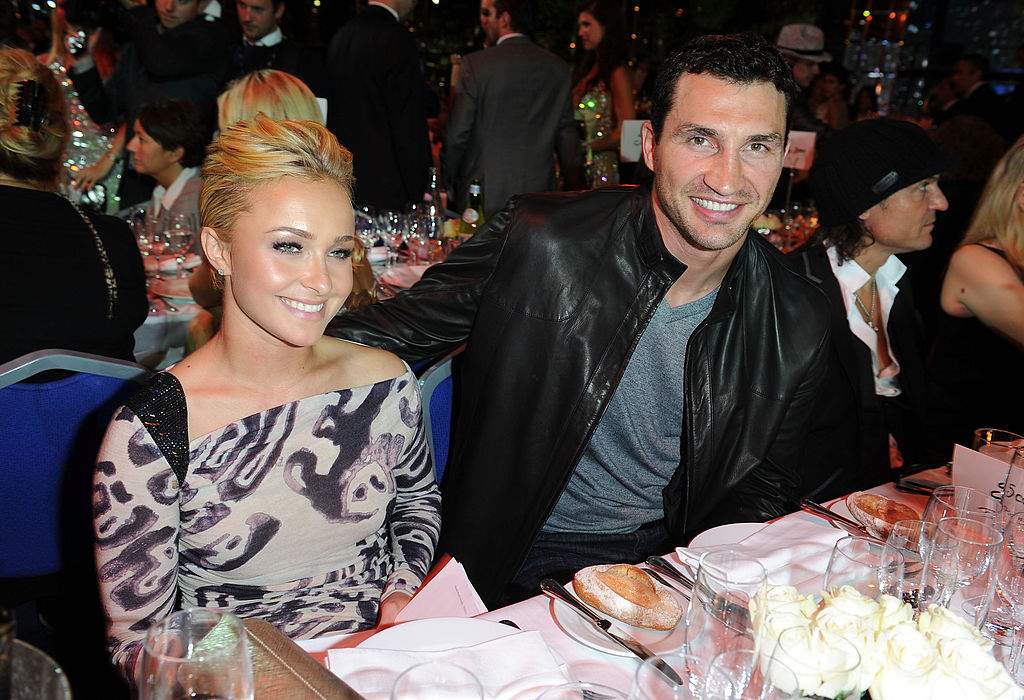
Every time a public figure passes away, the digital machinery grinds into motion with predictable, nauseating precision. The internet floods with monochrome photographs, breathless eulogies from people who met the deceased twice at an airport lounge, and a collective performance of grief designed exclusively for algorithmic validation. When Wladimir Klitschko posts a public tribute following the death of Hayden Panettiere, the internet treats it like a sacred moment of closure.
It is not. It is public relations disguised as sorrow.
We have institutionalized grief to the point where privacy is treated as a moral failing. If a celebrity does not issue a statement, the mob assumes coldness. If they do, they are accused of grandstanding. The entire ecosystem forces high-profile individuals to outsource their private processing to social media managers, turning personal loss into consumer content.
Stop buying the narrative that public tributes equal authentic sorrow.
The Economics of Manufactured Mourning
Let us be entirely clear about how attention economies operate. When a high-profile athlete or public figure posts a memorial statement for an ex-partner or a co-star, two things happen simultaneously: an emotional anchor drops into the news cycle, and engagement metrics skyrocket.
I have watched public relations teams calculate the exact optimal window to release a statement to maximize reach while maintaining an aura of solemn dignity. It is calculated. It is manufactured. And the public eats it up because we desperately want to believe that celebrities experience pain the exact same way we do, just with better lighting.
The lazy consensus in entertainment journalism is that these tributes offer closure. They do the exact opposite. They drag private trauma into the public square, inviting millions of unqualified strangers to weigh in on relationships they know nothing about.
Public grief is currency. The moment you post your sorrow to a platform driven by ad revenue, it stops being grief and starts being inventory.
The Myth of Closure Through the Feed
Consider the psychological mechanism at play here. When a death involves complicated personal histories—such as past partnerships, shared children, or turbulent separations—the emotional reality is messy, contradictory, and entirely unsuited for a square crop on an image-sharing platform.
Wladimir Klitschko and Hayden Panettiere shared a complex history defined by the glaring spotlight of international media. Reducing that relationship to a nostalgic caption does a profound disservice to the actual human complexity of their dynamic. It sanitizes the edges. It sands down the conflict, the regret, and the silence that real grief actually requires.
Real sorrow is quiet. It refuses to hashtag itself.
When media outlets rush to dissect every word of a public statement, looking for hidden meanings or validation of past relationship arcs, they are treating human mortality as a soap opera plot twist. We are enabling a culture that demands performance over processing.
Why We Crave the Statement
Why do audiences demand these public declarations? Because it absolves us of our own discomfort with mortality. When a young, prominent actor passes away, it shatters the illusion of invulnerability that we project onto famous people. By demanding a statement from their former partners, we force the survivors to anchor our own anxieties.
We want Klitschko to speak because his words give us permission to feel sad about someone we never knew. That is an unfair burden to place on anyone, let alone someone navigating personal loss behind closed doors.
The expectation that every major life event must be accompanied by a digital press release is eroding our capacity for genuine, unmediated human connection. We have confused the artifact of grief with grief itself.
Dismantling the Mourning Machine
If we want to fix how we consume celebrity tragedy, we have to change our own behavior first.
- Stop engaging with reactive PR. When a celebrity posts a tribute, do not like it, do not share it, and do not treat it as news. Starve the algorithm of the metrics it feeds on.
- Respect the silence. If a public figure chooses not to post, assume they are mourning like a normal human being—offline and out of sight.
- Separate nostalgia from respect. Remembering someone's work does not require dissecting their personal relationships or demanding emotional transparency from their ex-partners.
The next time a headline breaks down a famous tribute, remember that you are looking at a carefully managed artifact designed to protect a brand and appease an insatiable audience. Real loss does not need a caption. It doesn't care about your algorithm. And it certainly doesn't fit in two hundred characters.