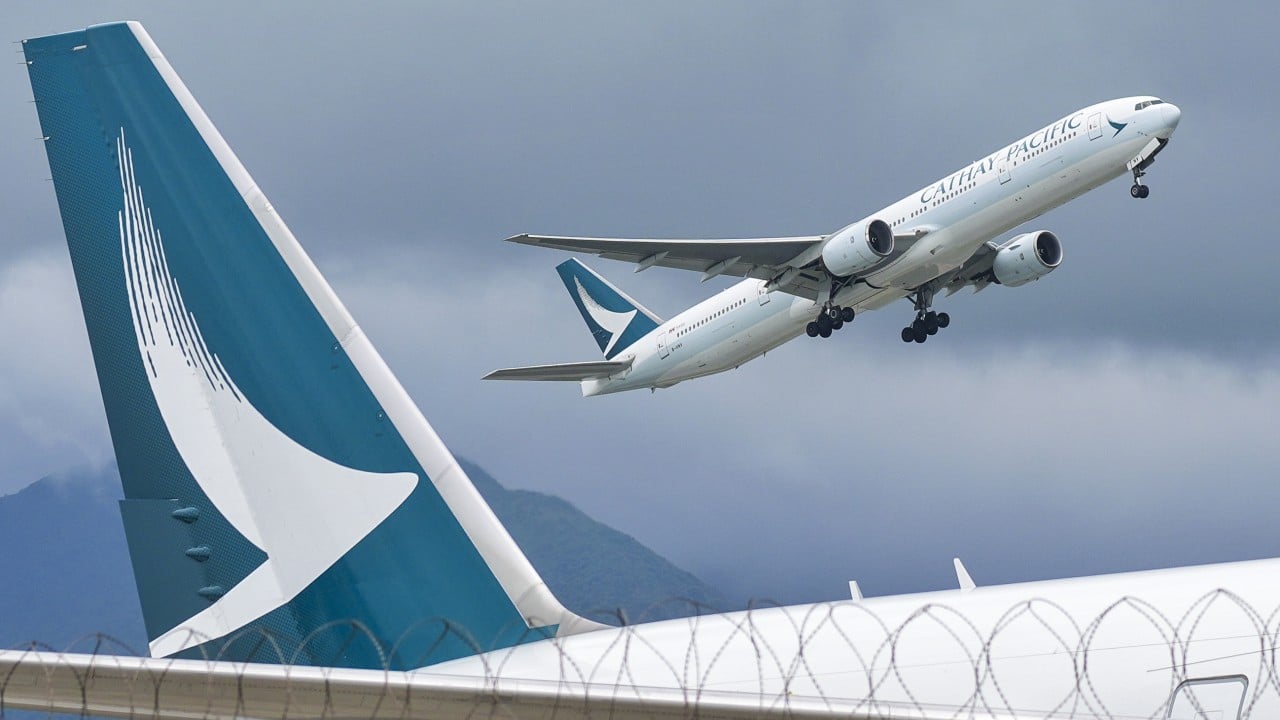
Keeping an international aviation hub alive takes more than just prestige. Hong Kong’s financial secretary, Paul Chan, recently put Cathay Pacific on notice. The message was blunt: stop resting on historical dominance, keep ticket prices competitive, and aggressively rebuild those missing flight connections.
If you have tried booking a long-haul flight out of Chek Lap Kok lately, you already know why this warning matters. Prices have stayed stubbornly high, and regional competition from rival hubs across Asia is eating away at the city’s historic advantage. Cathay remains a symbol of local pride, but pride does not fill seats when passengers can fly cheaper elsewhere. Also making waves in this space: Mark Carney and the Hard Economics of Canada Facing Down US Trade Hostility.
The Reality of Hong Kong Aviation Recovery
Aviation hubs do not run on nostalgia. When flight capacities shrink or pricing creeps up, business travelers and tourists quietly route their journeys through alternative airports. Singapore, Bangkok, and various mainland Chinese mega-airports have spent the last few years aggressively expanding their networks while Hong Kong fought to regain its footing.
The national five-year blueprint explicitly backs Hong Kong’s status as an international aviation center. That top-down support is nice on paper, but translation into real economic benefits requires actual planes in the air. Every missing route means lost trade, slower tourism recovery, and fewer multinational executives choosing to base operations in the city. Further information into this topic are explored by Harvard Business Review.
Cathay’s leadership has laid out grand targets to rebuild a massive global network and introduce new aircraft over the coming decade. Yet, intentions mean very little to a corporate buyer or family looking at ticket aggregator apps today. When fares stay inflated, people look for alternatives.
Why High Fares Threaten the Entire City Economy
Aviation is not just about vacation trips. It functions as the literal plumbing for a major financial capital. If executives cannot fly in affordably from secondary European markets or emerging economies along trade corridors, deals stall.
Paul Chan’s public nudge points to a broader economic truth. Hong Kong relies on fluid mobility to maintain its edge as a super-connector between mainland China and the rest of the world. High ticket prices act as an invisible tax on every incoming deal, conference attendee, and regional headquarters.
Airlines naturally want to maximize yield after years of pandemic-era turbulence. Restoring corporate profitability makes sense from a balance sheet perspective. However, leaning too hard on high-margin pricing risks choking off the volume volume required to keep Chek Lap Kok bustling.
The Route Expansion Challenge
Rebuilding a global network is brutally expensive. Slot allocations, pilot training, and aircraft delivery delays across global supply chains create massive hurdles. Cathay cannot simply snap its fingers and restore every pre-2020 destination overnight.
Targeting emerging regions—such as parts of the Middle East and key Belt and Road nodes—makes strategic sense. These markets open fresh channels for capital and tourism. Yet, expanding outward to distant cities cannot come at the expense of servicing core regional corridors reliably.
Travelers want frequency, not just a single weekly flight to an exotic destination. If business routes lack daily options, corporate travel planners will keep routing their teams through competitor airlines.
What Needs to Happen Next
Cathay Pacific has the balance sheet and the institutional backing to fix this imbalance, but execution speed is everything. Keeping fares attractive requires operational efficiency and a willingness to sacrifice short-term pricing gouging for long-term market share.
Travelers and corporate clients do not care about corporate excuses. They want value and options. If Hong Kong wants to keep its crown as Asia's premier transit crossroads, the local carrier has to match government ambition with aggressive, consumer-friendly pricing.