A quiet invasion is happening right under your feet. It doesn't look like the explosive, angry mounds of red imported fire ants that Southerners know all too well. Instead, this threat is silent, camouflaged, and increasingly dangerous.
The Asian needle ant (Brachyponera chinensis) is spreading rapidly across the United States. Confirmed in at least 22 states stretching from Florida up to Wisconsin and Massachusetts, this tiny predator is no longer just a minor nuisance. It packs a venomous sting that can land you in the hospital. Even worse, it is quietly systematically destroying local ecosystems.
If you spend any time gardening, hiking, or working in your yard, you need to know exactly what you are dealing with.
The Stealth Invader in Your Mulch Pile
Most people expect invasive ants to make themselves obvious. Fire ants build massive dirt structures. Argentine ants march in thick, undeniable lines across your kitchen counter.
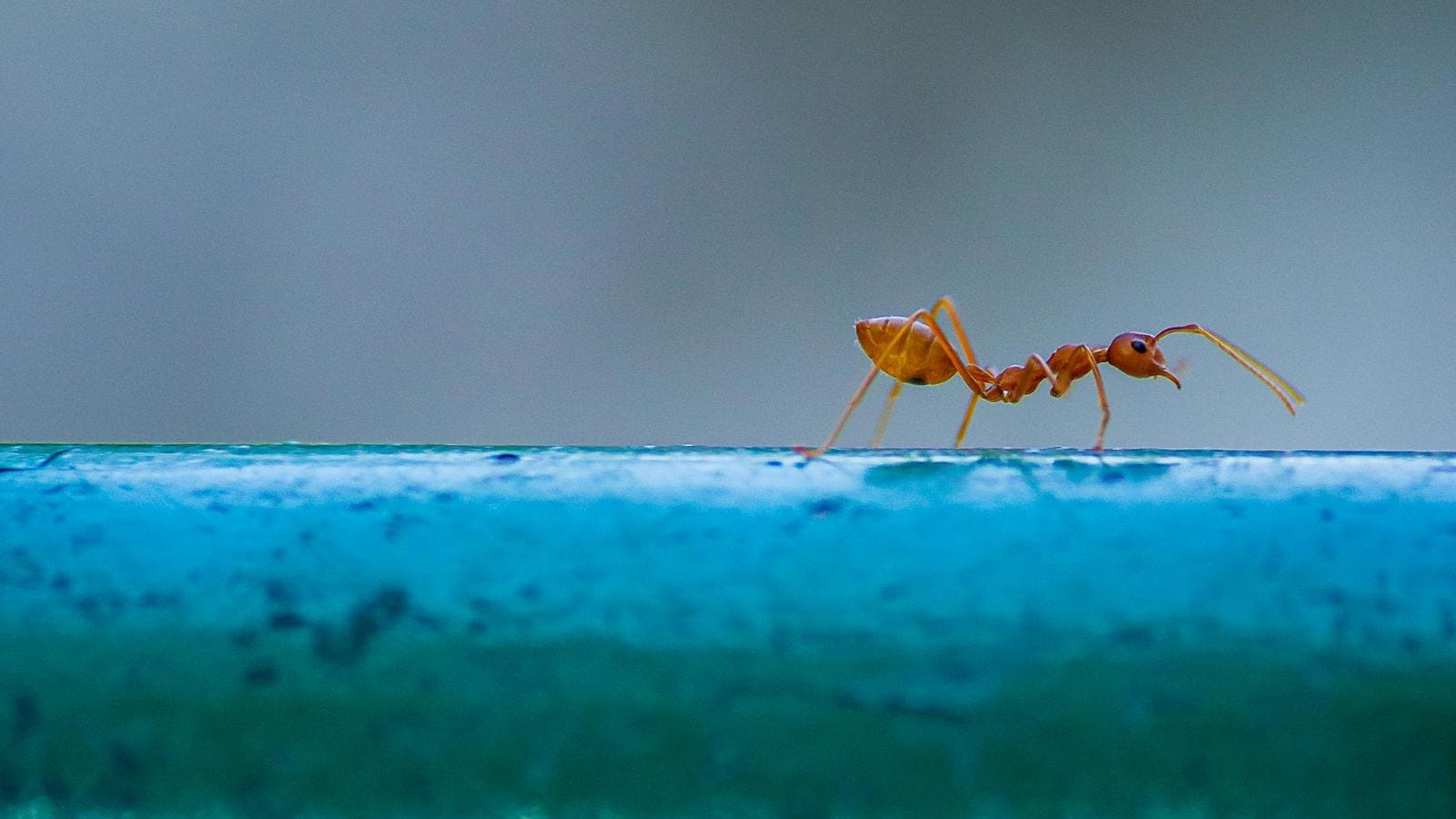
The Asian needle ant does neither. They are stealthy. They don't build visible mounds, and they don't follow neat chemical trails. Instead, you will see a single, dark brown or black ant wandering alone through the leaves. They look remarkably like standard, harmless native ants. They measure just about one-fifth of an inch long—roughly 5 millimeters—with distinctive light orange-brown legs and antennae.
Because they don't swarm out in the open, you usually don't know they are there until you accidentally sit on one or pick up a piece of firewood where they are nesting. They love dark, damp environments. Think leaf litter, rotting logs, mulch piles, landscape timbers, and decorative garden stones.
They have been in the U.S. since the 1930s, likely arriving via shipping docks from East Asia. For decades, they stayed low-key. But over the last few years, scientists have watched their populations surge.
The Medical Reality of the Sting
Don't let their small size fool you. On an individual level, a single Asian needle ant sting is significantly more dangerous than a fire ant sting.
The venom contains proteins highly capable of triggering severe allergic reactions. If you are already allergic to bees or wasps, you are at an incredibly high risk. However, entomologists from the University of Georgia have documented cases where people with absolutely no history of allergies suffered severe anaphylaxis from a needle ant sting.
What the Sting Feels Like
Experts describe the initial sensation as liquid fire or a needle driving straight into your flesh. It's a sharp, localized, acute pain.
The Phantom Pain Phenomenon
Unlike most insect stings that throb and then fade, the Asian needle ant has a bizarre biological trick. The pain can completely disappear, only to return with full force hours later. Dr. Dan Suiter, an entomology professor, has noted stings causing intense phantom pain up to 24 or 48 hours after the initial event.
Signs of Trouble
A normal reaction involves a small red dot surrounded by localized swelling, similar to a yellow jacket sting. If you get stung, take a marker and draw a circle around the redness. If the swelling expands past that line, or if you experience dizziness, difficulty breathing, a rapid pulse, or throat swelling, you are experiencing anaphylaxis. You need an EpiPen or an immediate trip to the emergency room. It can be fatal if ignored.
An Ecological Death Sentence for Native Ants
While the medical risk to humans is alarming, the ecological damage is arguably worse. The Asian needle ant is an apex predator in the insect world.
Most invasive pests thrive only in "disturbed" habitats—places cleared by humans, like suburban lawns or roadsides. The Asian needle ant is different. It easily invades undisturbed, pristine hardwood forests.
Once they move in, they target native ant species, particularly Aphaenogaster rudis, which is vital to North American forests. A 10-year study conducted in Athens, Georgia, revealed a terrifying statistic: areas invaded by the Asian needle ant saw a 60% local extinction rate of native ants. In some heavily infested zones, native ant populations crashed by 96%.
Why does this matter to you? Native ants are the garbage collectors and farmers of the forest. They aerate the soil, break down organic matter, and control pest populations. More importantly, they are responsible for seed dispersal. Many native wildflowers and plants rely entirely on native ants to carry their seeds to new locations. When the Asian needle ant wipes out the local ants, those plants stop reproducing. The entire forest ecosystem starts to collapse from the bottom up.
Driven by Termites and Warmer Weather
You might wonder how a tiny ant manages to completely overpower native species. They have two massive advantages: a specialized diet and climate change.
First, Asian needle ants are obsessed with termites. They specifically hunt subterranean termites, using them as an abundant, high-protein food source. They will often build their nests directly adjacent to termite colonies, systematically raiding them. This steady, high-quality food supply gives them the energy and reproductive power to out-compete every other insect in the area.
Second, our summers are getting longer and warmer. Asian needle ants typically hunker down and go dormant during cold winters. But as temperatures rise earlier in the spring and stay warm later into the autumn, their active foraging season expands. More active days mean more time to reproduce, more time to hunt native ants, and more opportunities to cross paths with humans.
How to Protect Your Property
You cannot easily eliminate these ants with standard over-the-counter bug sprays. Spraying a perimeter barrier often just causes the colony to split and move elsewhere. They form supercolonies with multiple queens, meaning a single yard can host dozens of interconnected nests.
If you want to keep them off your property, you have to change the environment.
- Eliminate the damp habitat. Remove heavy layers of leaf litter, decaying logs, and unnecessary woodpiles near your home.
- Rethink your mulch. Thick layers of organic mulch are paradise for these ants. Keep mulch pulled back at least a foot from your home’s foundation.
- Seal the entry points. They are small enough to slip through tiny gaps. Use exterior-grade caulk to seal cracks in your foundation, around windows, and near doorways.
- Target their food. Since they love termites, ensuring your home has an active termite protection plan pull double duty by removing their favorite food source.
- Use protein-based baits. Standard sweet sugar baits don't work well on them. If you have an infestation, you need to use protein- or lipid-based insecticide baits. Designate specific treatment zones where you actually see the ants foraging, rather than scattering bait blindly.
If you suspect you have an Asian needle ant colony on your property, do not try to stomp them out or clear the nest with bare hands. Wear thick, heavy gardening gloves whenever you are moving rocks, logs, or old mulch. If the infestation is widespread, skip the DIY solutions entirely and contact your local agricultural extension office or a professional pest control service that understands how to deal with invasive ponerine ants.