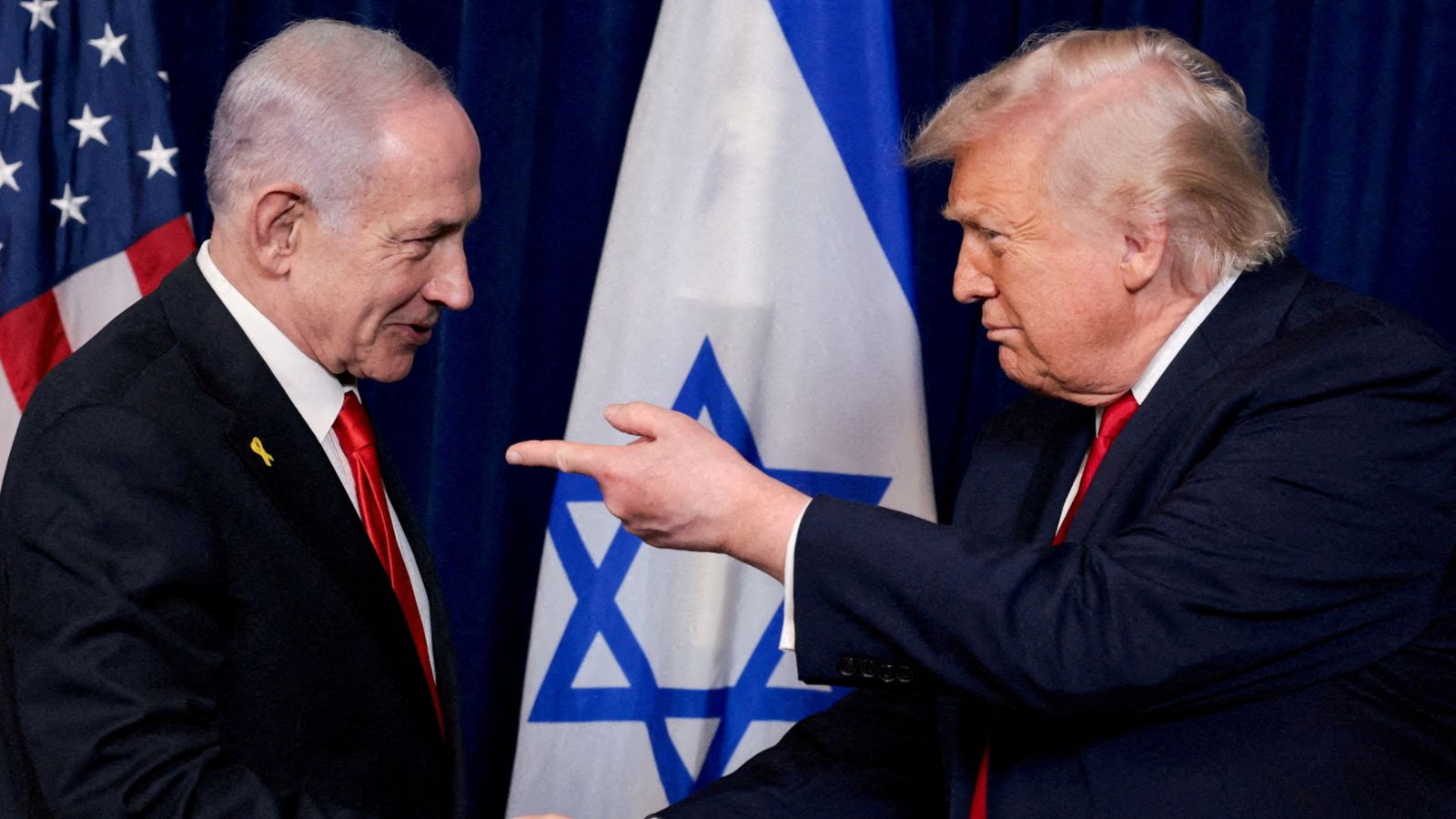
The mainstream political press is running its favorite tired script again. Donald Trump travels to Capitol Hill, a handful of anonymous Republican senators whisper to reporters about their deep "frustration," and pundits immediately declare a party fracture. They frame these closed-door meetings as desperate damage-control missions or tense showdowns where establishment lawmakers finally hold the line.
It is a comforting narrative for beltway insiders. It is also entirely wrong.
The media consistently misinterprets friction for weakness. In reality, the public tension between Donald Trump and institutionalist GOP senators is not a bug in modern conservative politics; it is the feature that drives it. For a populist leader, friction with legislative insiders is the ultimate proof of brand authenticity. The moment the Senate stops grumbling is the moment the outsider appeal dies.
The Lazy Consensus of Congressional Leverage
Political journalism suffers from a severe case of institutional bias. Reporters look at the Senate—with its archaic rules, committee structures, and multi-decade careers—and assume it holds the ultimate leverage over an executive or a party leader. When headlines scream about "growing frustration" among lawmakers, the underlying assumption is that Trump enters these meetings from a position of vulnerability, begging for compliance.
Let us correct that misunderstanding right now.
Power in modern American politics does not flow from the committee rooms down to the voters; it flows from the base upward. Senators do not tolerate Trump because they are under a temporary spell. They tolerate the tension because they know their own voters are loyal to the populist movement first and the institutional party second.
When a traditional senator leaks a complaint about party policy or executive rhetoric, they are performing a delicate balancing act for their own donor base or moderate suburban constituents. But when Trump walks into that room, the power dynamic is lopsided. The "frustration" reported by the press is actually a sign of legislative paralysis. Lawmakers are stuck between their historical desire for independent policy control and the stark reality that defying the base is political suicide.
The False Premise of the "United Front"
Watchdogs and analysts frequently ask: How can a political party govern effectively if its leaders are constantly at odds with its legislators?
The very premise of the question is flawed. It assumes that a political party’s primary goal must be smooth, friction-free legislative output. Historically, the most significant political realignments in American history—from Franklin D. Roosevelt's New Deal coalition to the Reagan revolution—were defined by massive, bitter internal warfare.
Imagine a scenario where a party leader completely synchronizes with the legislative establishment. The result is almost always a stagnant status quo that alienates the broader electorate. Conflict sells, but more importantly, conflict clarifies.
For the modern populist movement, institutional resistance is a vital validation mechanism. Every time a standard-bearing senator expresses skepticism over tariff policies, immigration mandates, or judicial appointments, it reinforces Trump's narrative to his voters: The establishment is trying to slow us down. Therefore, these Capitol Hill meetings are not rescue missions to patch up relationships. They are structured exercises in asserting dominance. The tension is the point. If everyone in that room emerged smiling and holding hands, the populist spell would break. The base would suspect a compromise had been made with the very machine they voted to disrupt.
The Cost of the Counter-Intuitive Approach
To be absolutely fair, leading through perpetual friction has a massive, undeniable downside. While it strengthens a leader's grip on the populist base and ensures absolute loyalty from the electorate, it makes the actual mechanics of governance incredibly messy.
I have watched political operations blow millions of dollars and countless hours of legislative momentum trying to force a unified consensus that was never going to happen. When you lean into conflict as a tool of control, you sacrifice the ability to pass clean, sweeping legislation. Instead, every bill becomes a hostage negotiation. Major policy initiatives get whittled down to executive orders because the legislative branch is too fractured to codify them into permanent law.
Executive orders can be wiped out by the next administration with a single stroke of a pen. Relying on an adversarial relationship with your own lawmakers means trading long-term institutional legacy for short-term political dominance. It is a high-stakes gamble that prioritizes immediate narrative victories over durable, systemic policy shifts.
Stop Asking the Wrong Questions about Party Unity
If you are still tracking whip counts and looking at anonymous quotes to measure the stability of a political movement, you are playing a game from 1998.
People always ask: When will the Republican party return to a traditional, unified legislative agenda? The brutal truth is: Never. The old model of a centralized party apparatus dictating policy from the top down is dead, buried under a mountain of failed consensus candidates and rejected compromise bills. The tension observed today is the new baseline of American governance.
Stop viewing senate frustration as a sign of an impending collapse or a shift in momentum. It is nothing more than the friction of a slow, permanent institutional realignment. The establishment lawmakers are not holding the line; they are managing their own obsolescence.
The next time you see a headline about senators growing weary of the drama, understand it for what it truly is: the sound of political machinery grinding gears because someone else is driving the car. Accept the friction. The conflict isn't breaking the system; it has become the system itself.