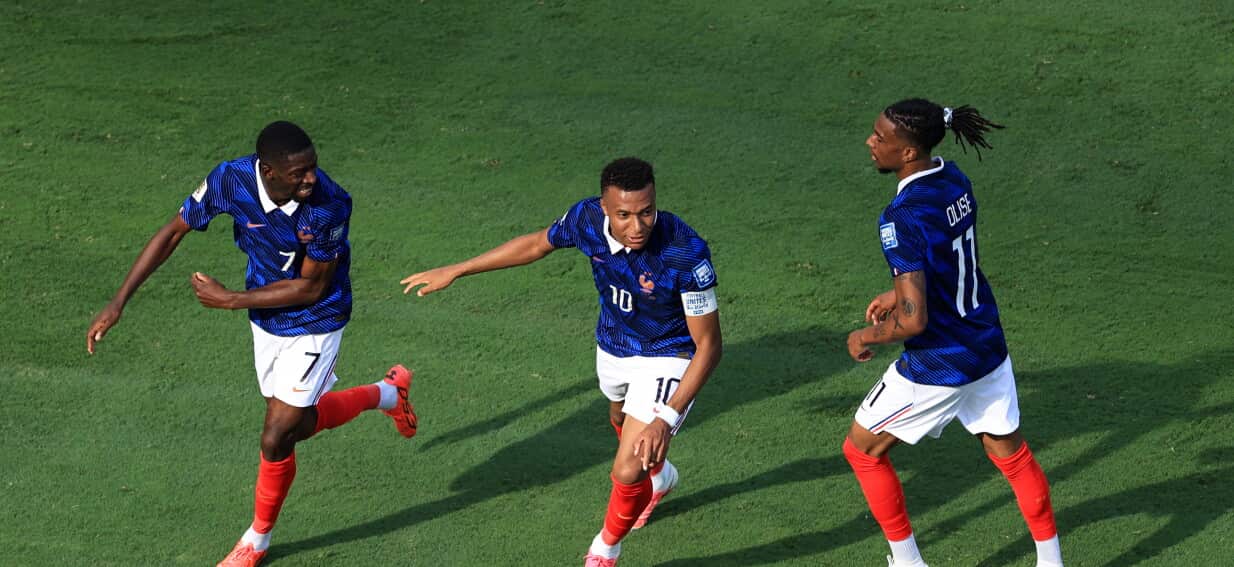
You could hear the collective gasp inside Miami Stadium all the way across the Atlantic. When Sidny Lopes Cabral whipped that impossible, curling right-footed strike past Emiliano Martinez in the 103rd minute, nobody cared about FIFA rankings anymore. For a brief, intoxicating moment on July 3, 2026, the tiny island nation of Cape Verde stood eye-to-eye with the reigning world champions. They didn't just survive against Lionel Messi and Argentina; they genuinely threatened to break the football world.
Even though a cruel 111th-minute own goal by Diney Borges ultimately sealed a -3-2 extra-time victory for La Albiceleste, the narrative coming out of South Florida wasn't about Argentine dominance. It was an absolute celebration of the Blue Sharks. Cape Verde entered the 2026 World Cup as tournament debutants with a calculated one percent chance of surviving Group H. They left the pitch in tears, but they also left as the undisputed heroes of the tournament.
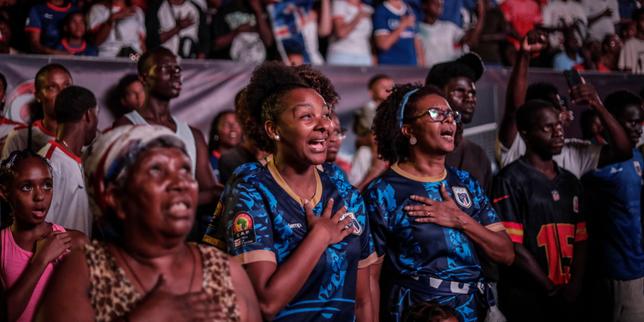
Fans back home in Praia and across the global diaspora aren't mourning a loss. They're celebrating a historic milestone that rewrote what is possible for small-nation football.
The Blueprint of a Giant-Killing Campaign
Everyone loves an underdog story, but people rarely appreciate the sheer tactical discipline required to pull one off. Cape Verde didn't get to the Round of 32 by parking a metaphorical bus and praying for luck. Head coach Bubista engineered a brilliant, rigid 4-1-4-1 system that completely disrupted some of the most expensive attacking frontlines on the planet.
Look at the group stage data. It sounds like fiction.
- A 0-0 draw against a star-studded Spain lineup in Atlanta, where the Spaniards held 74% possession and fired 27 shots, yet couldn't break the Blue Sharks.
- A wild 2-2 draw against Uruguay in Miami, proving Cape Verde could trade blows offensively when pushed.
- A gritty 0-0 stalemate against Saudi Arabia in Houston to secure an undefeated group stage progression.
Three games against veteran tournament teams. Zero losses. By the time they booked their flight to Miami to face Argentina, the Blue Sharks were already playing with house money. They became the smallest country to ever reach the knockout rounds of a 48-team World Cup, achieving the feat just months after celebrating 50 years of independence from Portugal.
Ninety Minutes of Sheer Terror for the Champions
The atmosphere in Miami resembled a home match for Argentina. A sea of blue and white filled the stands, expecting a comfortable stroll into the round of 16. Messi seemed to confirm those expectations in the 29th minute, latching onto a lofted pass from Lisandro Martinez, evading the backline, and hammering a spectacular finish into the roof of the net. It was Messi’s 20th career World Cup goal, and for most teams, that would signify the beginning of the end.
Cape Verde refused to follow the script.
Instead of collapsing under the weight of the Argentine press, midfielders Laros Duarte and Deroy Duarte kept their composure in possession. Kevin Pina anchored the center of the pitch, shielding the back four with immense physicality. In the 59th minute, the unthinkable happened. Deroy Duarte found space on the edge of the area and squeezed a low, driven effort past Martinez into the far corner. The stadium went dead silent, save for a tiny, ecstatic pocket of Cape Verdean fans.
Suddenly, the world champions looked frantic. Lionel Scaloni spent the final twenty minutes of regulation screaming from his technical area as Cape Verde routinely threatened on the counter-attack.
The Agony and Ecstasy of Extra Time
Extra time provided the kind of drama that makes the World Cup the greatest spectacle on earth. When Lisandro Martinez curled an absolute beauty into the top corner in the 92nd minute, it felt like reality had finally caught up with Cape Verde. Lesser teams would have checked out mentally, physically exhausted after chasing world-class athletes for an hour and a half.
What happened next will be replayed in Cape Verde for the next fifty years.
Sidny Lopes Cabral collected the ball wide, cut inside onto his right foot, and unleashed a looping, audacious strike that caught Emiliano Martinez completely off guard. The ball kissed the inside of the post and bulged the net. At 2-2 in the 103rd minute, the prospect of a penalty shootout loomed, and the Argentine bench looked visibly terrified.
Football can be exceptionally cruel. In the 111th minute, Messi swung in a dangerous corner. Cristian Romero rose above the crowd to flick a powerful header toward goal, and the ball took an unfortunate deflection off the arm of Diney Borges, trickling past the heroic Vozinha. It was a messy, heartbreaking way to lose a classic match, but it takes absolutely nothing away from the performance.
The Forty-Year-Old Wall in Goal
You cannot talk about this World Cup run without talking about Vozinha. The 40-year-old goalkeeper put on a absolute clinic throughout the tournament, culminating in an 8-save masterpiece against Argentina. Five of those saves came directly against Lionel Messi, including a breathtaking stop on a deflected 25-yard free kick in the first half.
Most modern pundits write off older keepers, preferring younger players with quicker lateral movement. Vozinha proved that elite positioning and veteran composure are irreplaceable assets on the international stage. He commanded his penalty box with total authority, turning away point-blank efforts from Lautaro Martinez and Julian Alvarez.
When the final whistle blew, Vozinha sank to his knees, burying his face in the turf. Messi himself walked over to console the veteran shot-stopper, a moment of mutual respect that illustrated exactly how much trouble the veteran keeper had caused the Argentine attack.
Building a National Team Through the Diaspora
The rise of Cape Verde offers a fascinating lesson in modern sports recruitment. With a domestic population of just around 600,000 people spread across an archipelago, the local talent pool is inherently limited. The secret to their competitiveness lies in their massive global diaspora.
The Cape Verdean federation spent years tracking down eligible players born in Portugal, France, the Netherlands, Switzerland, and the United States. They didn't just look for athletes; they looked for individuals who felt a genuine, deep connection to their heritage. Players like defender Roberto "Pico" Lopes and winger Jovane Cabral brought elite European academy experience to the national setup.
The government backed this footballing project completely. To minimize the grueling travel fatigue that typically plagues African nations during major tournaments, the state funded direct charter flights for the team, optimizing recovery times between matches. Combined with tactical funding from FIFA development programs to upgrade domestic pitches, Cape Verde built a sustainable infrastructure that punched well above its weight class.
Why This Group of Players Will Never Be Forgotten
Walking around the pitch after the match, coach Bubista summarized the feeling perfectly, stating that his squad successfully dignified the identity of their nation. They drew with former world champions, pushed the reigning kings to the absolute precipice, and never compromised their style of play.
They earned the respect of their opponents. Scaloni explicitly admitted in his post-match press conference that Cape Verde blew away any lingering notions that small nations provide easy fixtures.
For the fans who flooded the streets of Praia, Mindelo, and Boston, this tournament wasn't a tragedy. It was a declaration of arrival. Cape Verde showed that organization, passion, and intelligent recruitment can close the massive financial gap that dominates modern international football.
If you want to capitalize on the momentum of this historic tournament run, the next steps for Cape Verdean football are entirely obvious. The federation must immediately reinvest tournament revenues into youth academies on the islands to ensure the next generation of domestic talent matches the quality of the diaspora. Local clubs need upgraded facilities, and scouts must expand their net across European leagues to identify the next teenage prospects eligible for the Blue Sharks. The blueprint works. Now, it's time to scale it up for the next qualifiers.