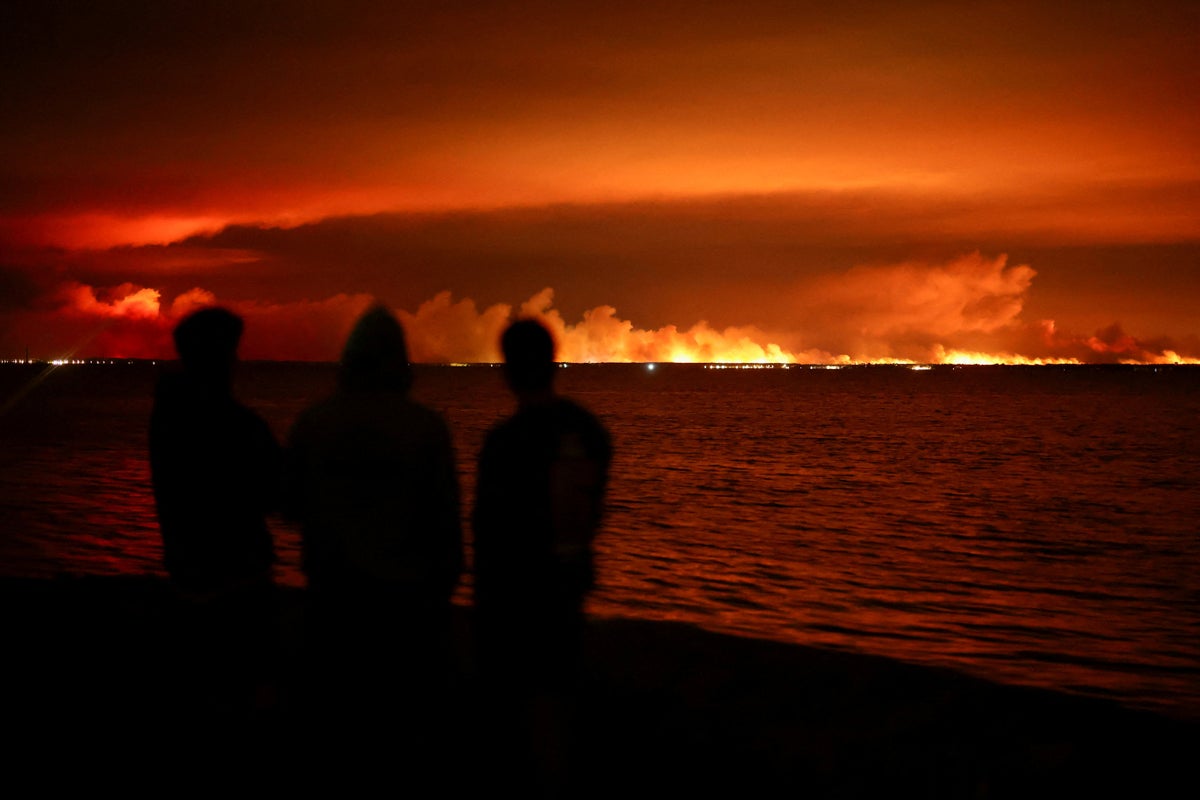
When a raging wildfire threatens a narrow spit of land packed with 40,000 summer vacationers, panic isn't just a possibility. It's built right into the geography.
That's the harsh reality facing Cap Ferret right now. The famed French Atlantic peninsula, known for its pine forests, oyster shacks, and celebrity retreats, is undergoing a massive, urgent evacuation. With flames ripping through more than 10,000 hectares of dried-out pine forest in the Gironde region, authorities made the call to clear out the entire peninsula by land and sea. Meanwhile, you can find similar developments here: Why Iran's Latest Base Strikes Signal a Dangerous New Phase in Middle East Warfare.
The situation got critical fast. As the fire jumped key containment lines, officials realized the single road leading off the peninsula, the D106, couldn't handle the exodus alone. That forced local authorities to launch a sea bridge, deploying dozens of private boats and public ferries to haul thousands of stranded tourists across the Bay of Arcachon to safety in Arcachon.
It's a dramatic operational rescue, but it also reveals a terrifying structural risk that coastal tourist hubs around the world keep ignoring. To understand the full picture, we recommend the excellent report by Associated Press.
The Geography Traps Vacationers When Fires Hit
Cap Ferret isn't built for a quick escape. It's a long, slim strip of land flanked by the Atlantic Ocean on one side and the calm waters of the Bay of Arcachon on the other. There is exactly one main asphalt artery connecting its coastal villages back to Bordeaux and the mainland.
When fires broke out near Saumos and rapidly expanded into major infernos, that single highway became an instant bottleneck.
Cap Ferret Peninsula Layout:
[ Atlantic Ocean ]  === [ Single Road: D106 ] ===> Mainland / Bordeaux
                    === [ Cap Ferret Villages ]
[ Arcachon Bay ]    ===> Evacuation Ferries to Arcachon Port
When 40,000 people try to leave through a single two-lane road at the same time, gridlock is guaranteed. Add low visibility from thick smoke, drifting embers, and emergency vehicles trying to drive toward the flames, and that road turns into a hazard rather than a route out.
Regional Prefect Sophie Brocas had to trigger the final phase of evacuation early, directing people toward four specific piers to catch emergency sea shuttles between 7:00 AM and 10:00 AM. Without those boats, thousands would have been trapped at the tip of the spit with nowhere to run.
The Brutal Reality of Pine Forest Tinderboxes
Why did this fire spread so fast? Look at the vegetation.
The Landes forest, which covers much of Gironde and surrounds Cap Ferret, is largely made up of maritime pine trees. Pine wood, pine needles, and resin act like solid fuel when dry. Match that with back-to-back European heatwaves, zero precipitation, and unpredictable winds, and you get an explosive combination.
Interior Minister Laurent Nuñez confirmed that around 80 homes have been hit, with at least 50 totally destroyed. Over 1,000 firefighters are on the ground, backed by military engineering units, water-bombing planes, and helicopters. France even asked for help through the European Union's Civil Protection Mechanism, bringing in specialized firefighting aircraft from Croatia, Portugal, and the Czech Republic.
Even with massive aerial firepower, forest fires in dense, resinous woods can outrun human response. When dry winds push flames across established firebreaks, land-based defense lines crumble in minutes.
What To Do If You're Caught in a Coastal Wildfire Evacuation
If you regularly travel to coastal peninsula spots, islands, or beach towns with limited road access, you can't rely solely on municipal announcements. You need a personal evacuation plan the day you check into your rental or campsite.
- Identify secondary exit points immediately. If a location only has one main road, locate every public pier, dock, or marina nearby right away.
- Keep your vehicle fuel tank above half. Gas stations in evacuation zones get swamped fast or run out of fuel completely during power cuts.
- Pack a lightweight go-bag. If you're ordered onto a rescue boat, you'll be limited to hand luggage. Keep passports, medications, chargers, and essential documents in one easy-to-grab bag.
- Monitor local maritime channels and regional prefecture feeds. Local police might tweet road closures, but local harbor masters often manage the actual water transfers.
- Leave before the mandatory order. If smoke is visible and you're on a peninsula, don't wait for the official door-knock. Traffic escalates fast; leaving two hours early makes the difference between an easy drive and a 6-hour crawl.
The Cap Ferret rescue proves that relying on a single road for thousands of tourists in high-risk zones is an accident waiting to happen. Coastal destinations will have to rebuild their emergency blueprints around marine evacuations, because climate-driven wildfires aren't going away anytime soon.


