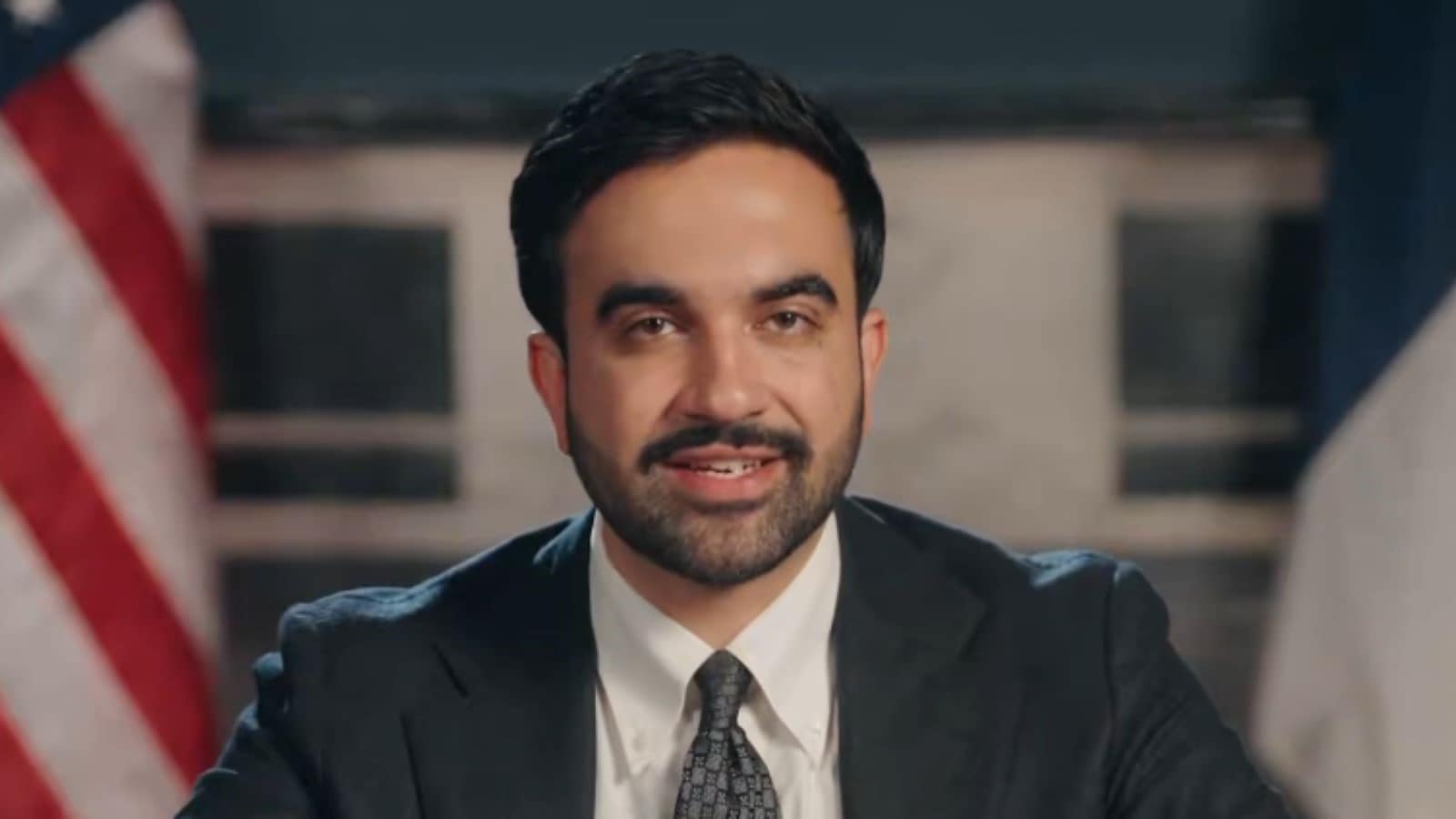
When New York City Mayor Zohran Mamdani addressed the public in fluent Bengali to announce a major lottery initiative for free Broadway tickets, traditional political pundits lost their composure. Conservative outlets screamed about identity politics gone awry, framing the linguistic shift as an alienating stunt designed to fracture civic unity. They missed the forest for the trees. This linguistic agility was not a superficial trick meant to generate quick viral moments on social media. It was a calculated masterclass in coalition-building that exposes the structural flaws of traditional American political campaigning.
For decades, urban politicians treated immigrant communities as transactional entities. They showed up during election cycles in Queens or Brooklyn, ate a slice of local cuisine for the cameras, and relied on translated brochures that read like uninspired legal disclaimers. Mamdani's approach strips away that sterile artifice. By communicating directly in Bengali, Spanish, Urdu, or Hindi, he bypasses the gatekeepers of mainstream municipal discourse. He speaks directly to the working-class backbone of New York City in the tongues spoken at their kitchen tables. Expanding on this idea, you can find more in: Why Trump Blaming National Mall Grass Damage on Vandals Misses the Point.
Critics who claim this approach drives people "nuts" fundamentally misunderstand the demographic reality of modern America. New York is a polyglot metropolis where over two hundred languages echo through the subways every single day. A mayor who restricts himself exclusively to English-language idioms is artificially capping his ability to govern effectively. Language is an instrument of trust. When a municipal leader takes the time to master regional dialects or immigrant tongues, it signals an institutional respect that transcends standard political pandering.
Consider the mechanics of the policy that triggered the latest linguistic uproar. The initiative delivered over two thousand free Broadway tickets to public high school students through a partnership with the Theater Development Fund. Cultural institutions in Manhattan have historically operated as exclusive country clubs for the elite, far removed from the daily realities of teenagers growing up in Jackson Heights, Astoria, or the South Bronx. By rolling out this program with targeted, multilingual outreach, the administration ensured that marginalized families understood the opportunity belonged to them, too. Experts at Al Jazeera have shared their thoughts on this situation.
Traditional political analysts often view multilingual communication through a lens of division. They argue that fragmenting languages weakens a unified American identity. That argument collapses under the weight of historical precedent. Irish, Italian, and Yiddish politicians used their native idioms and cultural touchstones to organize urban America a century ago. They built powerful political machines by making immigrant populations feel seen and valued within the civic machinery. What Mamdani is executing is simply a modern digital-age iteration of machine-era populism, updated for a South Asian and immigrant diaspora that has spent decades treated as invisible footnotes in City Hall budget reports.
The panic from establishment critics stems from a loss of narrative control. For generations, local politics was mediated entirely by English-language legacy newspapers and broadcast networks. When a politician can drop a policy announcement in Bengali, Urdu, or Spanish and achieve immediate organic resonance, he short-circuits the traditional filter. He establishes a direct channel to constituencies that previously felt alienated by the inner workings of municipal government.
This strategy carries inherent risks. Pushing identity-forward governance requires an administration to deliver concrete material outcomes, otherwise the cultural signaling curdles into empty cynicism. Free Broadway tickets and targeted rent freezes provide immediate tangible relief, but the deeper test lies in housing reform, transit equity, and municipal budgeting. If the administrative machinery fails to fix crumbling public housing or clean up neglected commercial corridors, multilingual charm offensive tactics will quickly exhaust their utility. Working-class voters do not forgive broken promises simply because they were delivered in their mother tongue.
Yet dismissing these multilingual addresses as mere political theater is a profound analytic error. Zohran Mamdani understands that the old rules of engagement are broken. The electorate is fractured, skeptical, and exhausted by politicians who sound like focus-grouped algorithms. By embracing linguistic pluralism with unapologetic confidence, he has rewritten the playbook for urban political survival. The noise from his detractors is not a sign of a failing strategy; it is the sound of an outdated establishment realizing it no longer holds the monopoly on how New York talks to itself.
The Evolution of NYC Politics: Zohran Mamdani's Multilingual Campaign Strategy
This archival footage details how multilingual campaign tactics and direct community outreach fundamentally reshaped the dynamics of local New York elections.