Mainstream political desks love treating Arizona like a standard cable news theater. They obsession-scroll Maricopa County vote counts, breathlessly analyze candidate Twitter spats, and treat every primary night like a soap opera.
They are looking at the wrong variables.
The media consensus pretends that Arizona elections hinge on high-profile personality clashes or national culture-war rhetoric. I have spent decades analyzing western election mechanics and campaigns, and I have watched political operations blow tens of millions of dollars operating under that exact illusion.
Here is why the standard playbook for analyzing Arizona elections is fundamentally broken—and what actually dictates power in the Grand Canyon State.
The Myth of the Swing District Savior
Every cycle, national political committees shower millions on competitive suburban districts around Phoenix and Scottsdale, hyping up candidate resumes like former anchors, ex-athletes, or career lawmakers. Party bosses run campaigns out of Washington, treating suburban voters in Maricopa County like moderate swing voters from Pennsylvania or Ohio.
That strategy fails to account for how Southwestern voters actually think.
Arizona independent voters are not moderate consensus-builders looking for a polite compromise. They are anti-institutionalists. When national party committees drop millions on targeted advertising, they do not persuade voters—they aggravate them.
The data confirms this mismatch:
- Unaffiliated voters make up more than a third of the state’s electorate, outnumbering registered Democrats and rivaling Republicans.
- Arizona allows independents to pick either party's ballot in primary contests, rendering closed-door primary models useless.
- Turnout among non-party registrants is driven by local, systemic pressure points—not national party messaging.
Campaigns that lean heavily on national party endorsements or traditional partisan themes systematically misread who actually turns out to vote when the dust settles.
The Maricopa Delusion
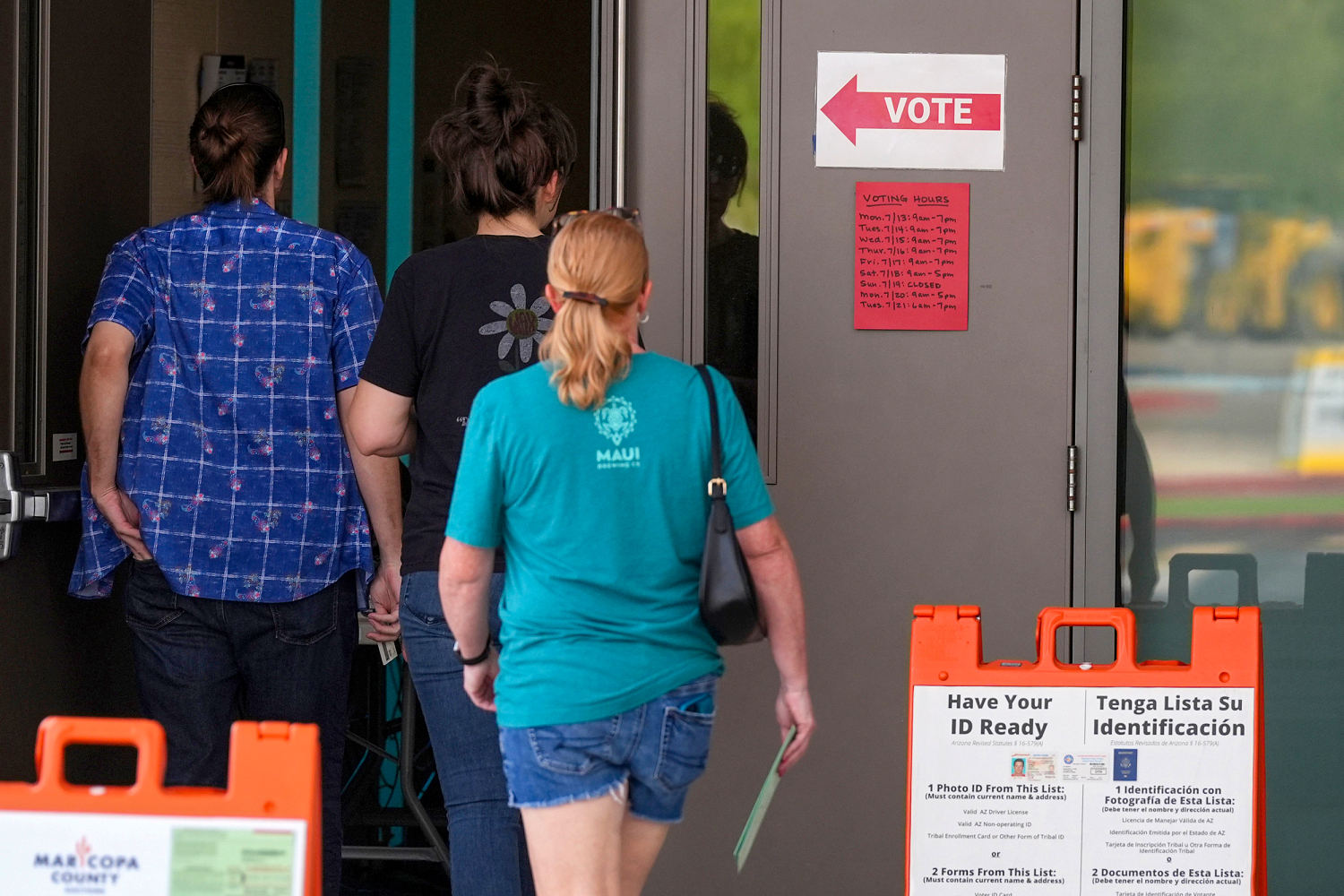
Every election night, news desks panic over delayed vote tallies coming out of Maricopa County. Pundits spin wild theories live on air, filling airtime with baseless speculation while local election workers process mail-in ballots.
This cycle of panic proves that national media still does not understand how early voting in Arizona works.
Mainstream TV Myth: Delayed primary night results = political drama or voting dysfunction.
Mechanical Reality: Over 80% of voters drop off mail ballots at the deadline, requiring mandatory signature verification by law.
When hundreds of thousands of late-dropped early ballots arrive at polling locations on election day, processing takes days. It is not a crisis. It is standard operating procedure written into state statute. The frantic commentary from cable news desks does not inform viewers; it creates manufactured outrage out of ordinary administrative mechanics.
What Actually Moves the Needle
If candidate drama and cable news rhetoric do not determine Arizona’s political future, what does? Follow the resources and statutory mechanics.
1. Water Infrastructure Over Party Lines
Candidates can talk about national talking points all day, but local political clout is tied directly to the Colorado River and groundwater management. Voters in fast-growing suburbs care far more about whether local municipal water districts can sustain residential permits than whether a candidate carries a presidential endorsement.
2. The Failure of High-Dollar Media Blitzen
The traditional strategy of buying out local television ad slots weeks before an election is dead in the West. With over 80% of citizens voting by mail weeks in advance, campaigns dropping major ad buys in the final 72 hours are burning capital on voters who have already dropped their signed ballots into a box ten days prior.
3. Judicial and Local Administrative Races
While national anchors fixate on high-profile Congressional seats, the real policy decisions shifting daily life happen in county board meetings and local water management boards. These low-visibility races drive turnout among hyper-engaged, policy-focused locals far more effectively than top-of-ticket noise.
Stop letting political commentators treat complex Southwestern electoral mechanics like a simplistic national sports broadcast. They are analyzing yesterday’s playbook while the ground shifts beneath their feet.
Throw out the national consensus, turn off the cable news panels, and look at the actual statutory mechanics.