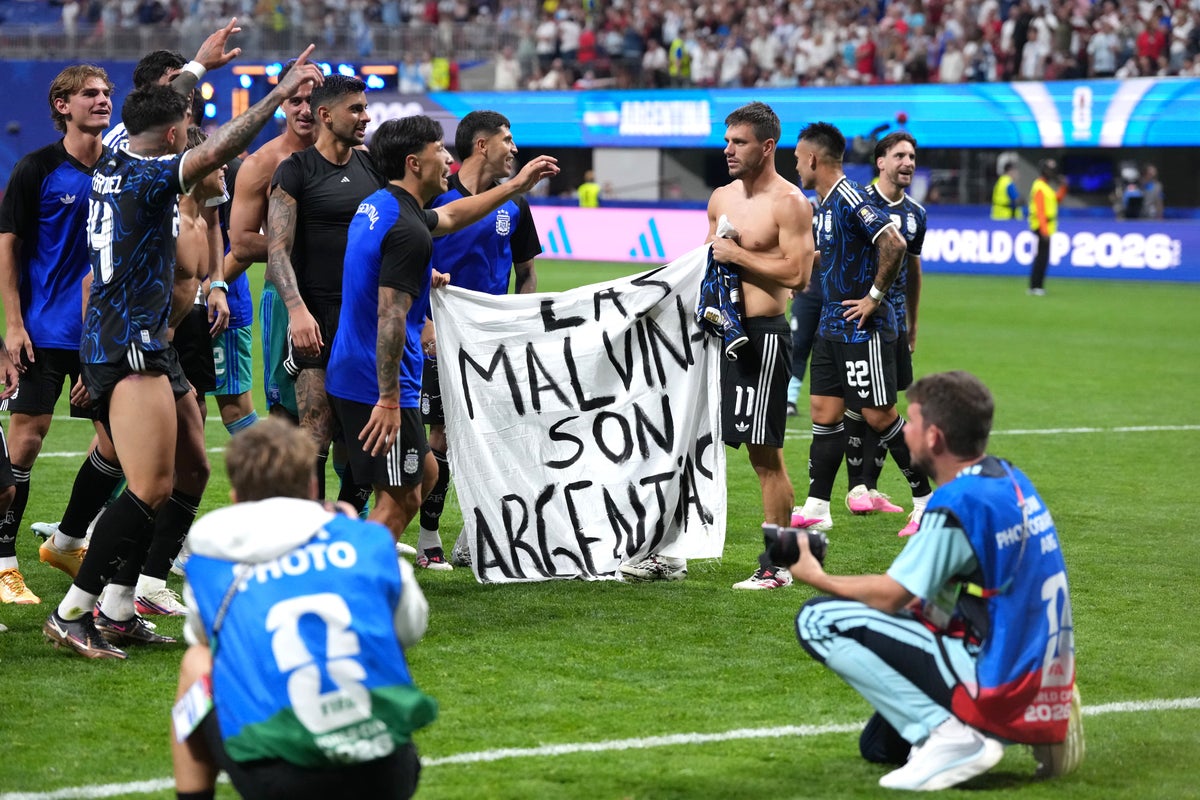
When Joan Capdevila, a decorated veteran who helped lift the World Cup trophy for Spain in 2010, took to social media to beg a sitting American president for safe passage into New York, the facade of the world’s most lucrative sporting event officially cracked. Capdevila was not trying to sneak across a physical frontier. He was trying to board a commercial flight with his children to watch Spain face Argentina in the final match of the tournament. Instead, an automated screening system flashed a rejection notice, instantly revoking his Electronic System for Travel Authorization, better known as the ESTA.
The immediate reaction across the sporting world was one of bewilderment. How does an international icon, backed by the immense political weight of the Royal Spanish Football Federation and FIFA, get locked out of the biggest stadium in North America? The answer lies not in a clerical error, but in a vast, uncompromising bureaucratic machine that cares nothing for athletic pedigree or multi-million-dollar tournaments.
This is the hidden crisis of the current international soccer schedule. While global soccer executives spent years promising a borderless celebration of unity and athletic excellence, the reality on the ground has been defined by rigid immigration policy, security protocols, and diplomatic standoffs. Capdevila is merely the most famous casualty of a system that has quietly disrupted teams, referees, and families since the opening match. The intersection of sports and national security has turned the tournament into a administrative nightmare.
The Algorithmic Wall That Stopped a Champion
To understand why a world champion is stuck watching the final on a television screen in Spain, one must understand the digital dragnet used by the United States. The ESTA program allows citizens from selected nations to travel to America without a formal visa. It relies heavily on automated databases that cross-reference travel history, law enforcement records, and national security watchlists.
A single flag triggers an automatic denial. The system is designed to reject first and ask questions later. For ordinary travelers, a denial means scheduling an interview at a U.S. consulate, a process that normally takes months. For an elite athlete or a retired legend trying to catch a match in forty-eight hours, it is a definitive end to their journey.
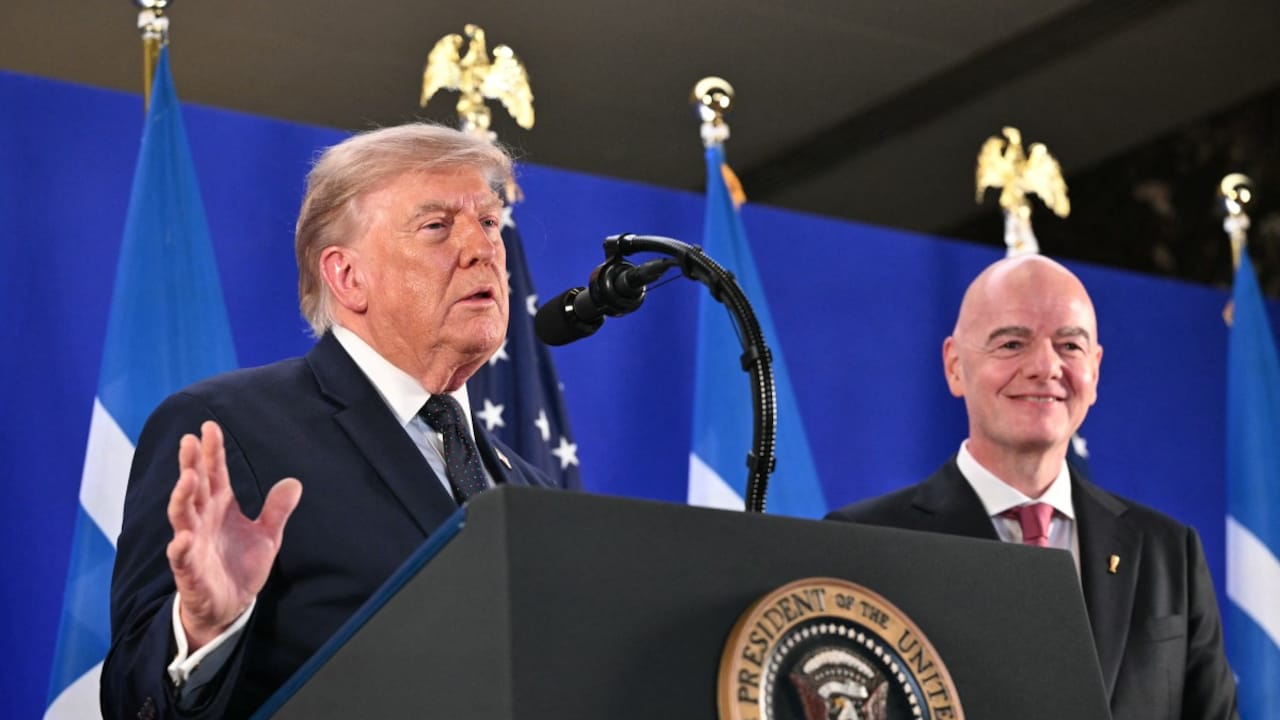
The system does not offer an appeals process that operates on the timeline of a sporting tournament. Capdevila’s public plea to the American administration and the Secretary of State highlighted the sheer desperation of those caught in this legislative net. When the algorithms flag an individual, human intervention is rare, difficult to secure, and politically sensitive.
The security apparatus treats a soccer player exactly like any other foreign national. If an individual has visited a country deemed sensitive by Washington, or if their name matches a entry in a security index, the clearance vanishes. The exact reason for Capdevila's specific rejection remains shielded by privacy laws, but the mechanical nature of the refusal is entirely consistent with standard American border policy.
A Tournament Plagued by Administrative Friction
The exclusion of a Spanish legend is not an isolated incident. It is the continuation of a pattern that has compromised the integrity of the competition for weeks. Earlier in the tournament, the mother of Cape Verdean goalkeeper Vozinha was unable to travel to witness her son’s historic performances because of the complex financial and administrative hurdles imposed by modern visa regulations.
Smaller footballing nations have borne the brunt of these policies. While wealthy European federations employ legal teams to clear pathways for their delegations, smaller nations are left to navigate the paperwork alone. Security protocols forced members of the Iranian backroom staff to remain outside the country entirely, forcing the squad to establish a base in Mexico just to maintain operational stability. Somali referee Omar Artan found himself barred from officiating altogether due to immigration restrictions.
This imbalance alters the competitive environment. A tournament that claims to welcome the entire globe instead filters that participation through the lens of domestic immigration policy. When referees are replaced and support staff are sidelined by administrative decrees, the fairness of the competition is degraded.
The financial cost of these barriers is staggering. For the family members of players from developing nations, the requirement to post thousands of dollars in travel bonds or face endless delays creates an insurmountable barrier. The tournament becomes an exclusive club, accessible only to those who hold the correct passports or possess the institutional leverage to bypass standard vetting.
The Blind Spot in the Global Expansion Plan
Football executives bear direct responsibility for this friction. When the tournament was expanded to forty-eight teams and spread across an entire continent, the organizers operated under the assumption that the host nations would modify their domestic laws to accommodate the influx of visitors. This was a massive miscalculation.
National governments rarely rewrite their security frameworks for a sports tournament. The American administration has maintained its focus on strict border controls, refusing to create blanket exemptions for the sporting industry. The result is a fundamental disconnect between the corporate ambitions of sports governing bodies and the sovereign realities of the nations that host their events.
The planning phase of this cycle focused heavily on stadium capacities, broadcast rights, and corporate sponsorships. Little attention was paid to the reality that hundreds of thousands of fans, family members, and former players would be subjected to a screening process designed to minimize entry rather than facilitate it.
The warning signs were visible years ago. Major international conferences and sporting events held in North America have frequently faced similar visa backlogs and entry denials. Yet, the governing bodies continued to expand the scale of the competition without securing the necessary diplomatic agreements to guarantee passage for the participants who give the event its value.
The Political Reality of the Beautiful Game
The decision by high-profile figures to appeal directly to political leaders via public platforms reveals the breakdown of traditional sports diplomacy. When institutional channels fail, individuals resort to public lobbying. This strategy is highly unpredictable.
Fixing a visa issue via an executive decree sets a complicated precedent. If a government intervenes to allow a famous athlete into the country, it highlights the inherent unfairness faced by thousands of ordinary citizens who remain separated from their families by the same bureaucratic barriers. The public nature of Capdevila’s appeal forces a choice between enforcing standard national policy and granting celebrity privileges to appease sports fans.
The crisis also exposes the vulnerability of future international events. With major global tournaments scheduled to return to the region over the next decade, the current friction serves as a warning. If a World Cup winner cannot secure entry to watch a match, the average international supporter faces an even more precarious situation.
The governing bodies must now confront the reality that their global expansion strategy is hitting a wall built from policy, algorithms, and national sovereignty. The belief that soccer could transcend the realities of international borders has been thoroughly disproven by a computer terminal at an airport checkpoint. The tournament will conclude, a trophy will be raised, but the administrative cracks left behind will shape the industry for a generation.