Donald Trump is no longer just targeting Iran’s oil. In a series of escalating threats issued this week, the President warned that the United States is prepared to "obliterate" Iran’s critical infrastructure—specifically its massive desalination plants—if a comprehensive deal isn't reached "shortly." This isn't just about cutting off the regime's bank account; it is a direct threat to the literal lifeblood of the Iranian people. By putting water security on the chopping block, the administration is moving toward a total-war posture that treats civilian survival as a legitimate bargaining chip.
The strategy is as simple as it is terrifying. Iran is currently grappling with one of the worst droughts in its modern history. Decades of mismanagement, combined with a changing climate, have left the country’s central plateau parched and its groundwater reserves depleted. To combat this, Tehran has spent billions on "mega-projects" designed to pump desalinated water from the Persian Gulf and the Gulf of Oman into the heart of the country. If those plants go dark, the tap doesn't just stop running in government offices; it stops in the homes of millions.
The Weaponization of Thirst
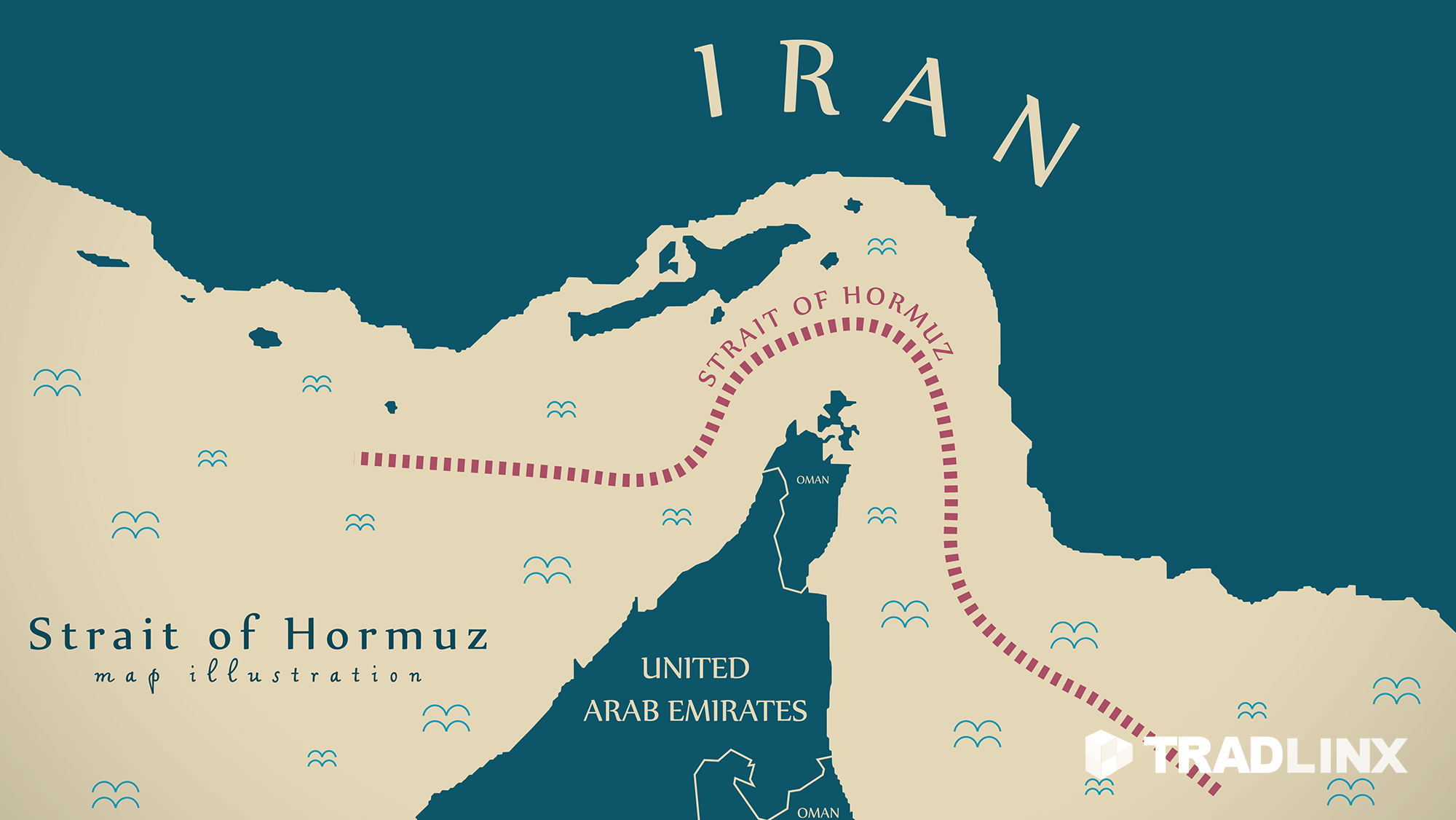
In the high-stakes world of Middle Eastern geopolitics, we usually talk about "chokepoints" like the Strait of Hormuz in terms of oil tankers and global energy prices. But there is a second, more intimate chokepoint that rarely makes the front pages: the intake valves of desalination facilities.
Modern Iran has pinned its internal stability on the Iranian Plateau Water Transfer Project. This is an engineering marvel, a network of steel pipes spanning over 3,700 kilometers, powered by massive industrial plants that strip the salt from seawater. These facilities are the only thing standing between the Iranian population and a domestic collapse fueled by water riots.
By threatening these sites, Trump is leaning into a "maximum pressure" campaign that transcends economic sanctions. He is betting that the threat of a humanitarian catastrophe will force the Supreme Leader’s hand. However, this isn't a one-way street. The Iranian Revolutionary Guard has already signaled its response, hitting a water and electrical plant in Kuwait and threatening similar strikes across the Gulf.
A Region Built on Brittle Foundations
To understand why this threat is so potent, you have to look at the map. The Persian Gulf states are, in a very literal sense, "Saltwater Kingdoms." They have built some of the most advanced societies on earth in a region that cannot naturally support them.
- Kuwait is almost entirely dependent on desalination for its municipal water.
- The UAE relies on it for nearly 90% of its drinking water.
- Saudi Arabia operates the world’s largest plants, like Ras al-Khair, which can produce a million cubic meters of fresh water every day.
These plants are high-value, stationary, and incredibly fragile. They are "soft targets" in the truest sense. A single well-placed drone or missile can take a facility offline for months. Unlike an oil refinery, which can be bypassed or repaired while the world relies on reserves, water has no "strategic reserve" that can last a population through a hot summer if the main plants are destroyed.
The President’s rhetoric ignores a grim reality: if the U.S. starts blowing up Iranian water plants, Iran will almost certainly do the same to U.S. allies in the region. We are looking at a scenario where the entire Gulf could become uninhabitable within weeks of a full-scale infrastructure war.
The Legal and Moral Gray Zone
There is also the matter of international law, though that rarely seems to slow down the current administration. Under the Geneva Conventions and the Rome Statute, targeting indispensable civilian infrastructure—like drinking water installations—is generally considered a war crime. Proponents of the strike argue that these plants are "dual-use" because they support the military and the industrial economy.
That is a thin legal needle to thread. When you destroy a desalination plant, you aren't just slowing down a tank factory; you are ensuring that children in the surrounding 50 miles have nothing to drink. The administration’s gamble is that the threat of this horror is enough to avoid having to actually execute it. But in the Middle East, threats have a habit of becoming reality before anyone can find the off-ramp.
The Price of 15 Points
The current tension stems from a "15-point peace plan" the Trump administration sent to Tehran. It’s a maximalist document that demands a total end to Iran’s nuclear program and severe limits on its missile reach. Trump claims "great progress" is being made and that the Iranians are "begging" for a deal. Tehran, meanwhile, calls the demands "irrational."
This disconnect is where the danger lies. Trump’s preference for "taking the oil"—exemplified by his fixation on Kharg Island—is a known quantity. But the pivot to water infrastructure suggests a new level of frustration within the Oval Office.
The Logistics of Destruction
What would a strike on these facilities actually look like? It wouldn't require a ground invasion. The U.S. and Israel have already demonstrated the ability to hit precision targets deep inside Iranian territory using long-range standoff weapons and stealth assets.
The targets would likely include:
- Bandar Abbas Complex: The nerve center for water transfer to the central provinces.
- Qeshm Island Facilities: Smaller but vital plants that sustain the local population and military outposts.
- Bushehr Intakes: Where water and nuclear power production are dangerously intertwined.
The immediate aftermath would be a mass exodus from urban centers as the water pressure drops. In a country already brittle from inflation and political unrest, a dry tap is the one thing the security forces cannot suppress with batons and tear gas.
The Intelligence Gap
There is a nagging suspicion among career analysts that the White House is overestimating the regime's breaking point. History shows that when a population's core survival is threatened by a foreign power, they often rally around the flag—even a flag they previously despised.
By making water a weapon, the U.S. risk transforming a "regime change" mission into a "people's war." If the goal is to bring Iran to the table to sign a 15-point plan, destroying their ability to hydrate their citizens is a counter-intuitive way to start the conversation.
The market is already reacting. Oil prices are surging not just because of the threat to the wells, but because of the instability this kind of "total infrastructure" threat introduces to the entire Gulf. Investors hate uncertainty, and there is nothing more uncertain than a region where the water supply is tied to the daily whims of a social media feed.
The administration needs to decide if it wants a deal or a desert. You can’t negotiate with a ghost town, and you can’t build a stable Middle East on the ruins of the very systems that keep people alive.
The clock is ticking. The "shortly" in Trump’s ultimatum is undefined, but the heat of the Persian Gulf summer is not. If a deal isn't reached before the mercury hits 110 degrees, the world will find out exactly what happens when water becomes the ultimate weapon of war.