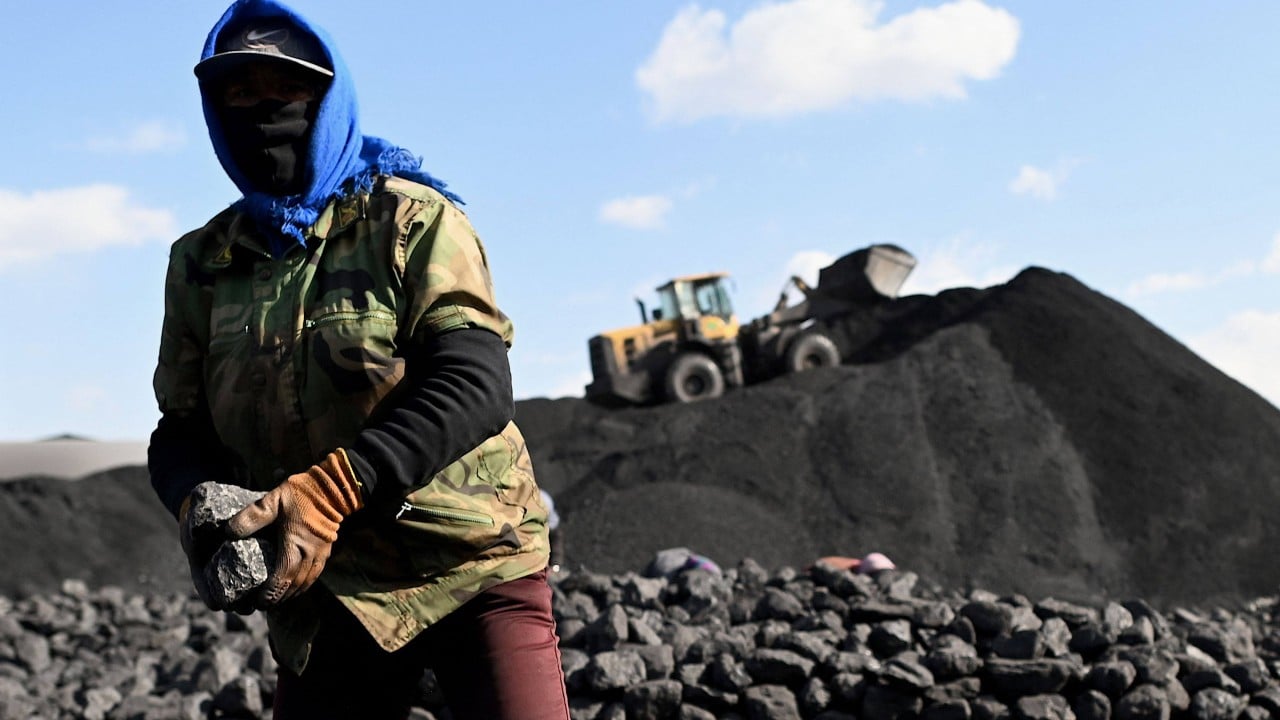
Shanxi province is learning that you cannot simply build museums over mine shafts and call it an economic transition. A recent spate of fatal mining accidents has exposed the dangerous friction between northern China’s push for a clean, culture-driven economy and the brutal realities of national energy security. Beijing wants Shanxi to become a tourism hub, celebrating its ancient wooden architecture and revolutionary history. Yet, when the national grid faces a winter cold snap or a manufacturing surge, the central government demands more coal. This dual directive creates a volatile environment where safety standards are compromised to meet production quotas while local officials try to paint a picture of a post-industrial renaissance.
The strategy of shifting a major heavy-industry hub toward tourism faces severe structural obstacles. It is a gamble that risks both human lives and billions in capital.
The Illusion of the Post Coal Economy
For the past decade, Taiyuan and Datong have been flooded with investment aimed at rebranding Shanxi as a cultural oasis. The province boasts more intact pre-Ming Dynasty buildings than any other part of China. Local governments have poured money into restoring ancient city walls, financing historical dramas, and converting abandoned open-pit mines into sprawling ecological parks.
This transformation looks impressive on state television. It collapses under fiscal scrutiny.
Tourism revenue cannot replace the economic weight of coal. Mining accounted for the vast majority of Shanxi’s industrial output for decades, providing high-paying blue-collar jobs, funding local infrastructure, and generating massive tax revenues. A tour guide at the Yungang Grottoes earns a fraction of what a veteran continuous-miner operator commands. The service sector jobs being created are seasonal, precarious, and concentrated in a few urban centers. The rural counties, where the mines actually sit, see little of this tourist money. They are left with depleted aquifers, sinking land, and a desperate need to keep the coal carts moving just to balance their books.
The Hidden Cost of the Dual Mandate
Local bureaucrats are caught in an impossible vice. On one hand, their promotion tracks are tied to provincial carbon-reduction targets and the successful promotion of the new cultural image. On the other hand, national planning agencies issue strict, non-negotiable production directives whenever energy shortages threaten major manufacturing provinces like Guangdong or Zhejiang.
When a province is told to simultaneously restrict coal consumption and maximize coal extraction, safety becomes the variable that gives way.
Overtime and Overburden
To meet sudden spikes in demand without opening new, officially sanctioned faces, older mines are pushed past their design capacities.
- Accelerated extraction rhythms mean that mandatory maintenance windows for ventilation systems and roof support checks are shortened or skipped entirely.
- Subcontracting networks have proliferated, allowing main operators to distance themselves from the high-risk, low-tech clearing work that leads to sudden collapses or gas outbursts.
- Methane drainage protocols are frequently rushed, leaving pockets of highly volatile gas trapped in the rock formations as cutting heads advance too quickly.
This is not a failure of technology. It is a failure of logic. The modern, automated longwall mining equipment imported from Germany and the United States works exceptionally well under steady, predictable operating conditions. It becomes dangerous when operated under erratic, politically motivated production spikes. When the command comes down to stabilize the national grid, the priority is tonnage, not the long-term stabilization of the geological strata.
The Cultural Facade and the Reality of Capital
The rush to fund cultural projects has created a strange architectural dichotomy across the province. In Datong, manicured tourist districts sit within driving distance of processing plants coated in gray dust. This spending mismatch has drained local budgets that should have been used for industrial remediation and worker retraining.
Municipalities have taken on immense debt to build grand theaters, high-tech museums, and exhibition centers. They assumed that affluent travelers from Shanghai and Beijing would arrive in numbers large enough to service the bonds. That influx has not materialized at the scale required. Shanxi’s climate is harsh, featuring brutal winters and dusty springs, which limits the prime tourist season to a few months in the summer.
Meanwhile, the funding available for coal-bed methane extraction research, miner retraining programs, and the structural reinforcement of older shafts has dwindled. The province has spent its surplus on the appearance of change rather than the mechanics of it. Money went into theme parks while the older, state-owned mining enterprises struggled to fund pensions and medical care for a generation of workers suffering from pneumoconiosis.
The Failure of the Just Transition Model
Western and Asian industrial regions alike have long chased the myth of the smooth transition. The narrative suggests that a region can move from resource extraction to a service-and-knowledge economy without systemic pain. It rarely happens.
In Shanxi, the workers being displaced by mine consolidations and closures are not the ones being hired to manage boutique hotels or curate digital art installations. There is a profound skills mismatch that no short-term government training seminar can fix. A forty-five-year-old heavy machinery mechanic cannot easily re-skill into a hospitality worker, nor do they want to accept the drastic pay cut that comes with it.
The Geography of Disinvestment
The economic pain is highly localized. While Taiyuan enjoys new high-speed rail connections and clean energy bus fleets, the smaller towns in the Lüliang mountains are hollowed out.
When a local mine slows down or closes under environmental mandates, the entire ecosystem of the township dies. The small restaurants, the repair shops, and the local schools shut down. The younger population migrates to coastal cities, leaving behind an aging demographic dependent on dwindling local subsidies. This creates an intense undercurrent of resistance to the cultural shift. Local officials in these remote districts know that their immediate survival depends on keeping the local mine open, by any means necessary, regardless of the broader provincial narrative.
Energy Security Trumps Environmental Aesthetics
The fundamental flaw in the culture-over-coal strategy is the assumption that energy transitions are linear. The global energy shocks of the past few years proved that when energy security is threatened, environmental goals are instantly shelved.
China’s industrial engine requires cheap, reliable baseload power. Renewable energy sources like wind and solar, while growing rapidly in Shanxi’s northern deserts, cannot yet handle the peak load demands of the country's massive manufacturing sector. Batteries cannot store enough power for a week-long dunkelflaute—a period of no wind and no sun. Coal remains the ultimate backstop.
As long as the national economy relies on Shanxi to be the literal furnace of China, any attempt to rebrand the province as a pastoral, cultural playground will remain a superficial exercise. The accidents inside the mines are not isolated incidents of negligence. They are the predictable symptoms of a structural hypocrisy that demands an endless supply of cheap fossil fuel while pretending the economy has moved past it. The province cannot build a stable future on a foundation of hidden risks and performative transformation.