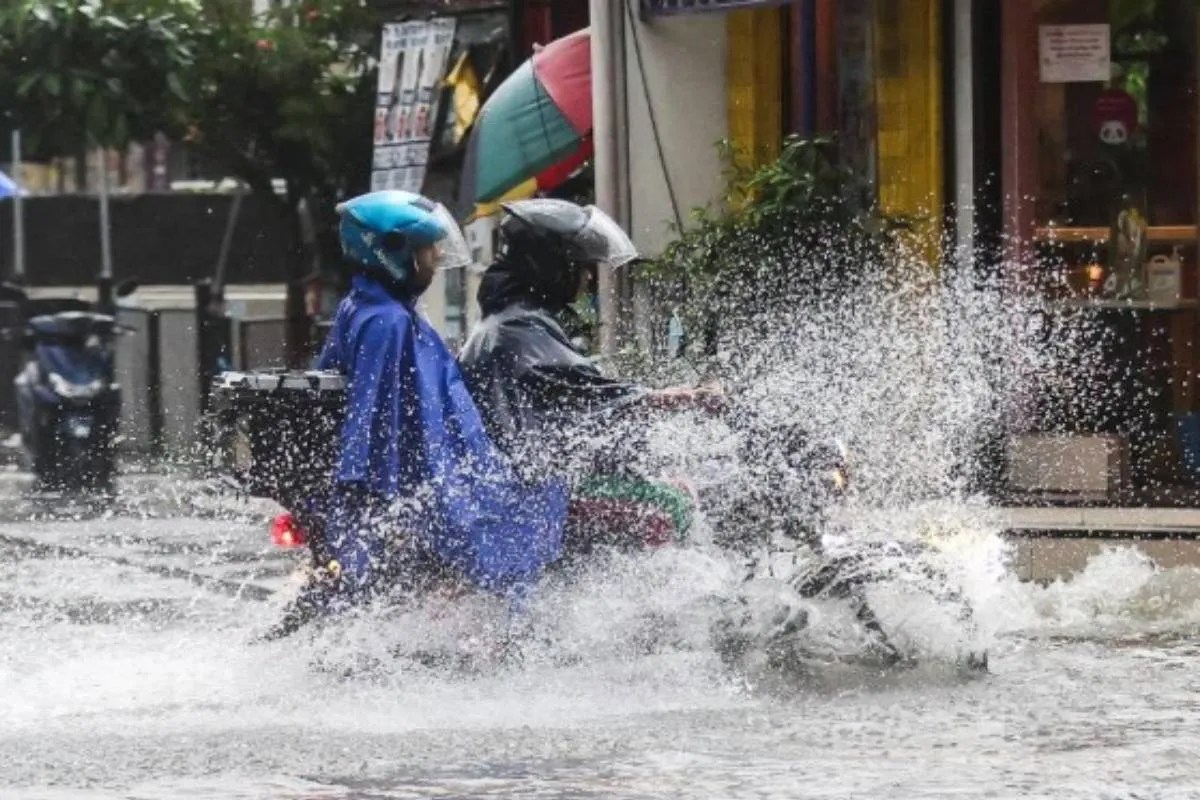
When Typhoon Bavi tore through the waters of East Asia, the immediate headlines focused on the stark contrast of numbers. On one hand, the Philippines suffered the tragic loss of at least 18 lives, with another dozen missing in the wake of torrential monsoonal rains exacerbated by the passing storm. On the other, China executed a massive preventative campaign, relocating over two million citizens to safer ground ahead of landfall. This stark disparity in casualties and displaced populations highlights a critical truth about modern meteorological crises. The destructive power of a tropical cyclone is not merely a product of its wind speed or barometric pressure, but a direct reflection of local infrastructure, resource allocation, and political will.
To understand why Typhoon Bavi was so devastating despite not making direct landfall in some of its worst-hit areas, one must look at the broader mechanics of regional weather systems. Typhoon Bavi (known in some regions as a severe tropical storm during its early stages) acted as a giant atmospheric pump. It intensified the southwest monsoon, dragging relentless, heavy rain directly over the vulnerable islands of the Philippines.
This dynamic showcases the true nature of modern climate hazards. It is rarely the eye of the storm itself that causes the most widespread economic and human ruin; it is the cascading failure of saturated hillsides and overwhelmed urban drainage systems hundreds of miles away.
The Structural Divide in Disaster Mitigation
Disaster response is often treated as a unified global science. In reality, it is split by a deep economic divide.
The contrast between the outcomes in the Philippines and China during the Bavi cycle reveals how different governmental structures handle the threat of extreme weather. In the Philippines, the response is historically decentralized. Local government units bear the primary responsibility for evacuations and immediate relief. When a storm system like Bavi stalls offshore and dumps continuous rain, these localized systems quickly reach their breaking points.
Funding is often stretched thin. Municipalities must choose between investing in long-term flood control or managing immediate poverty crises. The result is a reactive cycle. Communities wait for the rain, monitor the rising rivers, and attempt last-minute evacuations across flooded roads. By then, it is often too late for the most vulnerable.
In contrast, China utilizes a top-down, highly centralized mobilization model. When state meteorologists predict a high-impact event, the state machinery moves with military precision.
The relocation of two million people is an astonishing logistical feat. It requires empty schools, public sports arenas, and temporary shelters to be converted into housing units within hours. It demands the suspension of public transit, the halting of industrial production, and the deployment of thousands of civil servants to enforce evacuation orders. This level of intervention prevents high death tolls, but it comes with a massive economic price tag that few developing nations can afford to pay on a regular basis.
The Hidden Engine of Typhoon Bavi
What made Bavi particularly dangerous was its rapid intensification over the warm waters of the East China Sea.
Meteorologists track sea surface temperatures as the primary fuel source for these storms. Bavi encountered a pocket of exceptionally warm water, allowing its central pressure to drop quickly as it migrated north toward the Korean Peninsula.
[Warm Ocean Water] ---> [Rapid Low Pressure Drop] ---> [Increased Wind & Rain Capacity]
                                                                |
                                        +-----------------------+-----------------------+
                                        |                                               |
                       [Direct Coastline Landfall Impact]              [Indirect Monsoonal Drag]
This rapid intensification cycle is becoming the new baseline for Pacific storms. Forecasters are finding it increasingly difficult to predict exactly how strong a storm will be when it hits land. A system that looks like a manageable tropical storm on a Tuesday can explode into a major typhoon by Thursday morning.
This leaves disaster management teams with a shrinking window of time to make critical decisions. Do you order a multi-million-dollar evacuation based on a projection that might change, or do you wait for certainty and risk being caught unprepared?
The Infrastructure Gap
Heavy rainfall is only a disaster if the water has nowhere to go. In many rapidly developing urban centers across Southeast Asia, concrete has replaced natural wetlands.
- Soil Saturation: Continuous rain over several days completely saturates the topsoil, turning stable hillsides into ticking time bombs.
- Drainage Bottlenecks: Older drainage networks in major cities are designed for historic rain averages, not the extreme downpours of the current era.
- Deforestation: The loss of highland forest cover means water rushes directly into river systems without any natural buffering or absorption.
When these three factors combine, even a distant storm can trigger catastrophic flash floods and landslides. The 18 victims in the Philippines were not killed by high winds knocking down buildings; they were overwhelmed by rising rivers and mudslides that swept away homes built on marginal land.
The Real Cost of Mass Evacuation
While evacuations save lives, they are not a perfect cure-all. The economic disruption of moving millions of people is immense.
Factories close. Supply chains grind to a halt. Small business owners, who often live hand-to-mouth, lose crucial days of income. For many families in both rural and urban areas, leaving their homes means leaving behind their only assets, including livestock and personal belongings, which are often stolen or destroyed in the storm.
Furthermore, mass evacuations create their own public health challenges. Cramming thousands of displaced people into temporary shelters can lead to the rapid spread of infectious diseases. Managing clean water supply, sanitation, and food distribution in these temporary cities requires flawless execution. If the storm misses the evacuated zone, governments face public skepticism the next time they issue a warning. It is a delicate balance between safety and economic survival.
Rethinking Regional Response Strategies
The current strategy of treating every typhoon as an isolated emergency is failing. East Asian nations must transition from a model of reactive disaster relief to one of proactive, systemic resilience.
This requires a fundamental shift in how infrastructure is funded. International climate funds often focus on flashy, large-scale projects like sea walls or massive storm surges barriers. While these are necessary, the real battle is won or lost in the mundane details of local civil engineering. Clearing clogged urban waterways, restoring natural mangrove forests along coastlines, and strictly enforcing zoning laws that prevent housing construction in high-risk flood zones are far more effective ways to reduce casualties.
Weather forecasting agencies must also evolve. Providing wind speeds and rainfall estimates is no longer enough. Governments need "impact-based forecasting." Instead of telling a community that they will receive ten inches of rain, meteorologists must be able to tell them exactly which streets will flood, which hillsides are likely to slide, and which bridges will become impassable. This level of detail requires deep integration between meteorological data, geographic information systems, and local community knowledge.
Without this granular approach, the tragic pattern observed during Typhoon Bavi will continue to repeat. The wealthy regions will deploy immense resources to shield their populations, while poorer communities will continue to pay for atmospheric instability with their lives. The true measure of a nation's storm readiness is not how many people it can evacuate at the last minute, but how well its everyday infrastructure protects the citizens who have nowhere else to go.